
There’s something magical about flipping through an old-school cookbook, especially the ones that read like your grandma’s fever dream after watching The Price Is Right and drinking a Tab. These books weren’t just collections of recipes… they were chaotic lifestyle manuals.
Want to Save This Recipe?
Enter your email & I'll send it to your inbox. Plus, get great new recipes from me every week!
By submitting this form, you consent to receive emails from Blue's Best Life.
Gelatin ruled the food pyramid, every vegetable was “festive,” and casseroles held entire families together. So grab your imaginary apron, because we’re taking a joyride through some of the strangest, most wonderfully unhinged retro cookbooks ever printed.
The Jell-O Joys Cookbook

This book lived in every kitchen drawer like a badge of honor, and honestly, nothing prepared you for the wild gelatin landscapes inside. The photos always looked like someone trapped a full dinner in a transparent jelly time capsule, peas floating like confused astronauts, hot dogs shimmering in the abyss.
Every recipe insisted your dinner should wobble. There was always that one page where fruit, meat, and mayonnaise collided in a way that made your soul ask questions no one can answer. Yet everyone’s mom smiled proudly as she unmolded these wiggly wonders, as if she'd just presented a Fabergé egg.
Betty Crocker’s Dinner for Two
This one tried so hard to be romantic, but the recipes always felt like a blind date set up by someone who didn’t like you that much. The photos showed perfectly coiffed couples smiling lovingly over dishes that looked exhausted. There was a lot of paprika for no reason.
Everything came in miniature portions that somehow still felt heavier than emotional baggage. The chicken recipes always had the same beige vibe, like they all shared a single personality trait. But flipping through it still felt like sneaking into the grown-ups’ world, just with way more canned mushrooms.
The Better Homes & Gardens Meat Cookbook
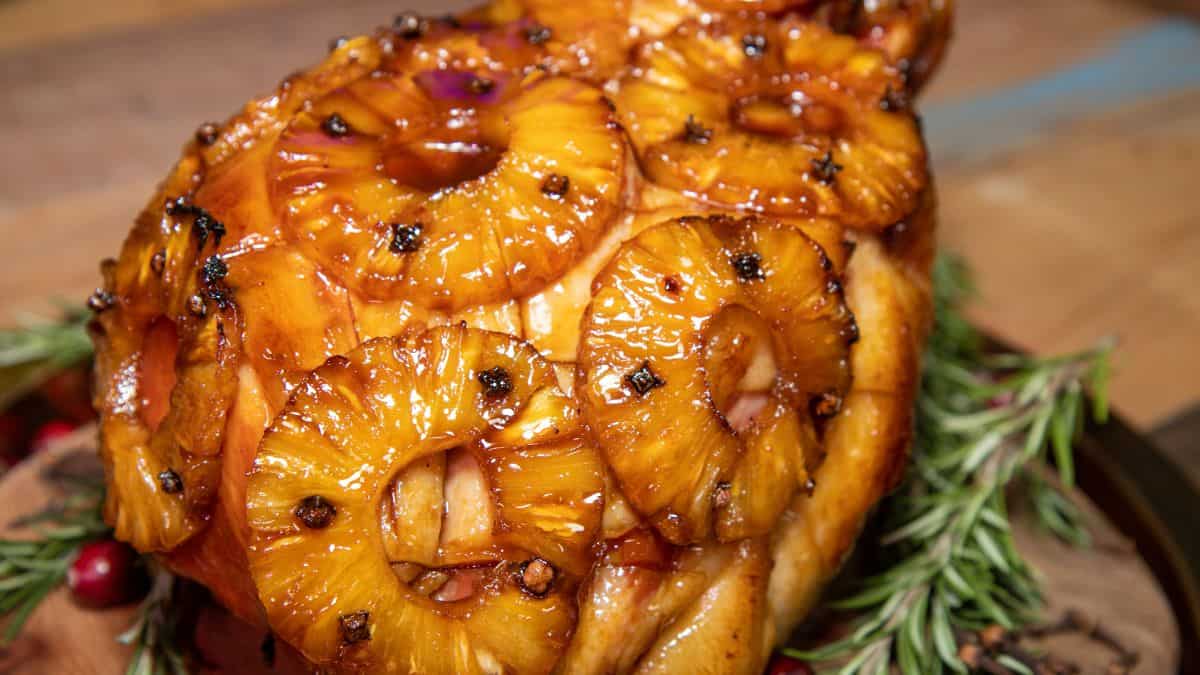
This was peak carnivore energy. Every page was a shrine to meat cooked in ways that defied logic, gravity, and modern health standards. You’d turn a page and suddenly be staring at a crown roast wearing pineapple rings like jewelry.
There were entire sections dedicated to “meatloaf artistry,” which is a phrase no one has whispered since 1974. The book wanted you to believe that any problem in life could be solved with a slab of beef arranged in a decorative circle. And the photos? Every dish glistened like it had been buffed with car wax.
The Good Housekeeping Salad Book
This wasn’t salads. This was performance art. Every so-called “salad” looked like it needed a legal disclaimer. One page had a lettuce boat filled with what looked like pink spackle. Another recipe insisted cottage cheese could be “whimsical.” And the word “congealed” popped up way too often for comfort.
It was the golden age of salads that didn’t include a single fresh vegetable, unless you count olives stuffed with things no olive asked for. Still, the book had a lot of confidence, every dish smiling through its own identity crisis.
Sunset Magazine’s Outdoor Cookbook

If this book could talk, it would brag about knowing how to pitch a tent in under three minutes. Every recipe felt like it came from someone who wore matching safari outfits with their spouse.
There were full-page spreads dedicated to cooking in the “great outdoors,” even though half the dishes required equipment no one would ever bring on a camping trip, like a Dutch oven the size of a Honda Civic. And of course, everything was described as “hearty,” even if it was just a grilled peach. The vibe was very colonial explorer energy, but make it dinner.
The Campbell’s Creative Cooking with Soup Book
The hero, the legend, the sodium. This cookbook believed that condensed soup was a personality trait. Every recipe proudly started with “Open one can,” like that alone was an act of bravery. There were casseroles stacked on top of casseroles, dishes where chicken swam in what looked like beige lava, and sides that doubled as structural materials.
The photos always captured that iconic glossy sheen, the unofficial Campbell’s glow. It was chaotic comfort food at its peak, and honestly, an entire generation was held together with Cream of Mushroom.
Retro cookbooks walked so modern food blogs could run, preferably away from congealed salads and gelatinized ham towers. Something is charming about the confidence these books had. They didn’t question a single thing they printed. And maybe that’s why we still flip through them: not for the recipes, but for the pure, nostalgic chaos.
Leave a Reply