
Sustainability begins in the kitchen, and adopting a waste-free approach to cooking is one of the most effective ways to contribute to environmental health while saving money. Each year, vast amounts of food are discarded, leading to significant ecological damage and economic loss.
Want to Save This Recipe?
Enter your email & I'll send it to your inbox. Plus, get great new recipes from me every week!
By submitting this form, you consent to receive emails from Blue's Best Life.
By mastering the art of maximizing your ingredients and reducing waste, you can make a meaningful impact on your carbon footprint. Cooking sustainably is not just about minimizing trash; it’s about honoring the resources that contribute to our meals. Here are 16 actionable strategies to help you cook sustainably and reduce food waste at home.
Use Every Part of the Vegetable

Many vegetable parts we typically discard are entirely edible. Carrot tops can be blended into pesto, broccoli stems can be sliced for stir-fries, and potato peels can be baked into crispy snacks.
Stems, leaves, and peels are often nutrient-rich, making them a healthy addition to your meals. If you can’t use them right away, store them in the freezer to make vegetable stock later. This method maximizes your food use and minimizes waste in the kitchen.
Buy Only What You Need

While buying in bulk may seem economical, it can lead to waste if you can’t consume everything before it spoils. Opt for smaller quantities of perishable items like fruits, vegetables, dairy, and bread.
For bulk items such as grains or nuts, consider visiting stores that allow you to purchase only what you need. This approach helps reduce waste and keeps your pantry organized. Always make a shopping list and stick to it to avoid impulse buys that may go unused.
Make Homemade Stock

Vegetable scraps, meat bones, and herb stems are excellent for crafting homemade stock. Save these items in a freezer bag until you have enough to simmer into a flavorful broth.
Homemade stock is versatile and can be used in soups, sauces, and grains. It’s a fantastic way to utilize scraps that would otherwise end up in the trash, and it’s healthier and more cost-effective than store-bought alternatives.
Store Food Properly
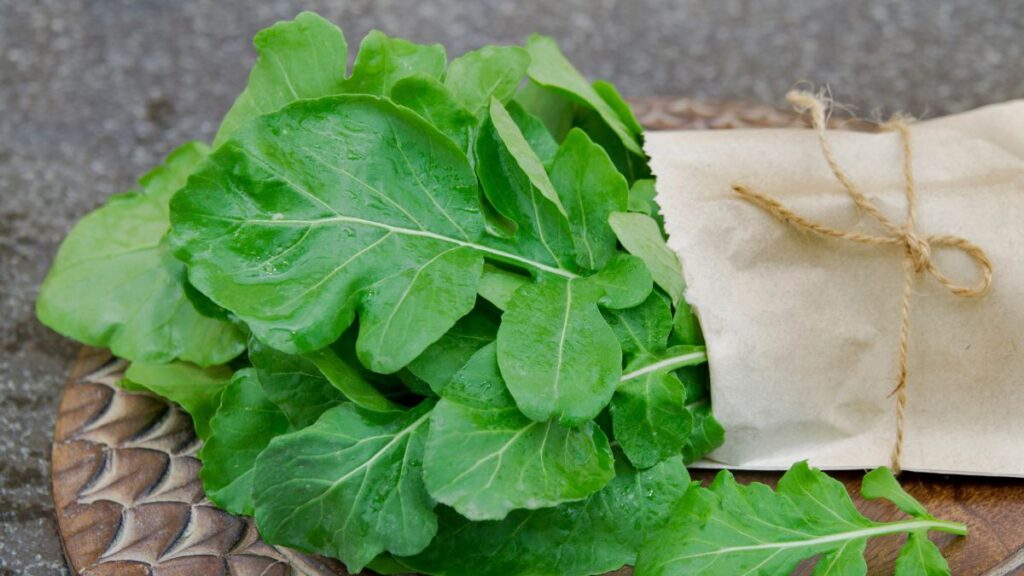
Proper food storage can greatly extend the shelf life of your groceries. For instance, store leafy greens wrapped in a damp paper towel to prevent wilting, and keep onions and potatoes in a cool, dark area.
Use airtight containers for dry goods to maintain freshness and deter pests. Label leftovers with dates to remind you when they should be consumed. Understanding how to store different foods can save you money and minimize spoilage.
Plan Your Meals

Creating a meal plan is one of the easiest ways to cut down on food waste. By outlining your meals for the week, you can shop intentionally and avoid purchasing items that will go unused. Aim for recipes that use overlapping ingredients to ensure everything is utilized.
Before shopping, take stock of what you already have in your pantry and refrigerator. This practice helps prevent duplicate purchases and ensures older items are prioritized. A well-thought-out meal plan can save you money and streamline your cooking process.
Get Creative With Leftovers

Leftovers can be exciting rather than mundane. Transform last night’s roasted vegetables into a hearty soup, or whip up fried rice with leftover grains. Repurposing food keeps meals interesting and reduces waste.
If you have small amounts of different ingredients, consider combining them into a stir-fry or salad. Freezing leftovers is also a smart option if you can’t eat them right away. Think of leftovers as ingredients rather than waste.
Embrace “Ugly” Produce
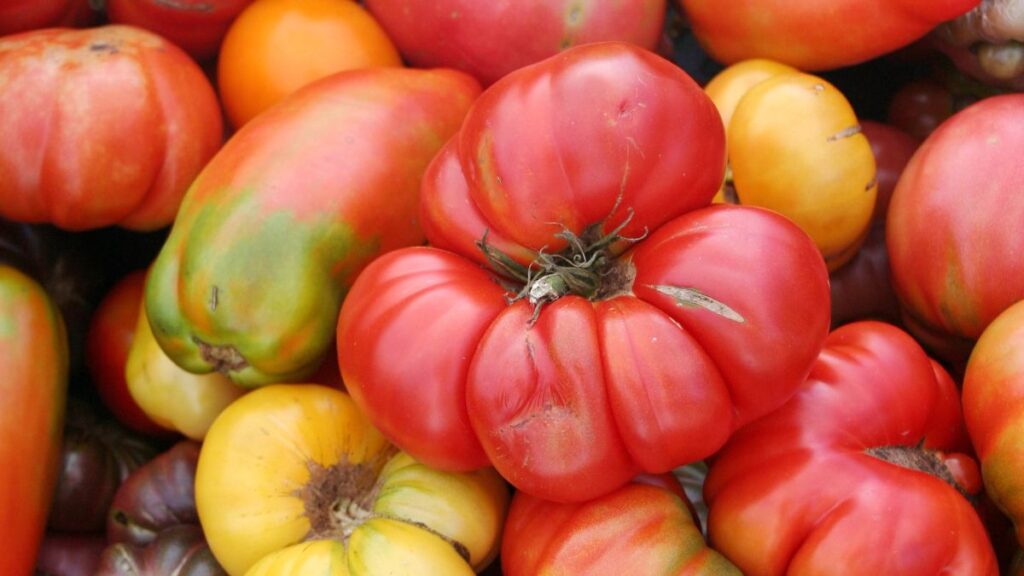
Many fruits and vegetables are discarded simply because they don’t look perfect, even though they taste just as good. Opt for produce with blemishes, odd shapes, or bruises—they often come at a lower price and can be used in cooked dishes.
For example, overripe bananas are perfect for baking or smoothies, while slightly soft tomatoes can be turned into sauces. By choosing imperfect produce, you help reduce waste and save money, benefiting both your wallet and the planet.
Compost Scraps You Can’t Use
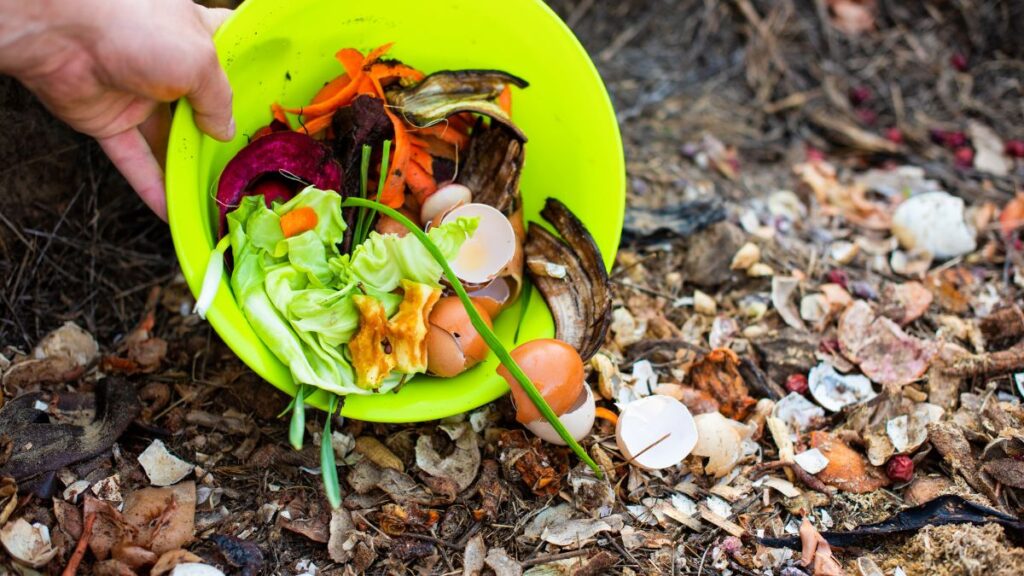
Not all food waste can be avoided, but you can compost scraps like coffee grounds, eggshells, and vegetable peels. Composting transforms organic waste into nutrient-rich soil suitable for gardening.
If you lack outdoor space, consider using countertop compost bins or participating in community composting programs. This way, even unavoidable waste can be put to good use, completing the sustainability cycle in your kitchen.
Freeze Surplus Food
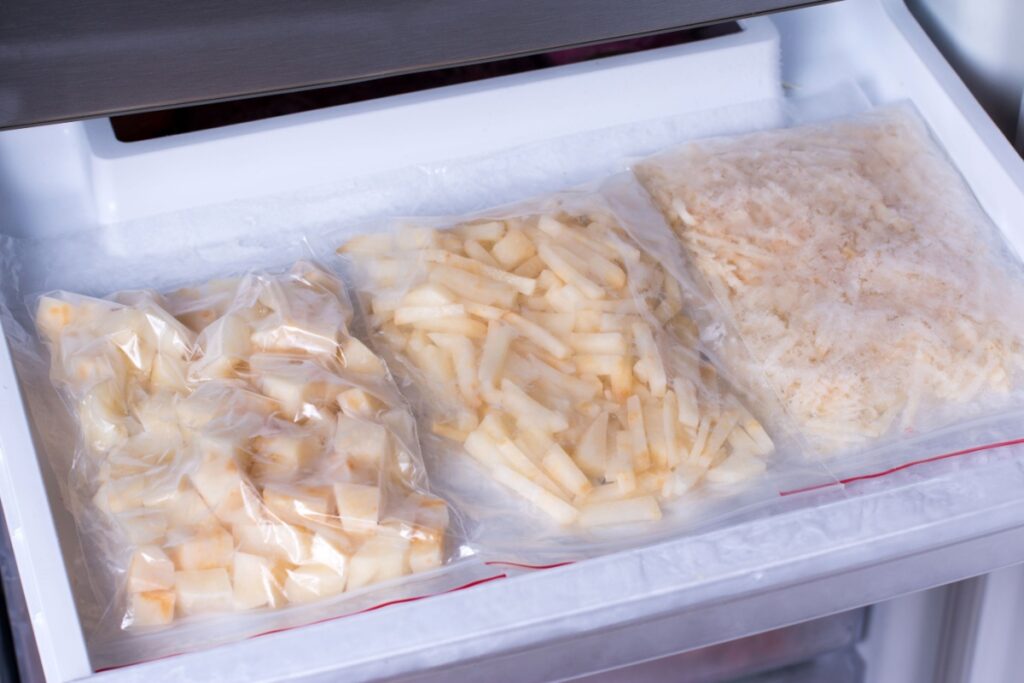
Freezing is an effective method for preserving food that’s nearing its expiration. Many items, including bread, berries, herbs, and meats, freeze well and can be used later. For instance, freeze leftover herbs in olive oil or chop vegetables and store them for soups and stews.
Be sure to label and date your frozen items to keep track of what you have. A well-stocked freezer can help you avoid unnecessary grocery trips.
Rethink Expiration Dates
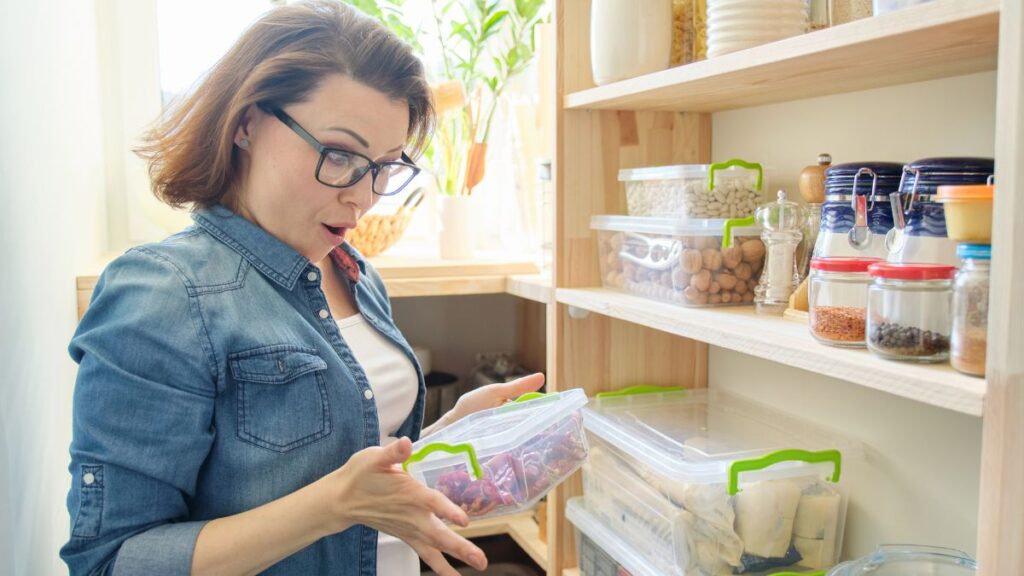
Expiration dates can often be misleading and contribute to unnecessary food waste. “Best by” or “sell by” dates are typically guidelines for peak quality, not safety. Trust your senses—smell, taste, and inspect food to determine its edibility.
Many items, such as canned goods and dry pasta, can last far beyond their printed dates. Understanding expiration labels can help you save money and reduce waste.
Preserve Seasonal Produce
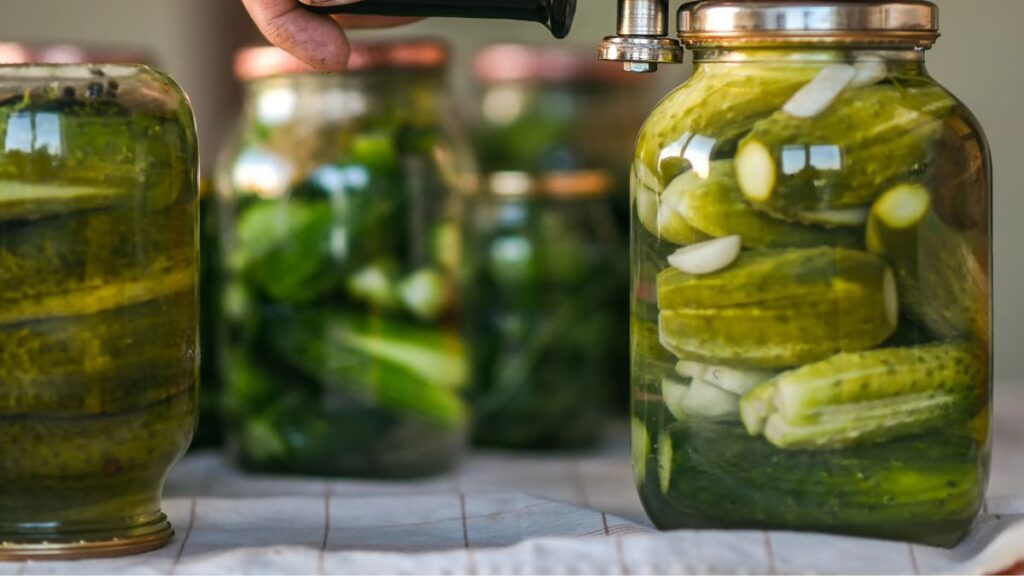
Preserving seasonal fruits and vegetables allows you to enjoy them year-round. Techniques like canning, pickling, and drying can extend the life of fresh produce.
For example, you can pickle cucumbers, dry apple slices, or can tomatoes for sauces. Preserving is not only a waste-free practice, but it’s also a fun and creative way to experiment in the kitchen, plus homemade preserves make wonderful gifts.
Cook in Batches

Batch cooking allows you to use up ingredients before they spoil while providing ready-to-eat meals throughout the week. Prepare large quantities of dishes like soups, stews, or casseroles and portion them into containers.
This approach saves time and reduces the temptation to order takeout, which often involves packaging waste. Freeze extra portions for future meals. Batch cooking is a practical strategy for staying organized and minimizing waste.
Avoid Single-Use Kitchen Products
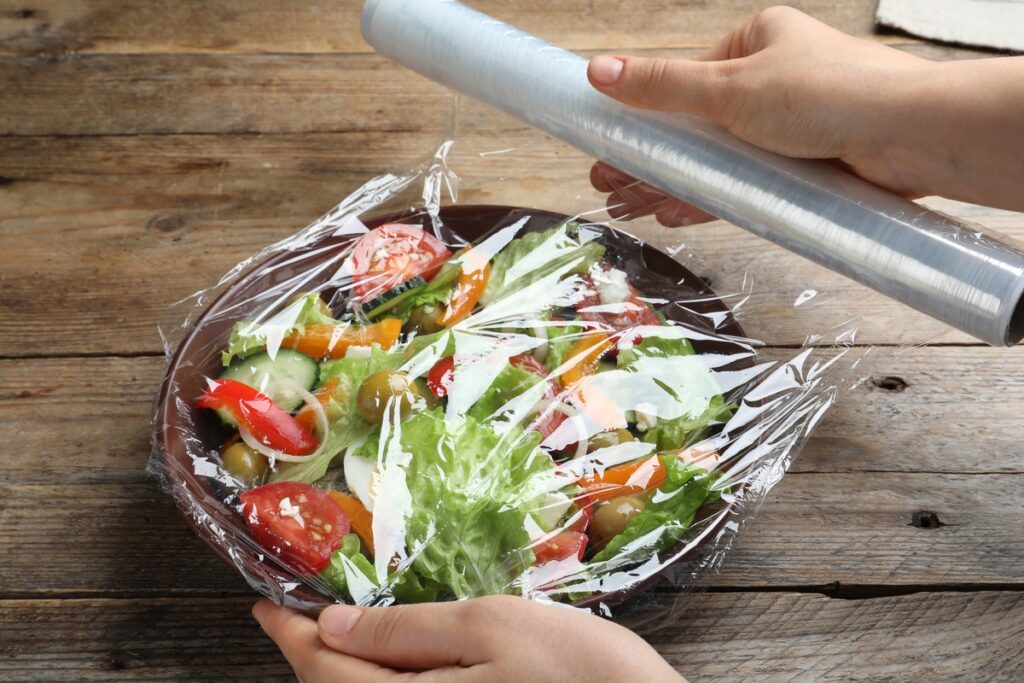
Single-use items like plastic wrap, paper towels, and disposable containers contribute to kitchen waste. Instead, invest in reusable alternatives such as beeswax wraps, cloth napkins, and glass storage containers.
Although these items may have a higher initial cost, they save money over time and are better for the environment. Small changes in daily habits can lead to significant improvements in sustainability.
Grow Your Own Herbs

Growing herbs at home not only reduces waste but also ensures you have fresh ingredients on hand. Herbs like basil, mint, and parsley can thrive in small pots on your windowsill.
This eliminates the need to buy large bunches that often go bad before you can use them. Simply clip what you need, and your plants will continue to grow. It’s a simple and sustainable way to enhance your cooking.
Share Excess Food

If you find yourself with more food than you can consume, consider sharing it with friends, family, or neighbors. Many communities have food-sharing programs or apps that connect people with surplus food.
Donating non-perishable items to food banks is another great way to reduce waste. Sharing food not only builds connections within your community but also ensures that nothing goes to waste. It’s a generous and sustainable practice that benefits everyone involved.
Evaluate Your Waste Regularly

Take time to evaluate what you’re throwing away and why. Are there specific ingredients that frequently go bad before you can use them? Use this insight to adjust your shopping and cooking habits accordingly.
Keeping a “waste log” can help you identify patterns and areas for improvement. Being mindful of your waste will keep you committed to your sustainability goals and encourage you to make more conscious choices in the kitchen.
By adopting these practices, you can contribute to a more sustainable kitchen and reduce food waste, making a positive impact on both your finances and the environment. Happy cooking!
15 Budget-Friendly Foods to Stretch Your Paycheck

Living paycheck to paycheck can be challenging, especially when it comes to affording nutritious food on a tight budget. However, many affordable and nutrient-rich foods can help stretch your dollars without sacrificing your health.




Leave a Reply