
Throughout history, people have found creative ways to survive during tough times, especially when food is scarce or expensive. In various parts of the world, people rely on unexpected ingredients that might seem strange to us today.
Want to Save This Recipe?
Enter your email & I'll send it to your inbox. Plus, get great new recipes from me every week!
By submitting this form, you consent to receive emails from Blue's Best Life.
These foods were sometimes born out of necessity and reflect the resourcefulness of those who had to make do with limited resources. Some of these unusual ingredients were surprisingly nutritious, while others were the only available option. Let’s explore a collection of surprising foods that helped people survive during challenging periods.
Potato Peels

During the Great Depression, when whole potatoes were too valuable to waste, people turned to potato peels as cheap, accessible food. The peels were often fried, boiled, or even baked to make them palatable.
Although less flavorful than the full potato, the peels provided fiber and a small amount of nutrients. They could be seasoned with salt or whatever spices were available to add a bit more flavor. Potato peel dishes became a common sight in struggling households.
Acorn Flour

Acorns, found in abundance from oak trees, were used as a substitute for traditional flours. To make acorn flour, people would grind the nuts and rinse them repeatedly to remove bitterness before drying and grinding them.
This flour was often used in bread, pancakes, and porridge. Though acorns are usually bitter on their own, with proper preparation, they could be a decent source of nutrients. Acorn flour became a staple for communities with access to oak trees.
Grass Soup
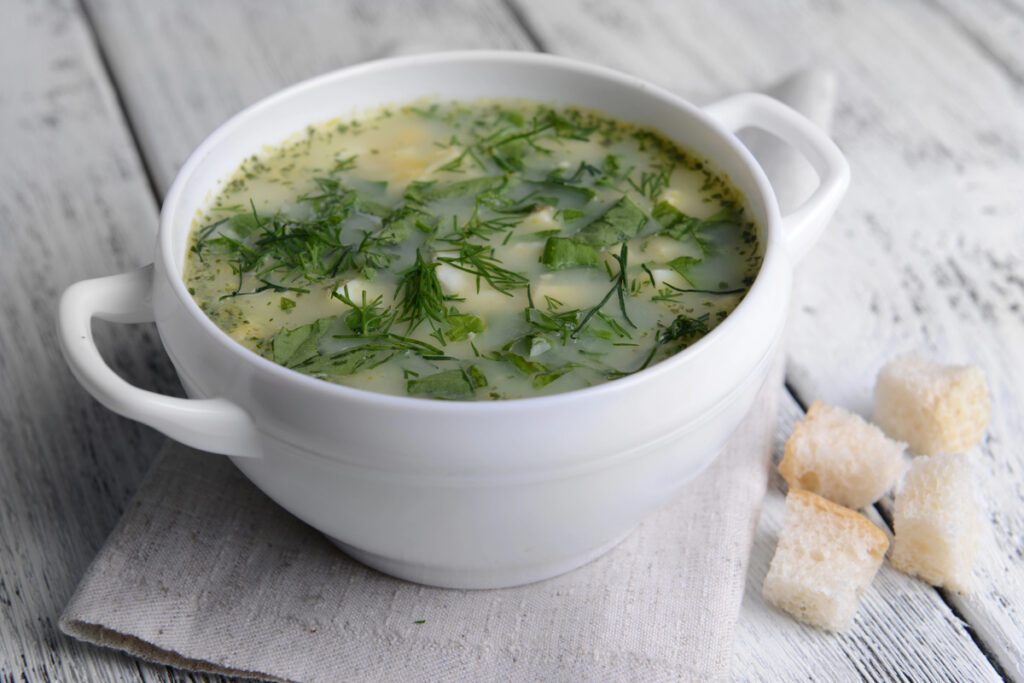
In times of extreme scarcity, people even turned to grass to make soup. While grass is tough to digest, boiling it in water with salt or other available flavorings made it somewhat consumable.
Though grass doesn’t provide many nutrients, it fills empty stomachs. Some people would add edible wild herbs or roots to enhance the flavor and nutritional value. Grass soup symbolized the desperation and ingenuity people faced when other food sources were completely exhausted.
Bone Marrow
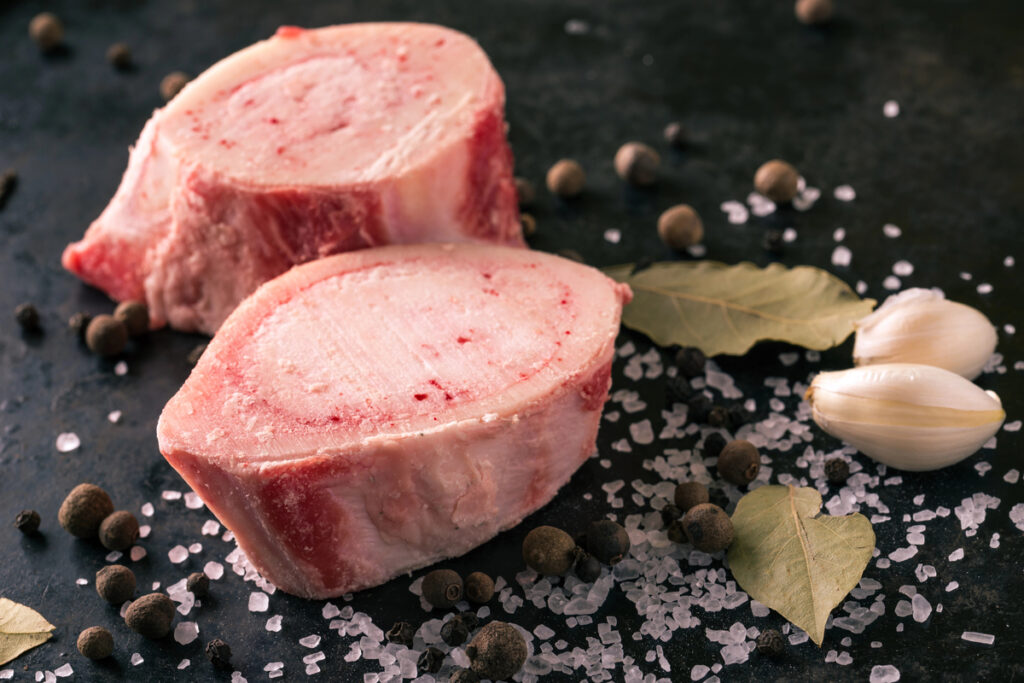
Bone marrow was once a common food during difficult periods because it was inexpensive and nutritious. After cooking meat, people would boil the bones to extract the rich, fatty marrow.
This nutritious broth could be used as a base for soups or sauces. Bone marrow is high in fat and calories, which was especially valuable when food was scarce. Many people developed a taste for this rich and hearty ingredient.
Dandelion Greens

During food shortages, dandelion greens became a popular wild food that people could easily forage. Rich in vitamins and minerals, the leaves were often added to salads or cooked like spinach.
Dandelions grow in most regions and are easy to find for free. Although slightly bitter, they were nutritious and filling. Many families appreciated the availability of these free greens during difficult times.
Corn Husk Mush
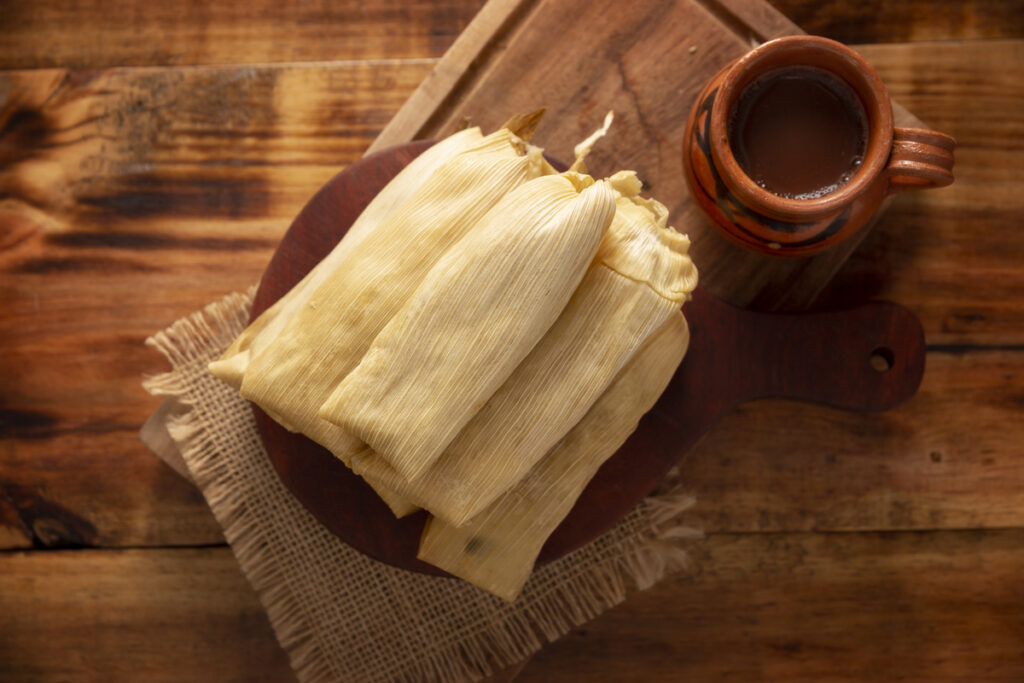
Corn husks, typically discarded as waste, were sometimes boiled and ground to create a type of mush. This dish was popular during times when even corn kernels were scarce. Though not as nutritious as the kernel, the husk provided some fiber and bulk.
People would cook and flavor the mush to make it more palatable, and it was sometimes eaten as a porridge. Corn husk mush became a creative way to use every part of the crop.
Rat Meat

In some periods of extreme scarcity, people resorted to eating rats as a source of protein. This was especially common during wars when other sources of meat were unavailable. While it might seem off-putting, rat meat provided essential nutrients and was easy to catch in urban areas. People prepared rat meat in various ways, from roasting to stewing. Although controversial, rat meat helped many survive through desperate times.
Cabbage Stew
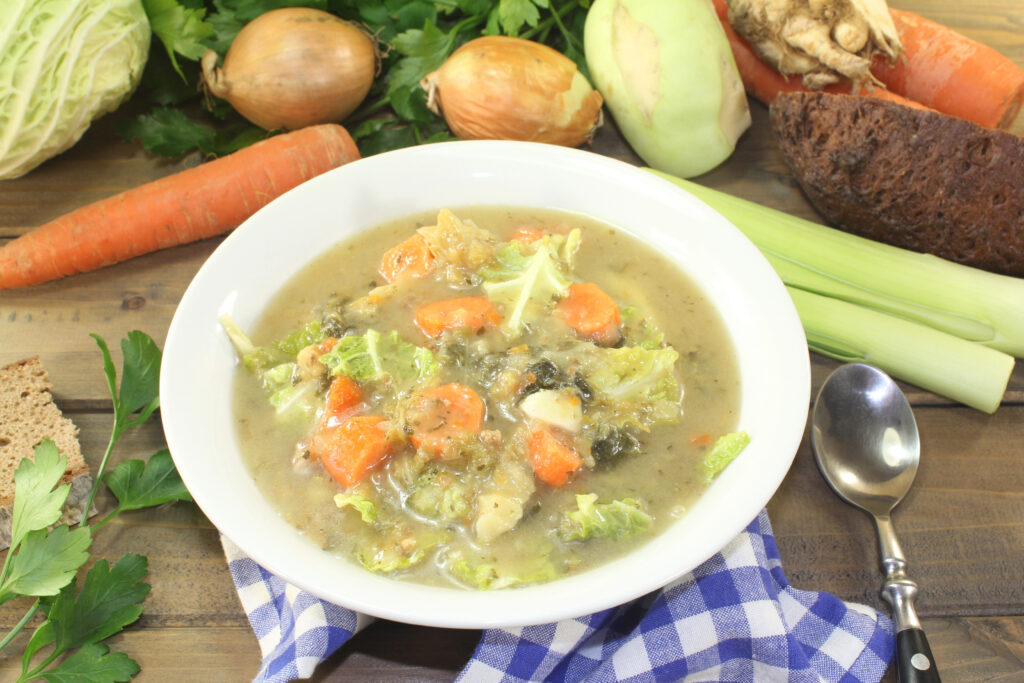
Cabbage was a widely available vegetable that could be stretched to feed many people, especially during difficult seasons. People often made cabbage stew by boiling it with water and any other available vegetables or spices.
Though simple, the stew was filling and provided essential nutrients. Cabbage is also easy to grow, making it a staple for self-sustaining families. This hearty stew became a comfort food during times of food insecurity.
Squirrel

Squirrels were a common source of meat during hard times, particularly in rural areas where they were abundant. Squirrel meat is lean and slightly gamey but provides a valuable source of protein.
People often cooked squirrels in stews or roasted them over a fire. Hunting squirrels was also a practical way to feed families when larger animals weren’t available. This small game meat was essential for survival in many communities.
Lard Sandwiches

When butter or other spreads were unavailable, people turned to lard as a substitute. Lard sandwiches, made by spreading pig fat on bread, were high in calories and provided some energy.
Though it might sound strange now, these sandwiches were a cheap and easy way to stave off hunger. In many cases, the lard would be lightly salted or flavored to make it more appetizing. This high-calorie snack was a necessity for many during hard times.
Fried Porridge
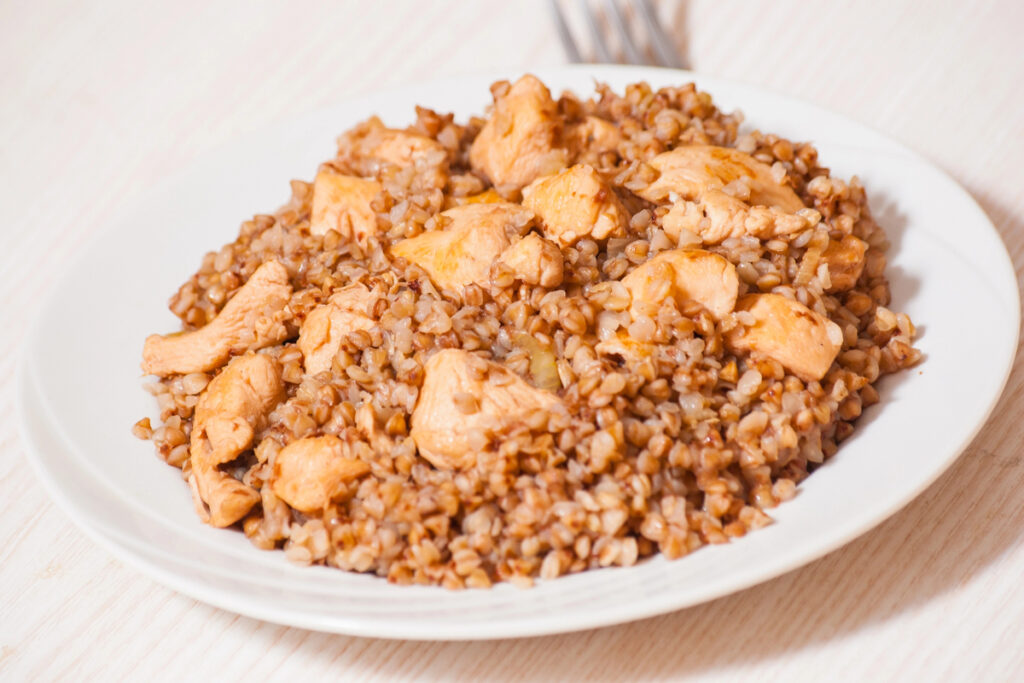
Leftover porridge from breakfast would often be fried up later in the day to avoid wasting food. This fried version had a crunchy exterior and soft interior, making it a filling snack. People used minimal oil or fat to fry the porridge, creating a new meal from the same ingredients. The fried porridge could be enjoyed with a bit of salt or sugar, depending on what was available. This resourceful approach allowed families to make meals last longer.
Oatcakes

Oats were affordable and could be made into simple cakes during food shortages. With only a few ingredients, oatcakes were easy to make and provided some sustenance. These cakes were often plain but could be flavored with salt or sugar if available.
Oatcakes were durable and could last a few days, making them practical for families without steady food supplies. For many, oatcakes represented a reliable source of energy in challenging times.
Tulip Bulbs
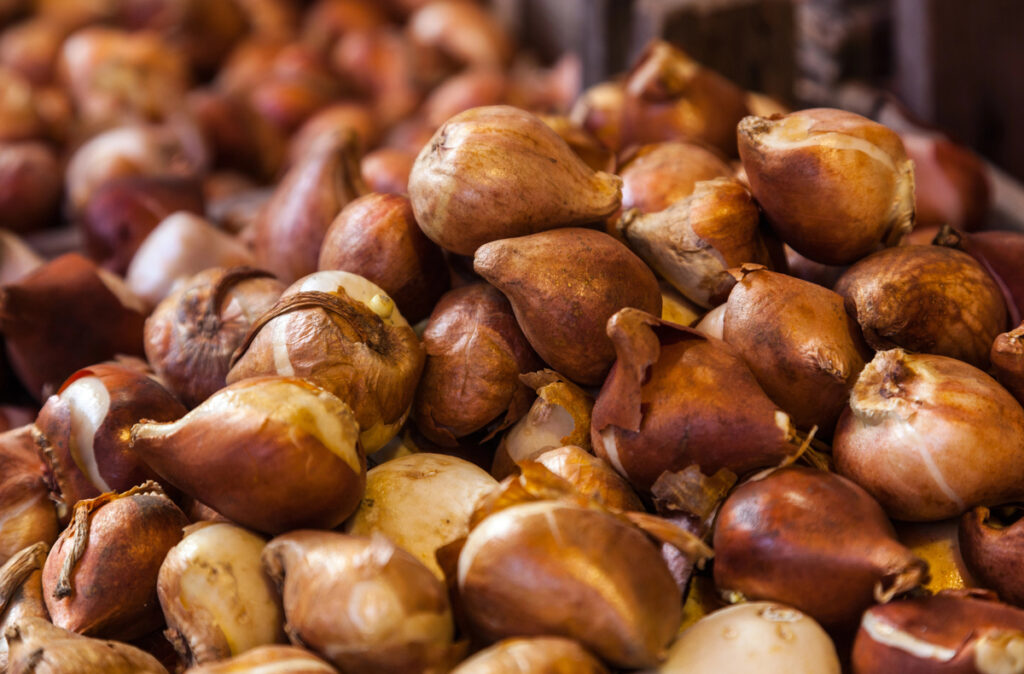
During World War II, people in some countries resorted to eating tulip bulbs when other food was scarce. Though mildly toxic when raw, tulip bulbs could be boiled and prepared safely with proper techniques.
They were often used to make soups or stews, filling but not particularly tasty. The bulbs provided some energy and were better than going hungry. Many people relied on tulips to survive until better food sources were available.
Fish Heads
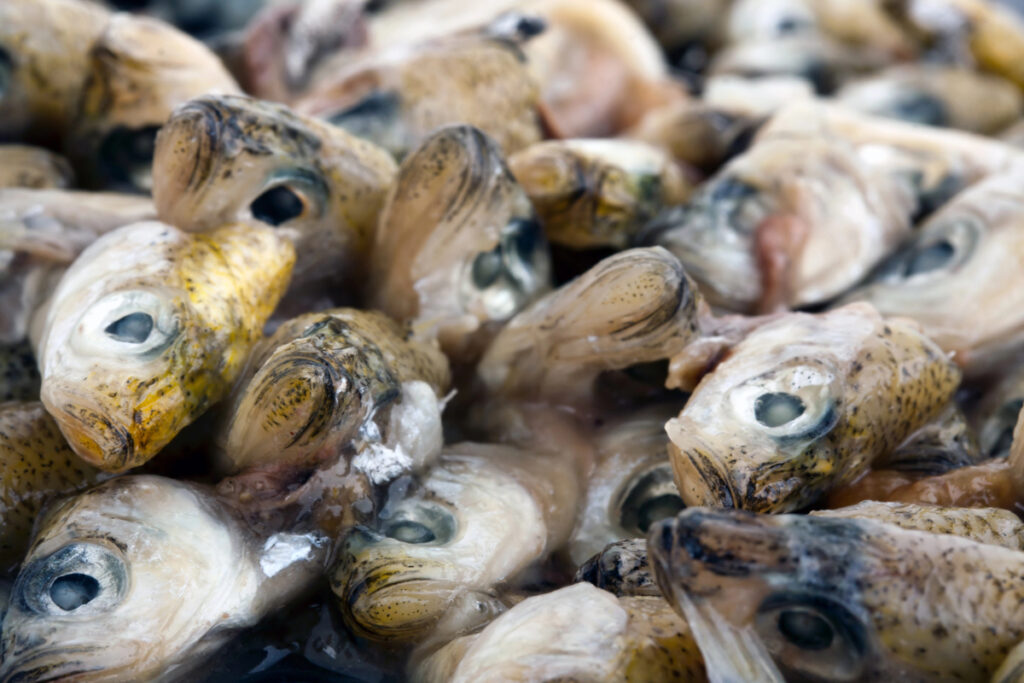
Fish heads, usually discarded by fishmongers, became a valuable food source in lean times. People used fish heads to make soups and broths, as they contained nutritious fats and collagen.
Boiling fish heads created a flavorful base that could be mixed with vegetables or grains. Though not as desirable as the fish fillet, heads provided essential nutrients and were often available cheaply or for free. Fish head soup became a staple for many struggling families.
Tree Bark Bread
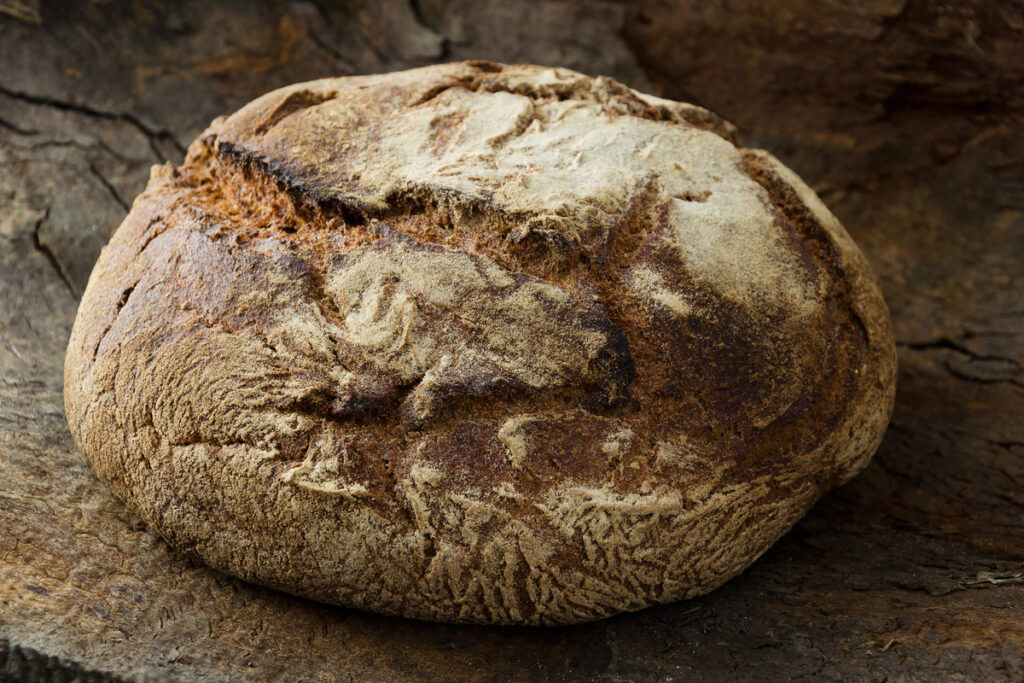
In extreme circumstances, people have turned to tree bark, especially from pine trees, to create a form of bread. The inner layer of pine bark, known as cambium, is edible and can be dried, ground, and mixed with other ingredients.
Although it lacks much flavor, tree bark bread provides some carbohydrates and bulk to stave off hunger. This food was commonly used in regions with harsh winters where other resources were limited. Tree bark bread is a testament to human resilience in the face of extreme scarcity.
Leave a Reply