
Food poisoning is a common but serious illness caused by contaminated food or drinks. It can lead to symptoms like nausea, vomiting, diarrhea, and stomach cramps. Many things can increase your risk of getting sick from food, some of which might surprise you.
Want to Save This Recipe?
Enter your email & I'll send it to your inbox. Plus, get great new recipes from me every week!
By submitting this form, you consent to receive emails from Blue's Best Life.
Some foods and habits expose you to harmful bacteria, viruses, and parasites. Here are the top reasons you may experience food poisoning and how to avoid it.
Eating Undercooked Meat

Meat not cooked thoroughly can contain harmful bacteria like Salmonella or E. coli. These bacteria can survive if the meat is not heated to the right temperature. Eating raw or undercooked chicken, beef, or pork puts you at risk of foodborne illness.
Consuming Raw Seafood

Raw seafood, like sushi or oysters, can carry dangerous bacteria and parasites. These germs can multiply quickly if the seafood is not fresh or stored correctly. Eating contaminated seafood can lead to severe stomach infections. Shellfish, in particular, can be risky if harvested from polluted waters. Be sure to buy seafood from trusted sources and check for freshness before consuming it.
Eating Unwashed Fruits and Vegetables
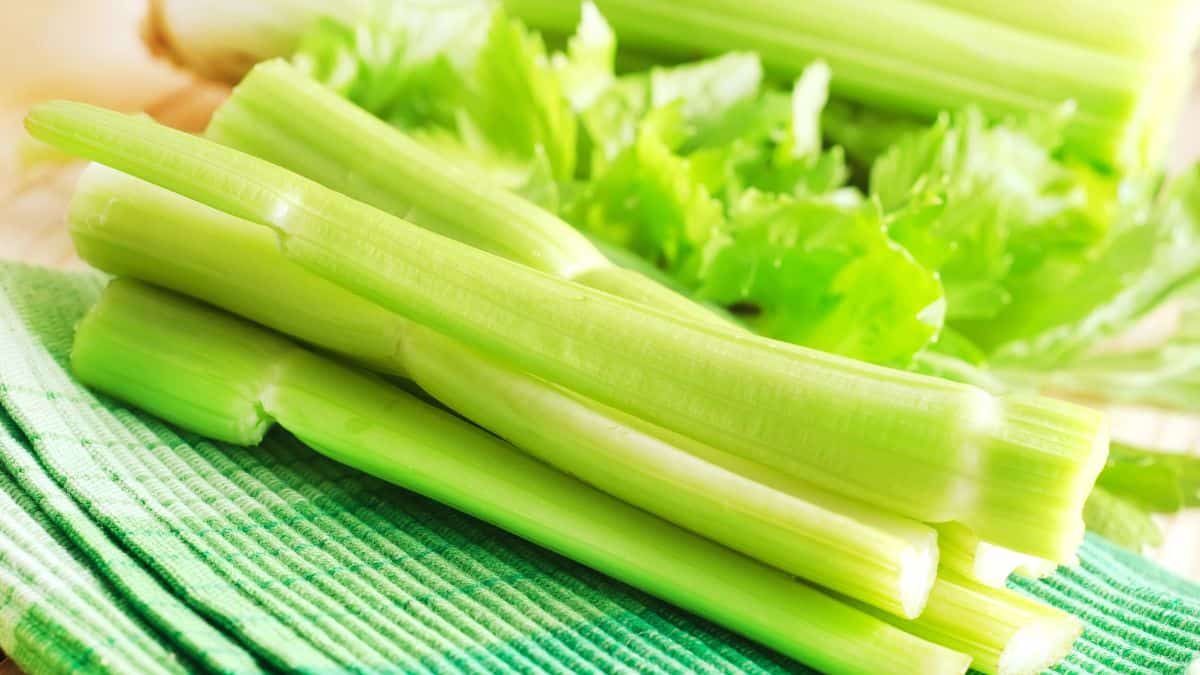
Fruits and vegetables can have pesticides, dirt, or bacteria on their skin. If not washed properly, these contaminants can cause food poisoning. Even organic produce can carry harmful germs from the soil. Washing fruits and vegetables under running water can help remove these contaminants. Peeling or scrubbing produce can provide extra protection against harmful bacteria.
Leaving Food Out Too Long

Bacteria multiply rapidly when food sits at room temperature for too long. Perishable foods like dairy, meat, and cooked dishes should not be left out for more than two hours. In hot weather, this time reduces to just one hour, increasing the risk of contamination. Refrigerating leftovers quickly can prevent bacterial growth and keep food safe. Always store food properly to minimize the risk of foodborne illness.
Cross-Contamination in the Kitchen
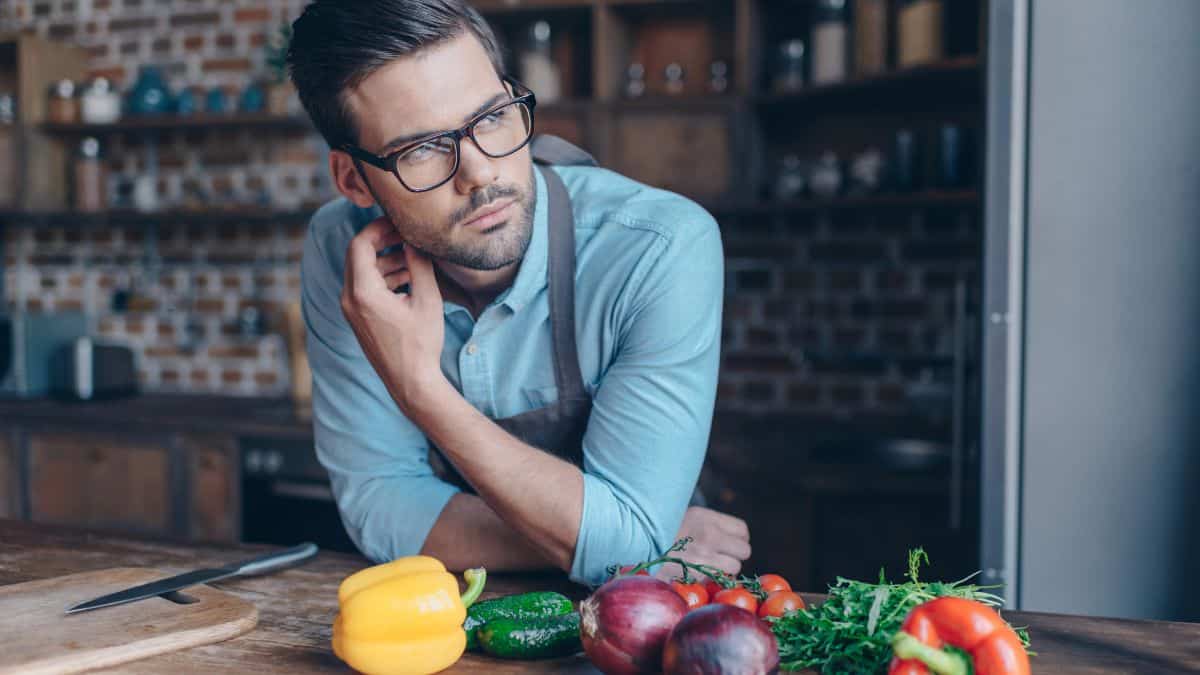
Using the same cutting board or knife for raw meat and fresh vegetables can spread bacteria. This can cause cross-contamination, making other foods unsafe to eat. Keeping separate utensils and washing your hands between food handling is essential. It is also important to clean kitchen surfaces regularly with disinfectants. Maintaining proper hygiene in the kitchen helps reduce the risk of food poisoning.
Drinking Contaminated Water

Water can contain harmful bacteria, viruses, or parasites that cause illness. Drinking unfiltered or untreated water can expose you to dangerous microbes. Contaminated ice cubes can also carry the same risks as unclean drinking water. Boiling or filtering your water can help eliminate harmful microorganisms. Always drink clean, filtered, or boiled water to stay safe and prevent infections.
Eating Expired Food

Food past its expiration date can develop mold, bacteria, or toxins. Even if the food looks or smells fine, eating may still be unsafe. Consuming expired products can lead to stomach problems or food poisoning. Checking expiration dates and adequately storing food can help prevent illness. When in doubt, it is always safer to throw food away than risk getting sick.
Improperly Storing Food
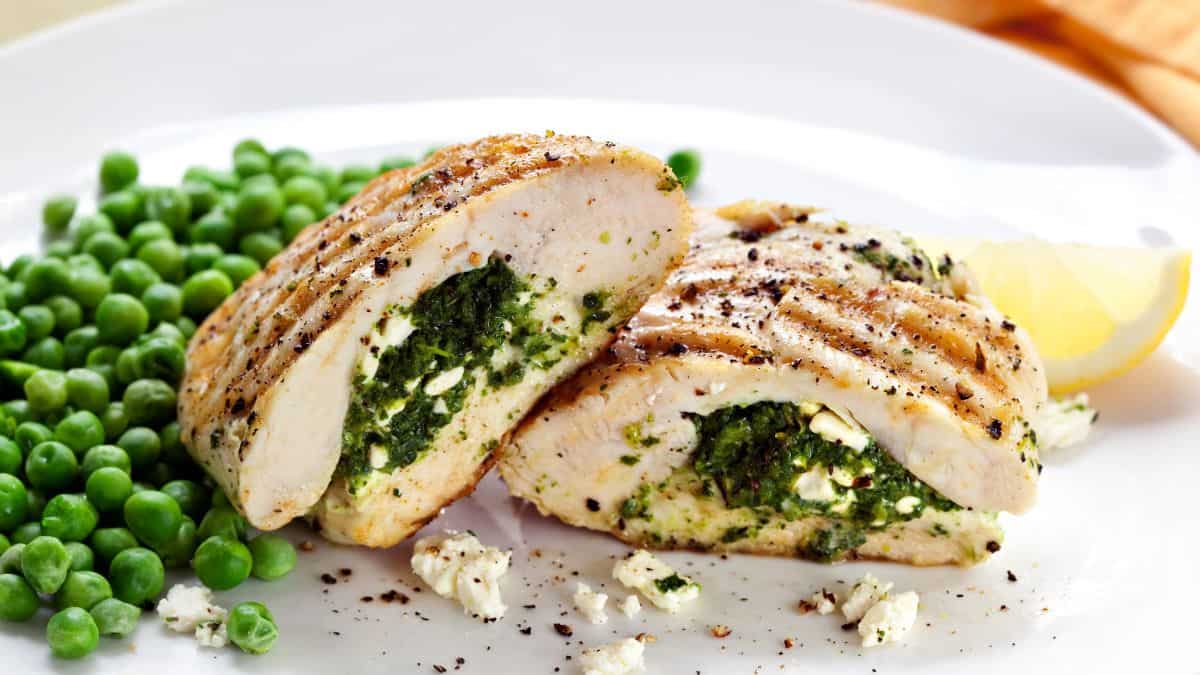
Storing food at the wrong temperature can encourage bacterial growth. To stay fresh, perishable foods should be kept in the refrigerator or freezer. Leaving dairy, meat, or leftovers in warm areas can make them unsafe to eat. Following proper storage guidelines is key to reducing foodborne illness. Make sure your refrigerator is set to the right temperature to prevent spoilage.
Not Washing Hands Before Eating
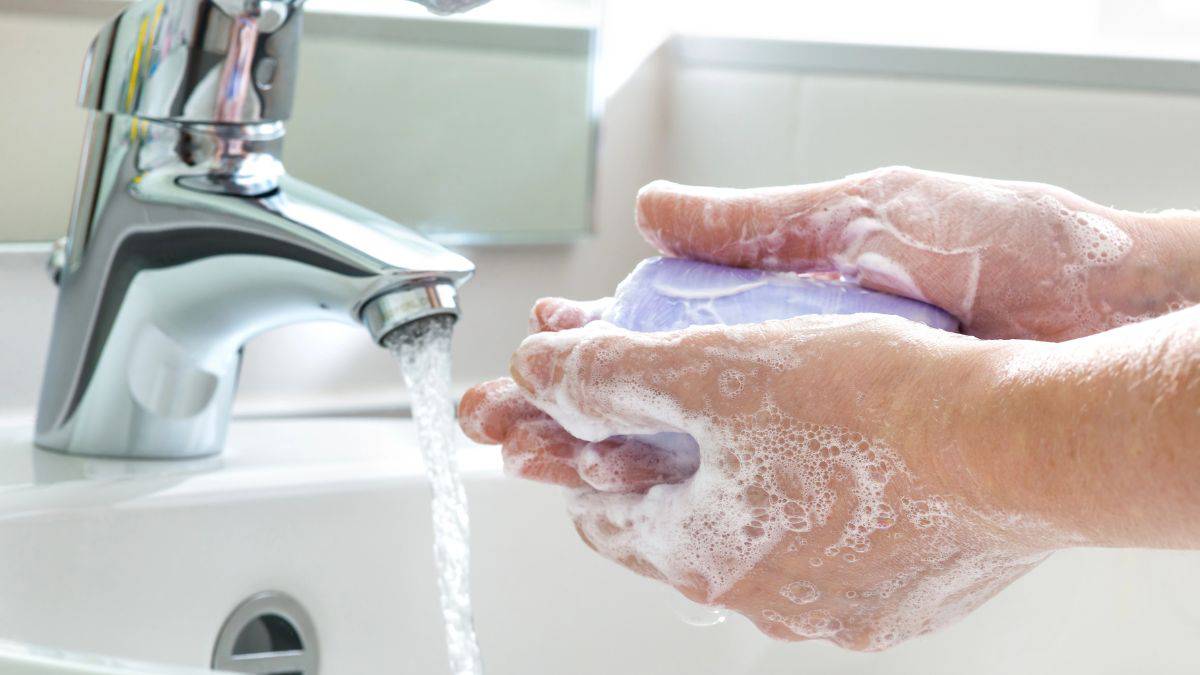
Your hands come into contact with many germs throughout the day. If you eat without washing your hands, you might transfer bacteria into your mouth. This can lead to stomach infections and other health problems. Washing your hands with soap and water for at least 20 seconds helps remove harmful germs. Always make handwashing a habit before eating or preparing food.
Eating from Dirty Surfaces
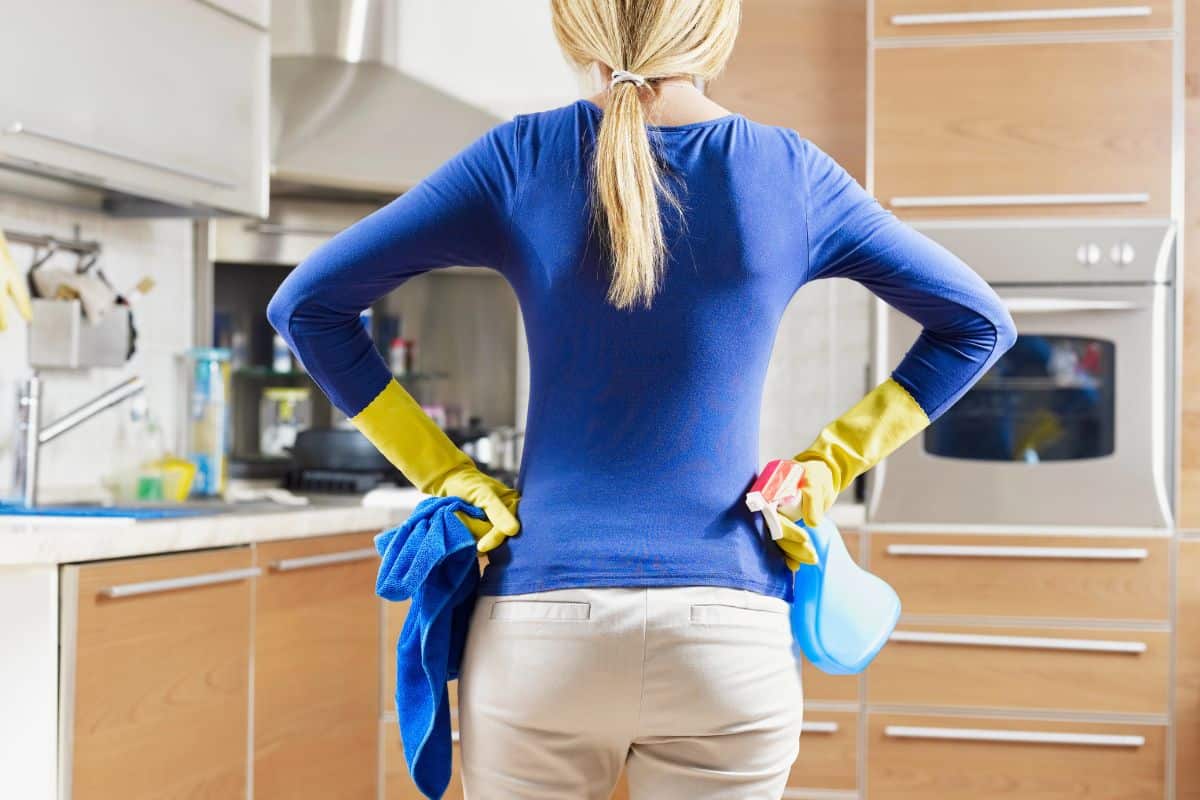
Dirty tables, countertops, and plates can carry bacteria that contaminate food. If food touches unclean surfaces, it can become unsafe to eat. Cleaning and sanitizing food preparation areas before use is necessary. Using clean dishware and utensils also helps prevent contamination. Keeping your dining and kitchen areas clean can reduce the risk of foodborne illnesses.
Using Contaminated Cooking Utensils
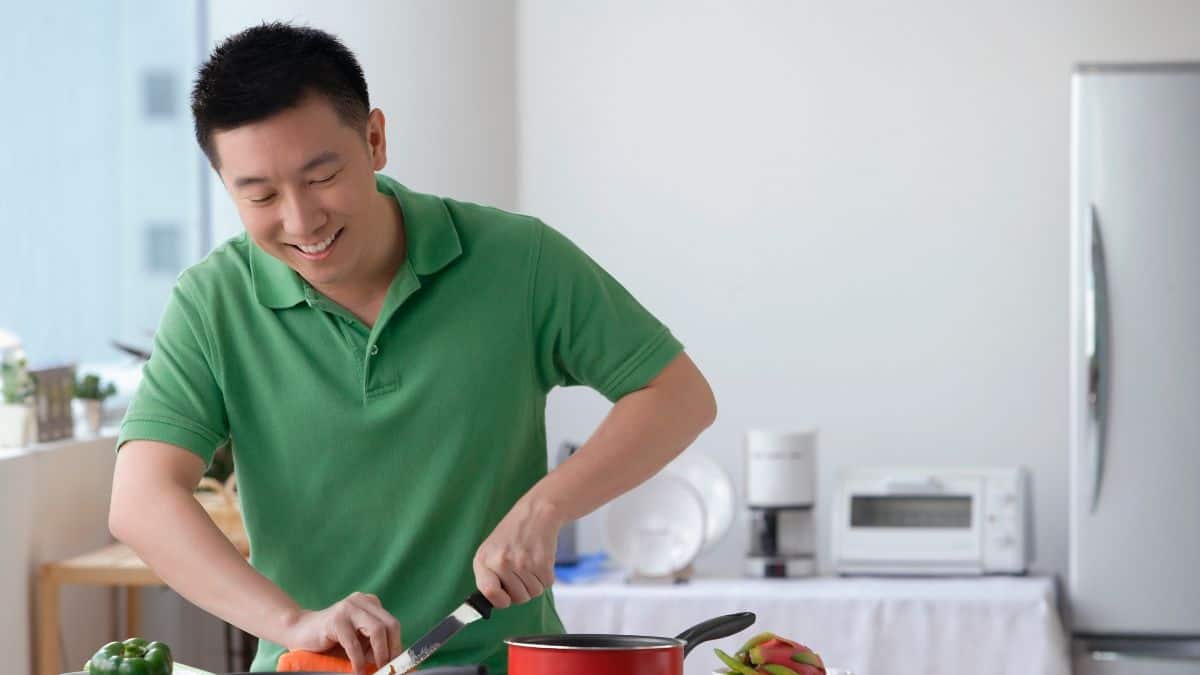
Knives, cutting boards, and cooking tools can harbor bacteria if improperly washed. Using the same utensils for raw and cooked food can spread germs. For kitchen hygiene, it is essential to wash utensils with hot, soapy water after each use. Keeping kitchen tools clean reduces the risk of food poisoning. Properly drying utensils before storage helps prevent bacteria growth.
Eating Undercooked Eggs
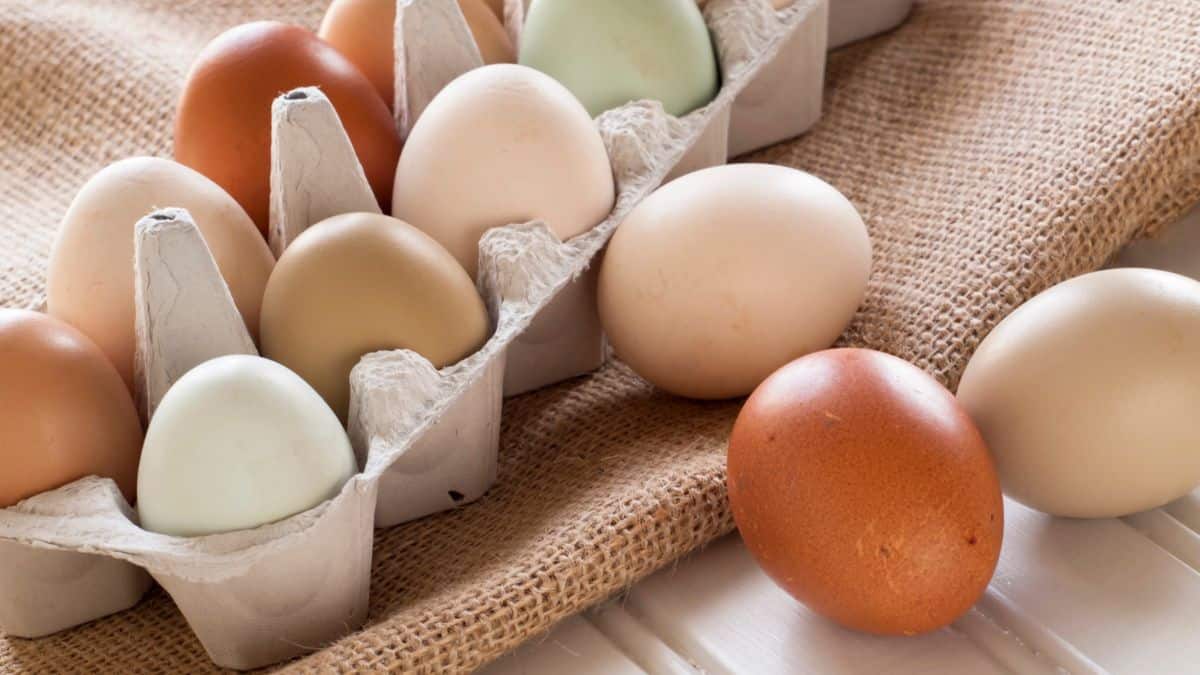
Raw or undercooked eggs can carry Salmonella, a bacteria that causes food poisoning. Foods like homemade mayonnaise, raw cookie dough, and runny eggs can be risky. Cooking eggs thoroughly kills harmful bacteria, reducing the risk of illness. To stay safe, avoid eating raw or partially cooked eggs. Pasteurized eggs are a safer alternative for recipes that require raw eggs.
Drinking Unpasteurized Milk and Juice
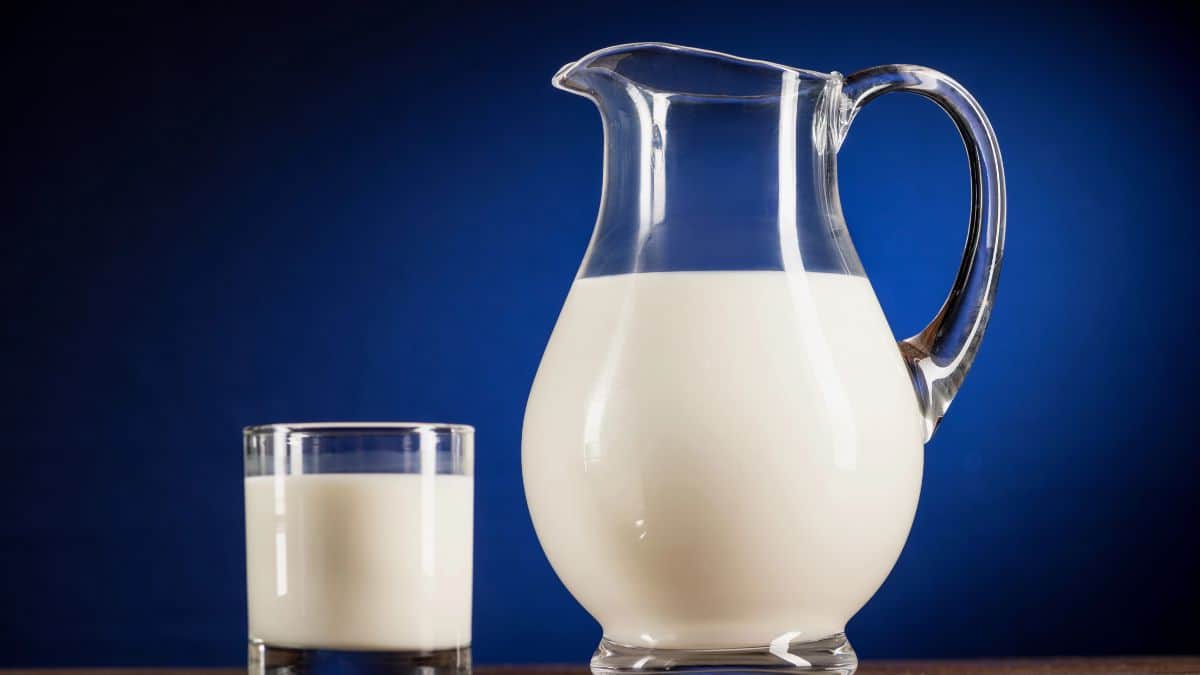
Raw milk and unpasteurized juices may contain harmful bacteria. These products are not treated to kill germs, making them risky to drink. Consuming unpasteurized beverages can lead to serious infections. Always choose pasteurized milk and juices to avoid illness. Checking product labels before purchasing can help ensure you are selecting safe options.
Ignoring Food Recalls

Food recalls happen when products are found to be contaminated or unsafe. Ignoring recall warnings can put you at risk of food poisoning. If a recalled food item is in your home, it should be discarded immediately. Staying updated on food recalls helps protect your health. Following food safety alerts can help you avoid consuming contaminated products.
Eating at Unhygienic Restaurants

Restaurants that do not follow proper hygiene practices can serve contaminated food. Dirty kitchens, improper food handling, and sick employees increase the risk of foodborne illnesses. Checking restaurant reviews and health inspection scores can help you choose safer places to eat. Avoiding establishments with poor cleanliness can reduce the chances of food poisoning. Always be cautious when dining out to protect your health.
Leave a Reply