
We’ve all heard the buzz about superfoods, those magical ingredients that promise better health, glowing skin, more energy, and a longer life. But not every food labeled a superfood lives up to the hype. Some are just trendy, expensive, or misunderstood.
Want to Save This Recipe?
Enter your email & I'll send it to your inbox. Plus, get great new recipes from me every week!
By submitting this form, you consent to receive emails from Blue's Best Life.
While many of these foods offer benefits, they may not be as powerful or unique as they’re made out to be. Sometimes, you can get the same or even better nutrients from everyday fruits and vegetables. Let’s look at so-called superfoods that aren’t quite as “super” as they seem.
Acai Berries Aren’t a Miracle Fix
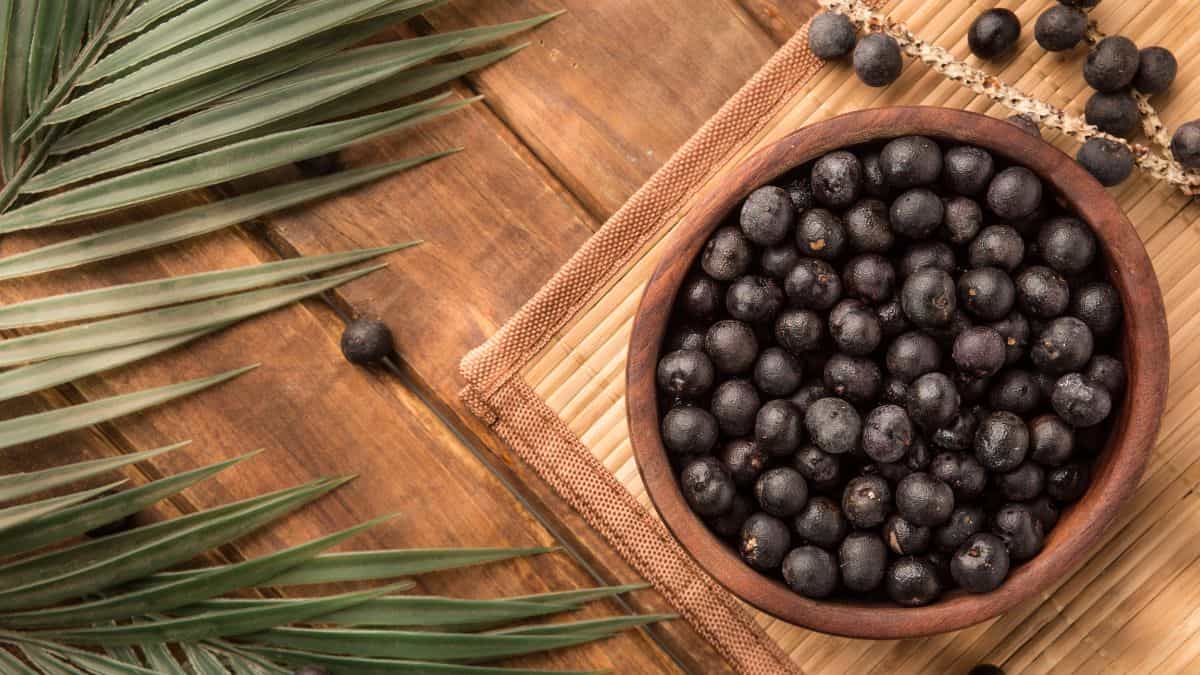
Acai berries are often marketed as weight-loss and anti-aging wonders. While they do contain antioxidants, so do many common fruits like blueberries and strawberries. Acai is mostly sold in juices and powders, which can be high in sugar or lack fiber.
It’s also expensive and often shipped long distances, which reduces freshness. Eating acai won’t harm your health, but it’s not doing anything magical either. You're better off with a mix of fresh, local berries.
Coconut Oil Isn’t Always Heart-Healthy

Coconut oil has been praised for everything from fat loss to brain health. But it’s high in saturated fat, which can raise cholesterol levels if consumed mainly. Some studies suggest small amounts may be fine, but it’s not a health food miracle.
Olive oil or avocado oil often offers more proven benefits. Using coconut oil occasionally in recipes is fine, but don’t go overboard. It’s not a cure-all for health or weight loss.
Goji Berries Don’t Have Superpowers
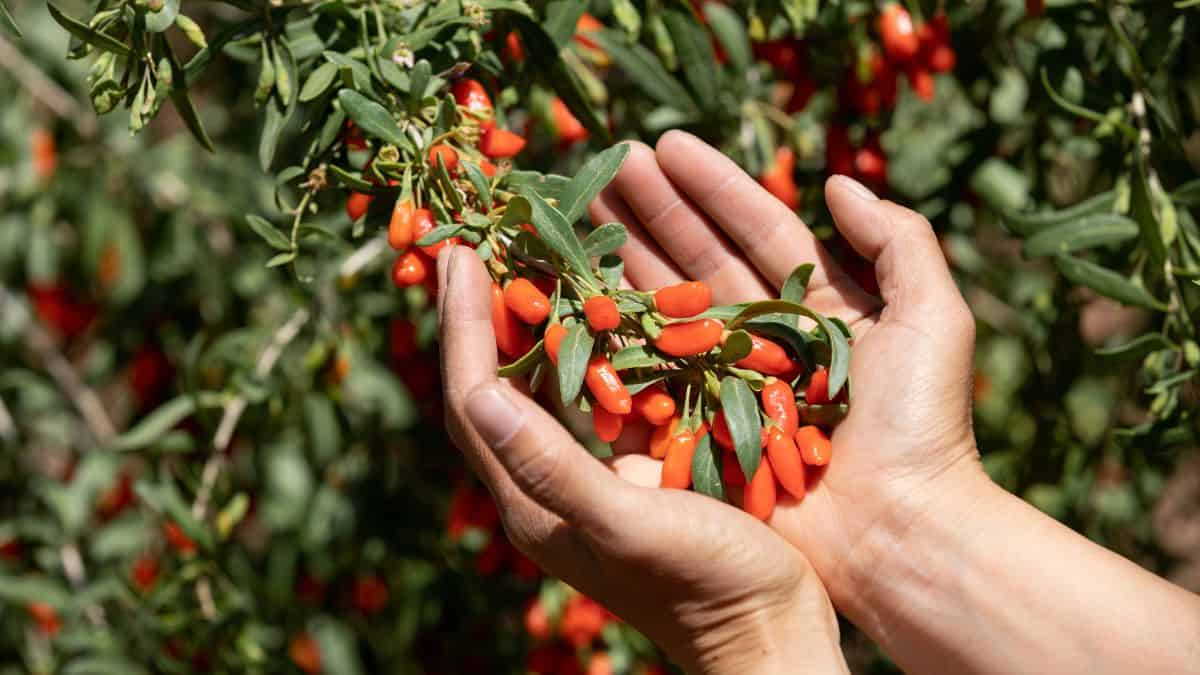
Goji berries have been called a fountain of youth, but science doesn’t back it up. While they do offer some vitamins and antioxidants, so do raisins, cranberries, and many other dried fruits.
They’re often sold at high prices for small quantities. And because they’re dried, they contain concentrated sugar. Eating them in moderation is okay, but they aren’t essential for good health. Don't expect them to be a game-changer.
Wheatgrass Isn’t a Magic Elixir
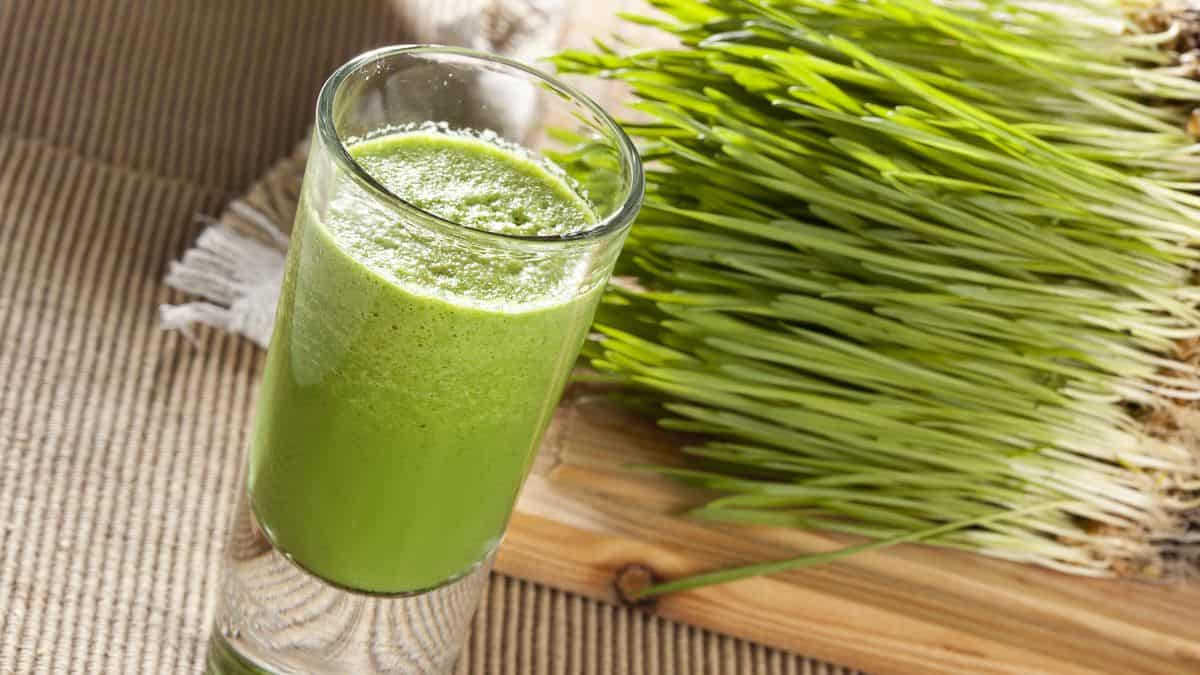
Wheatgrass shots are popular at juice bars, but some claim they’re not a miracle. While they do contain nutrients like chlorophyll and some vitamins, it’s nothing you can’t get from leafy greens.
Wheatgrass tastes bitter and often upsets sensitive stomachs. There’s also no strong evidence that it “detoxifies” the body. Your liver and kidneys already do that just fine. Skip the shot and make a green smoothie instead.
Chia Seeds Aren’t a Weight Loss Secret
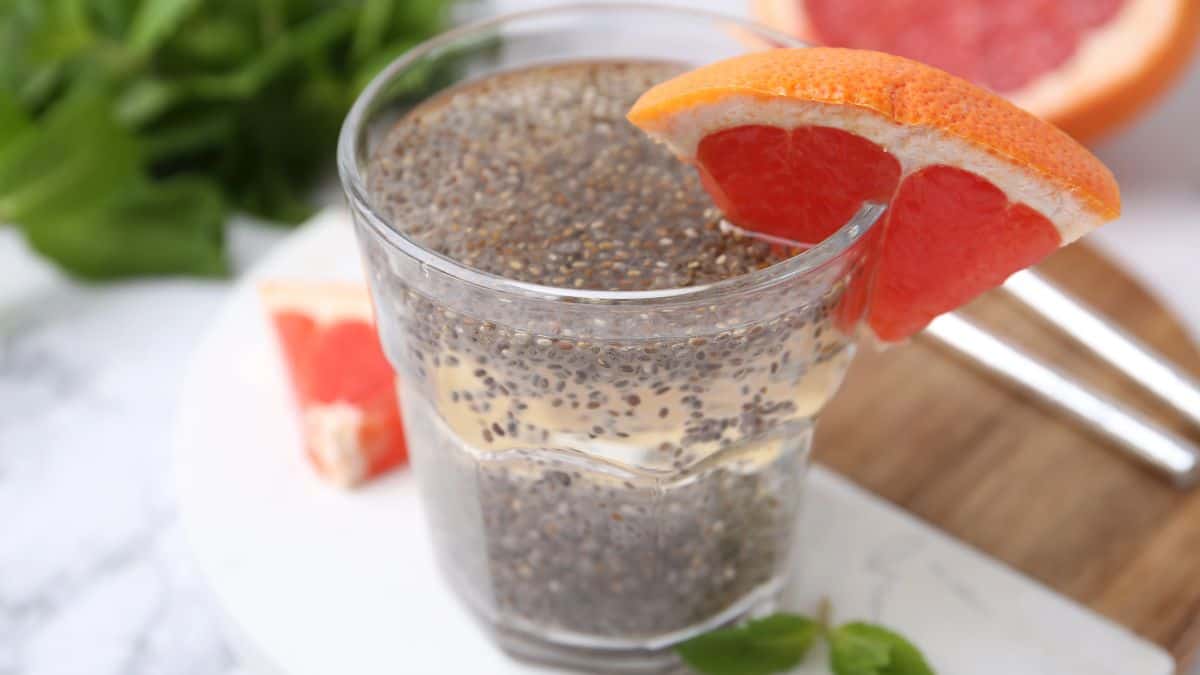
Chia seeds are full of fiber and omega-3s, but they’re not a magic bullet for weight loss. They can help you feel full, but only as part of a healthy diet. Adding a tablespoon to your yogurt won’t automatically shed pounds.
And eating too many may cause stomach discomfort. Other seeds, like flax or sunflower, are also great and often cheaper. Chia seeds are helpful, but not necessary for everyone.
Matcha Doesn’t Guarantee Zen Energy

Matcha is praised for giving calm energy without the jitters of coffee. It does contain caffeine and a calming compound called L-theanine, but not everyone responds the same way.
Many matcha drinks are mixed with sugar and milk, which cancels out the health perks. Plus, high-quality matcha can be expensive. Green tea offers similar benefits at a lower cost. Matcha is trendy, but it’s not magic in a cup.
Kale Isn’t Always King
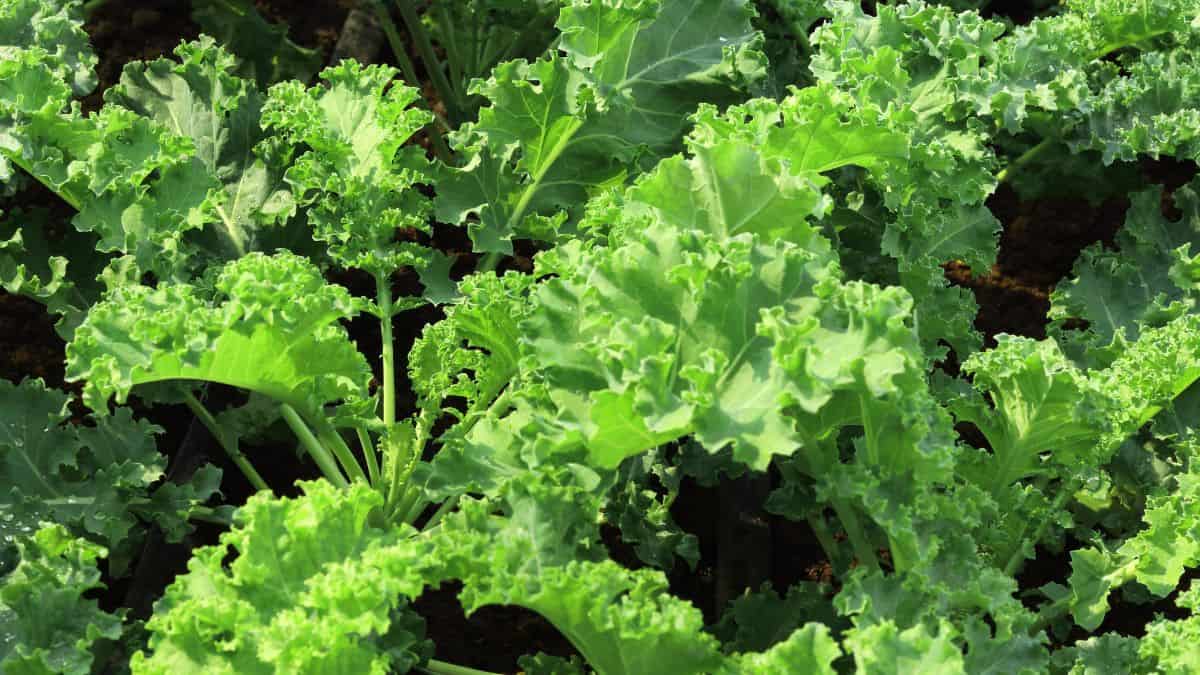
Kale is packed with nutrients, but it’s not the only green that deserves attention. It can also be tough to digest for some people and can interfere with thyroid function if eaten raw in large amounts.
Other leafy greens like spinach, arugula, and romaine are just as nutritious. Eating a variety of greens is better than focusing on just one. Kale has its place, but it’s not the only superhero on your plate. Balance is key.
Quinoa Isn’t the Only Smart Carb
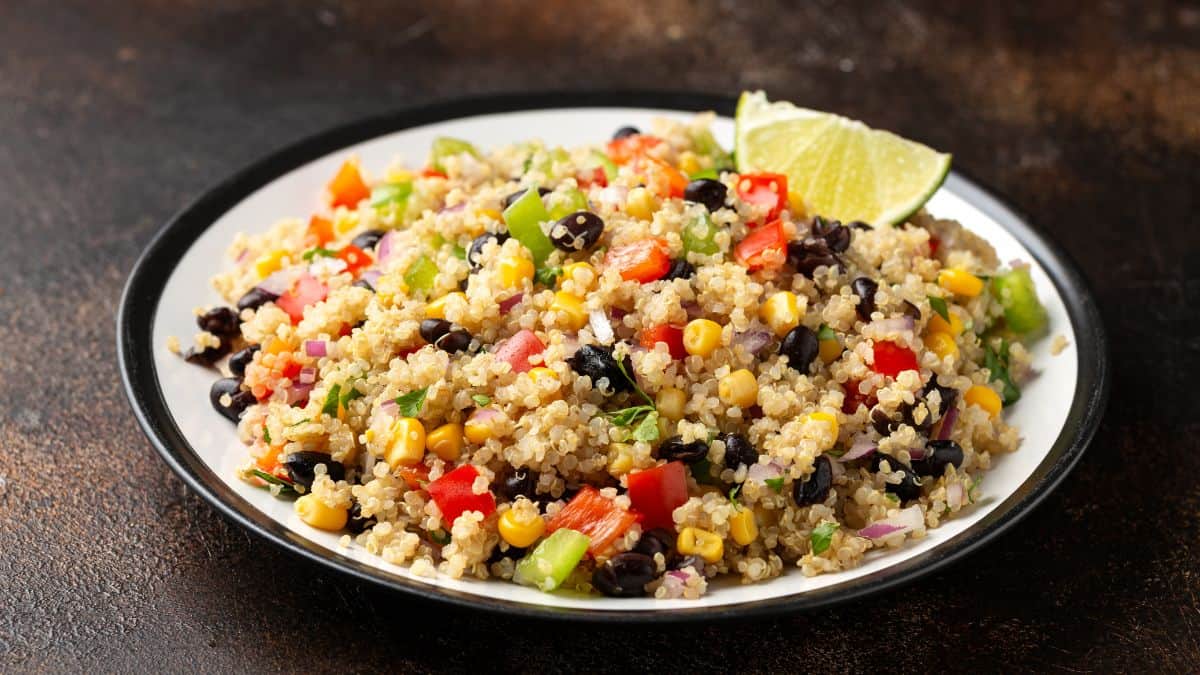
Quinoa is often praised as a protein-rich grain, but it’s not that much higher in protein than others. Brown rice, barley, and oats also offer fiber and nutrients.
Quinoa can also be expensive and bland without seasoning. It’s a good option, but it’s not the holy grail of grains. Variety is more important than relying on one trendy seed. Mix it up for better results.
Agave Nectar Isn’t a Healthy Sugar

Agave nectar is often sold as a healthier sweetener, but it’s mostly made of fructose. Too much fructose can stress your liver and lead to fat buildup.
It may have a lower glycemic index than regular sugar, but that doesn’t mean it’s good for you. Honey or maple syrup in small amounts may be better options. Sugar is still sugar. Agave just has better marketing.
Almond Milk Isn’t Full of Nutrients
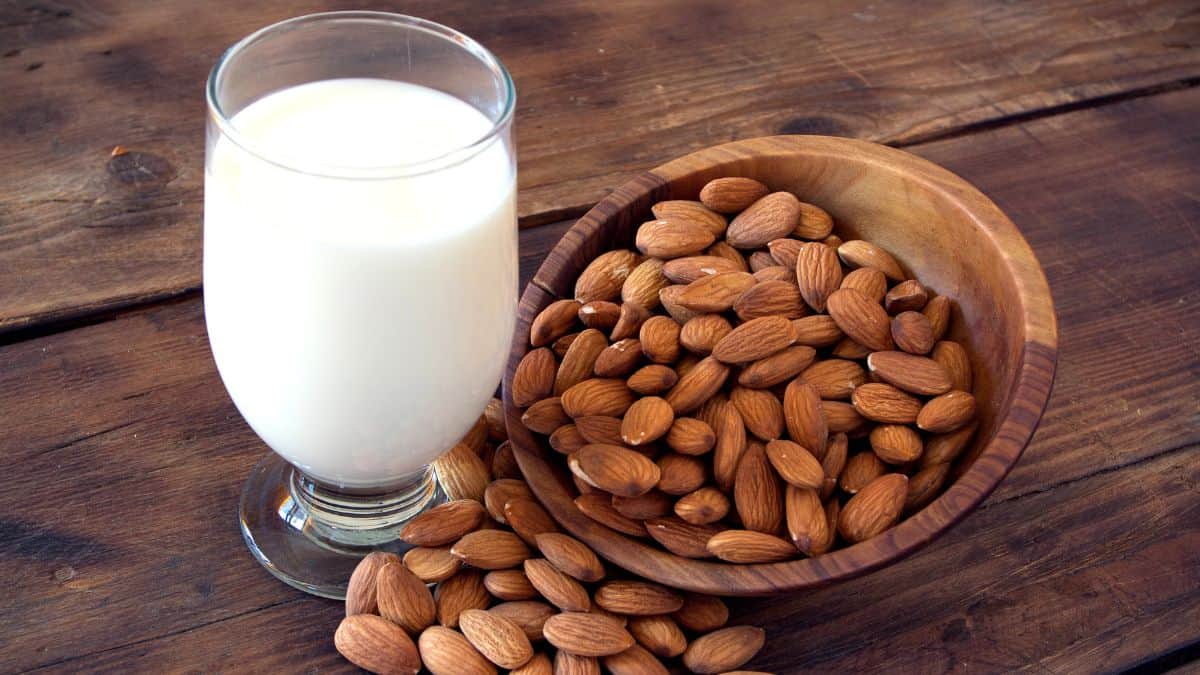
Almond milk sounds healthy, but it’s mostly water. Many brands contain just a few almonds per serving. They’re often fortified with vitamins, but you could get those from other foods.
Plus, many varieties have added sugars or gums for texture. Homemade versions have more almonds but can be time-consuming to make. If you’re not avoiding dairy, other options may offer more nutrition.
Turmeric Isn’t a Cure-All

Turmeric is widely known for its anti-inflammatory properties. But taking it as a spice in food won’t deliver the same results as concentrated supplements. And even those have mixed research on how well they work.
Too much turmeric can also upset your stomach or interact with medications. It’s great in moderation for flavor and color. Just don’t expect it to cure everything from arthritis to cancer.
Blue-Green Algae Isn’t Essential

Blue-green algae like spirulina and chlorella are popular in smoothies and supplements. They offer protein and some vitamins, but their benefits are often exaggerated. If not sourced carefully, these powders can be pricey and sometimes contaminated.
There’s no clear evidence they do more than a balanced diet already provides. Unless your diet is severely lacking, you probably don’t need them. Save your money and eat more veggies.
Protein Bars Aren’t Always Clean
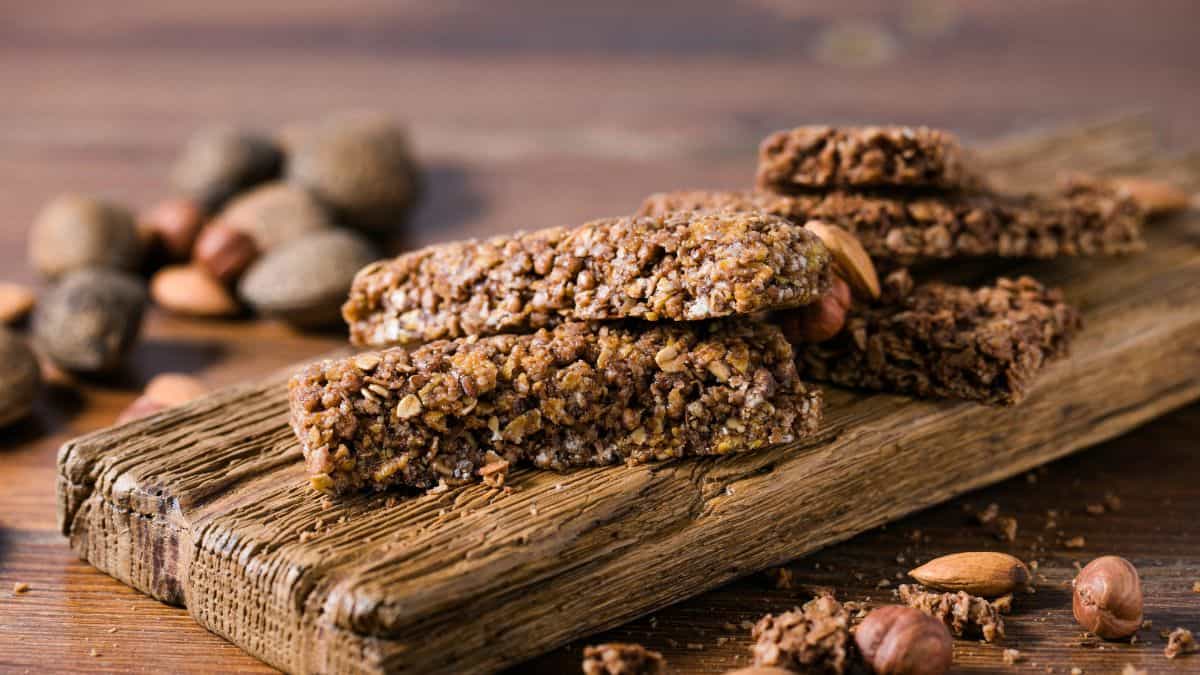
Many protein bars are loaded with artificial ingredients and added sugar. Even those labeled as “natural” can contain syrups, oils, and preservatives. They’re okay in a pinch but shouldn’t be a daily go-to.
Whole foods like eggs, yogurt, or nuts are better snacks. Don’t assume a bar is healthy just because it has protein. Always check the label and don’t fall for flashy packaging.
Apple Cider Vinegar Isn’t a Fat Burner
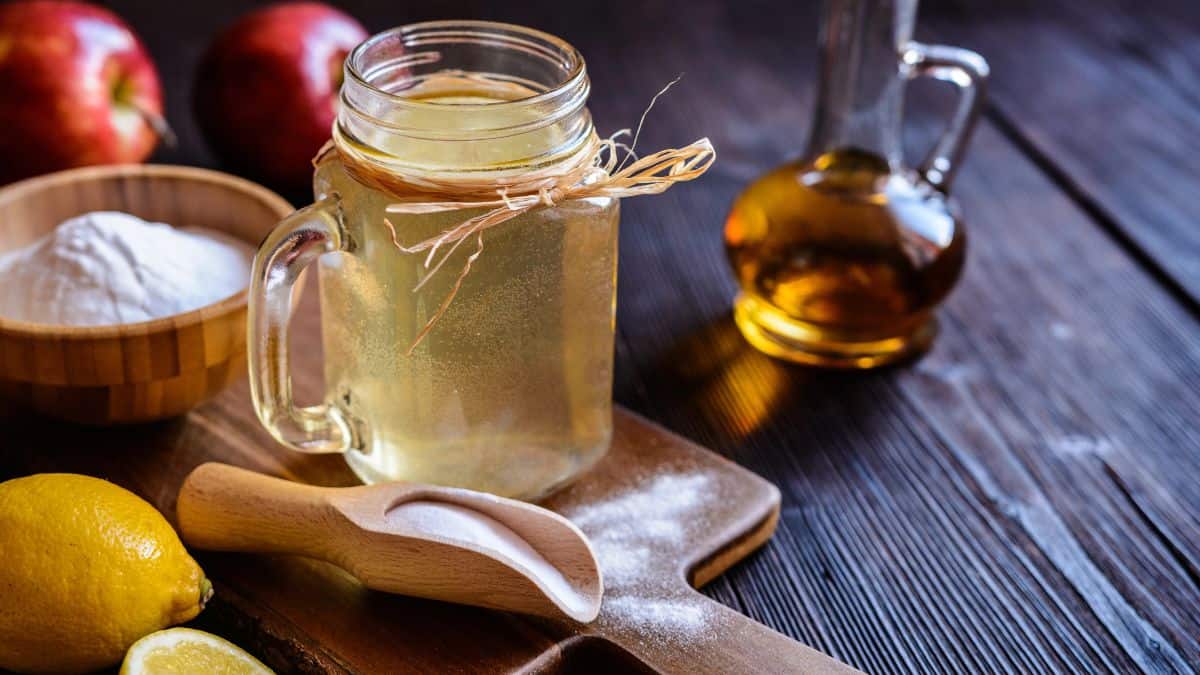
Apple cider vinegar has been called a weight loss aid, but the evidence is thin. It may slightly curb appetite or lower blood sugar, but the effects are minor.
Drinking too much can damage your teeth or upset your stomach. It’s fine as a salad dressing or mixed with water. But it’s not going to melt belly fat or detox your body. Use it for flavor, not miracles.
Avocados Aren’t Always Good in Excess

Avocados are full of healthy fats, but they’re also calorie-dense. Eating too many can add up quickly if you're watching your weight. They’re also not the only source of good fats; nuts, seeds, and olive oil work too.
Plus, they’ve become expensive due to high demand. Avocados are great in moderation, but not a food you should eat nonstop. Balance and portion size still matter.
Leave a Reply