
Did you know that many common kitchen scraps can be turned into new plants, saving money and reducing food waste? Regrowing food from scraps is not only environmentally friendly but also an easy way to enjoy fresh produce right at home.
Want to Save This Recipe?
Enter your email & I'll send it to your inbox. Plus, get great new recipes from me every week!
By submitting this form, you consent to receive emails from Blue's Best Life.
Whether you have a garden or a windowsill, you can regrow plenty of food with minimal effort. From veggies to herbs, these foods are simple to grow and perfect for anyone looking to start their own small garden. Here are many foods you can regrow from scraps to get you started.
Green Onions
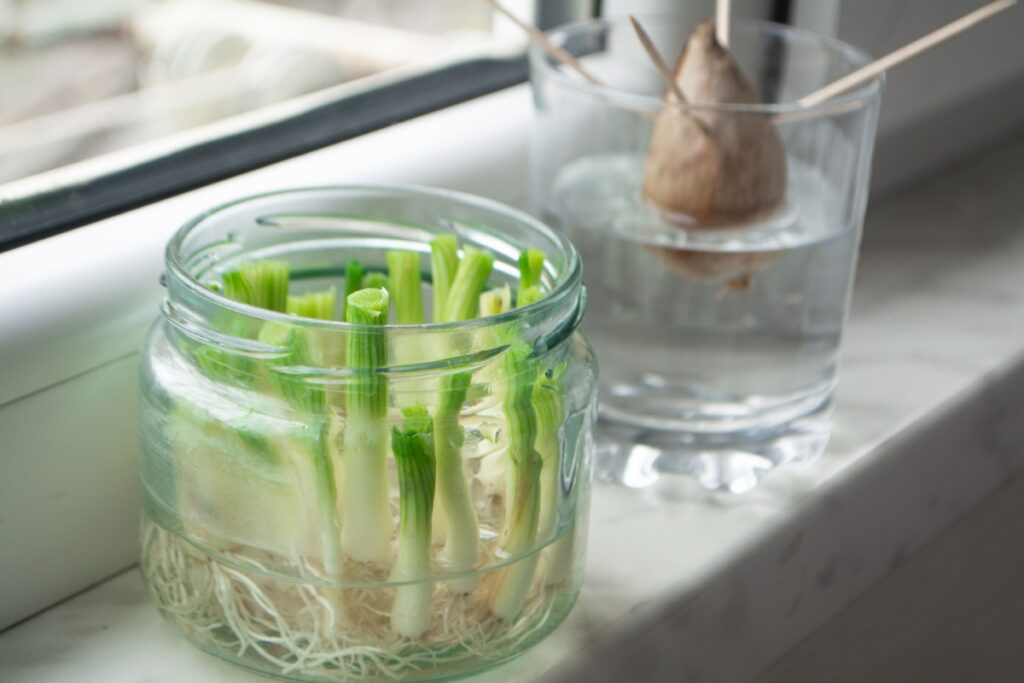
Green onions are one of the easiest foods to regrow from scraps. Simply take the white root ends and place them in a glass of water. Within days, you’ll see new green shoots starting to grow.
Change the water every couple of days and place the glass in a sunny spot. Once they’ve grown a few inches, you can snip off what you need and leave the rest to continue growing. You can also transfer them to soil if you prefer.
Celery
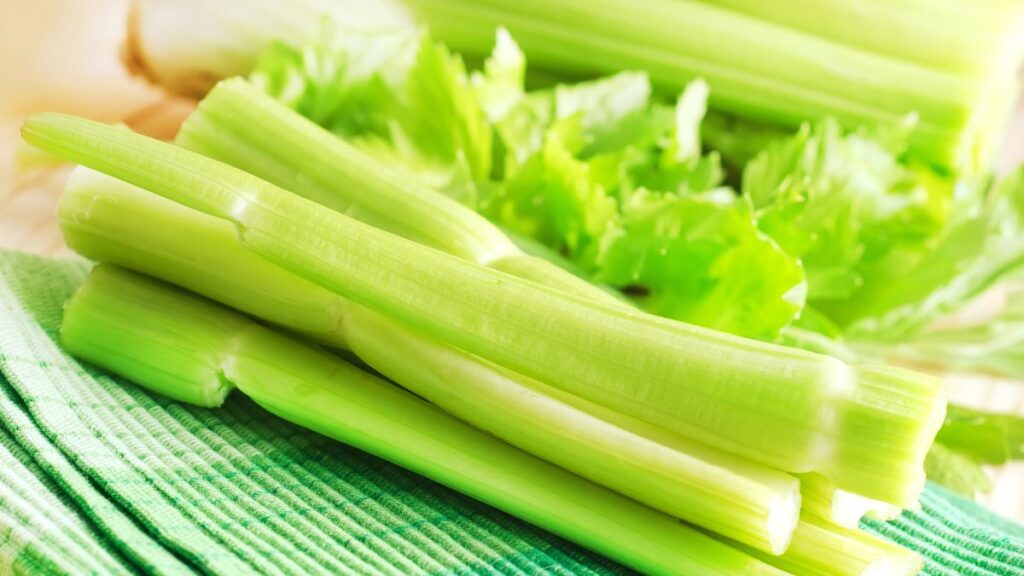
Celery can be regrown from its base with little effort. After cutting off the stalks, save the base and place it in a shallow dish of water, root side down. In about a week, new leaves will start sprouting from the center.
Once the roots have developed, you can plant it in soil and continue to grow your celery indoors or outdoors. This process not only gives you new celery but also reduces waste from the kitchen.
Garlic
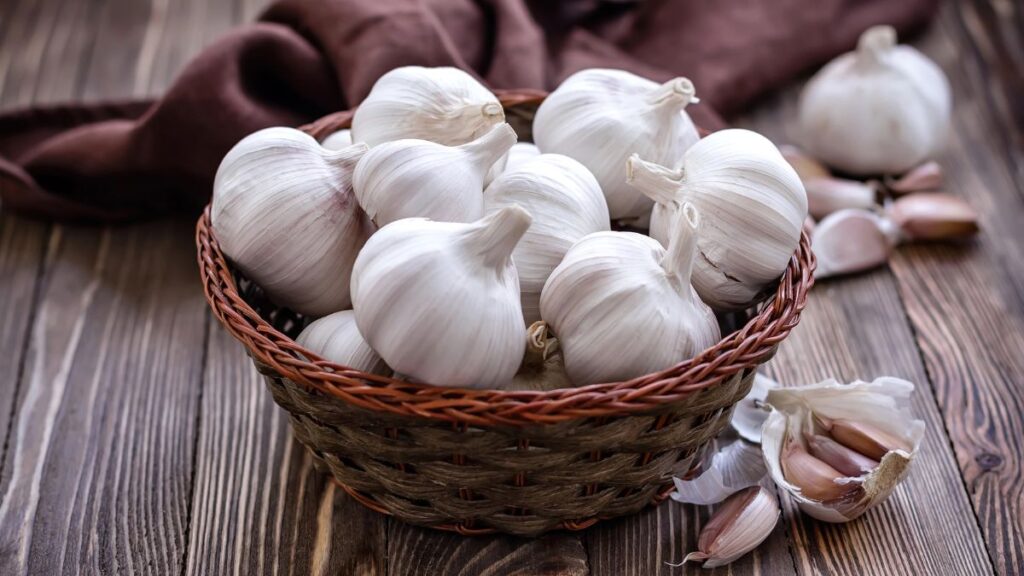
Garlic is another simple food to regrow from scraps. If you have a clove that has started to sprout, you can plant it in soil with the sprouted end facing up.
Water it regularly and keep it in a sunny spot. Over time, the clove will grow into a whole new garlic bulb. This is a great way to have a constant supply of fresh garlic on hand for your recipes.
Lettuce
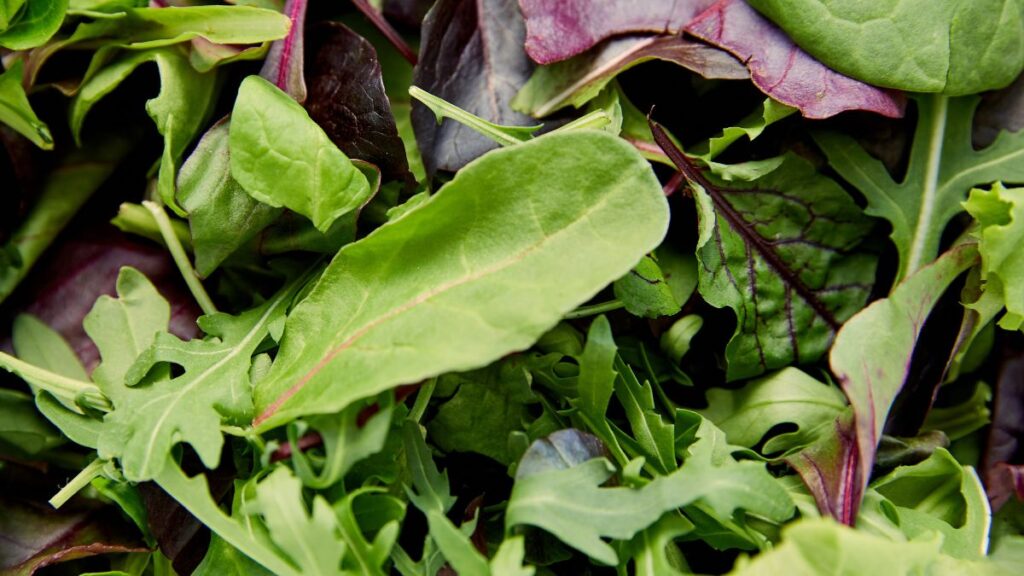
Instead of tossing out the base of a lettuce head, you can regrow it. Place the leftover base in a water bowl, ensuring the bottom is submerged. Within a few days, new leaves will start growing from the center.
Keep the water fresh and place the bowl in a sunny location. After about two weeks, you can harvest the new leaves or transplant the lettuce into soil for longer growth.
Potatoes
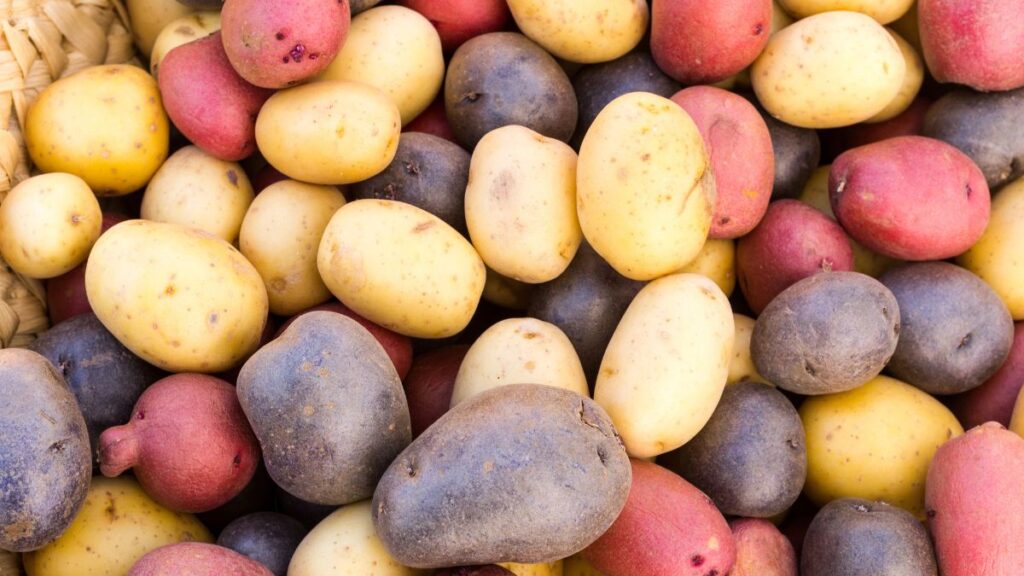
Potatoes are easy to regrow from the “eyes” or small buds that form on the skin. Cut the potato into pieces, ensuring each piece has at least one or two eyes. Allow the pieces to dry for a day or two to prevent rotting, then plant them in soil with the eyes facing up.
In a few weeks, the potato pieces will sprout and grow into new plants, eventually producing more potatoes beneath the soil.
Carrots
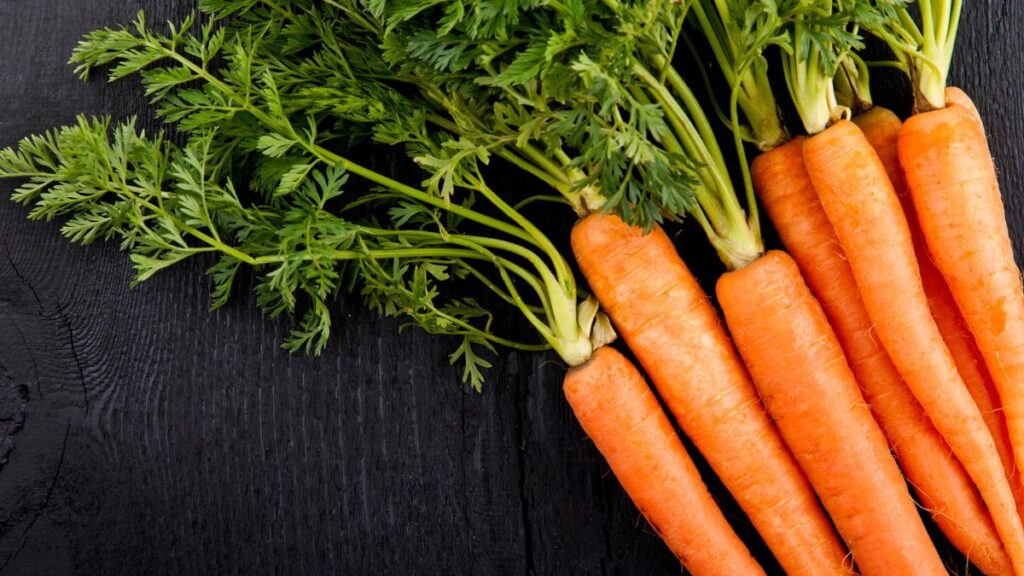
Carrot tops can be regrown and used for various purposes, though they won’t regrow the actual carrot. Cut off the top inch of the carrot and place it in a shallow dish of water. In about a week, you’ll see new green sprouts emerging.
You can use the carrot greens in salads, soups, or as garnish. While you won’t get a new carrot root, you’ll still enjoy fresh, edible greens.
Ginger
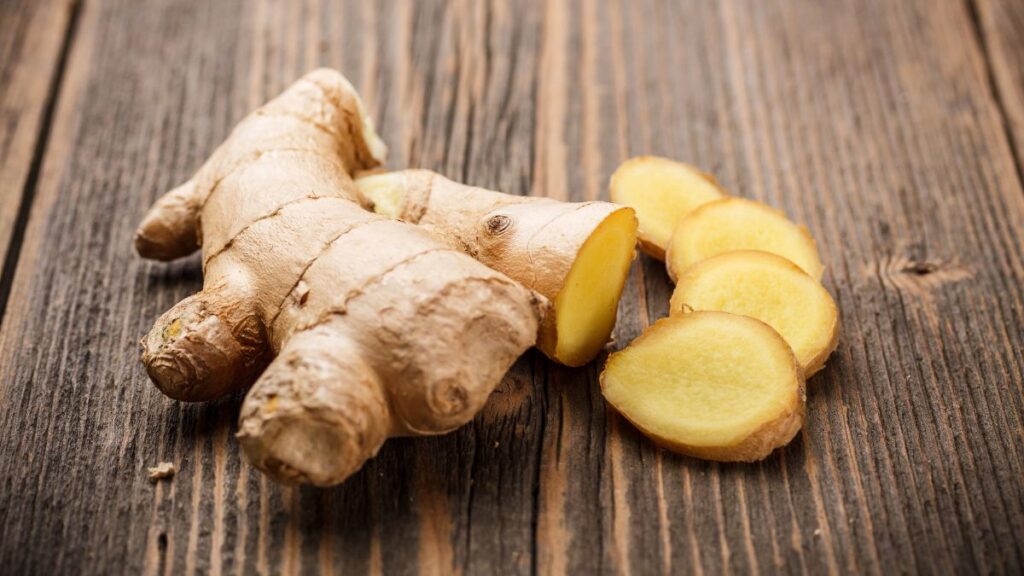
If you have a piece of ginger that’s starting to sprout, you can regrow it into a whole new plant. Simply plant the ginger root with the sprouting part facing up in soil. Keep it in a warm, sunny spot and water it regularly.
Ginger takes a bit longer to grow, but after a few months, you’ll have a fresh supply of ginger root ready to harvest.
Pineapple

Believe it or not, you can regrow a pineapple from its crown. Cut off the leafy top and remove a few of the lower leaves to expose the base.
Let it dry for a couple of days, then plant the base in soil. Keep it in a warm, sunny location and water it sparingly. Pineapple plants take time to grow, but with patience, you’ll eventually get a new fruit-bearing plant.
Basil
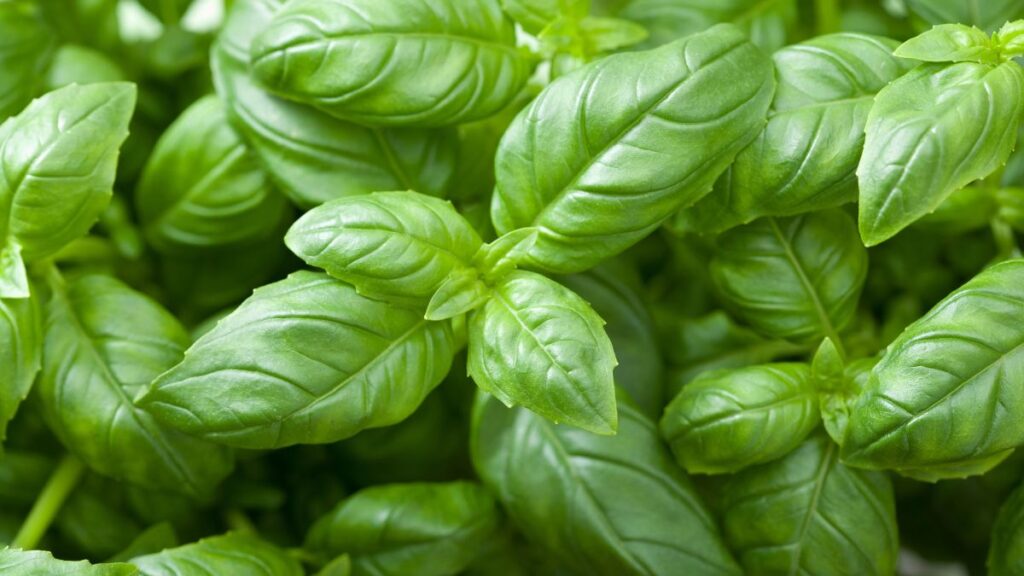
Basil is a popular herb that can be easily regrown from cuttings. Take a small cutting from an existing basil plant and place it in a glass of water. Change the water regularly and keep it in a sunny spot. After a few weeks, roots will begin to form.
Once the roots are a couple of inches long, you can transfer the cutting to soil and continue growing your basil.
Romaine Lettuce
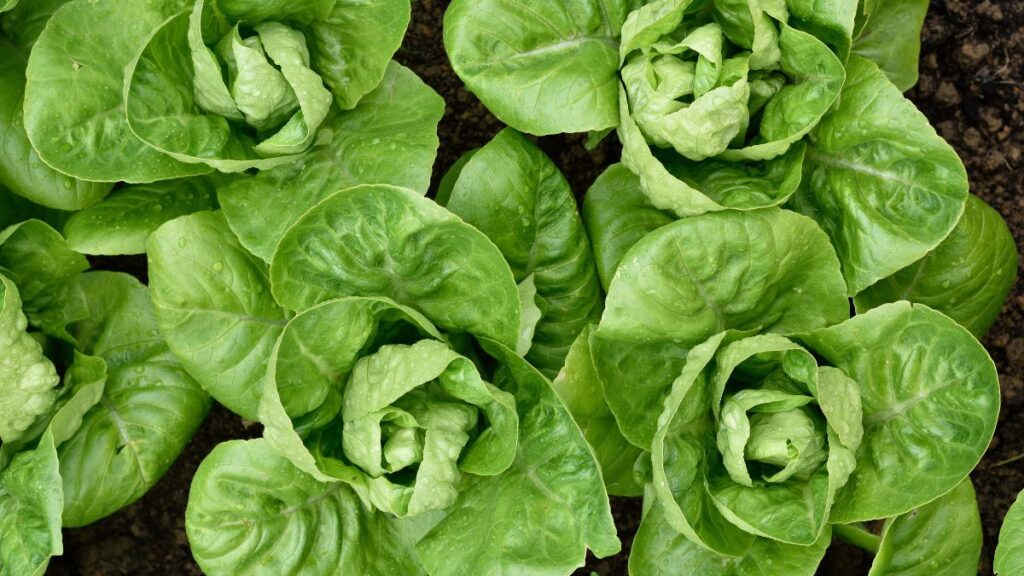
Like other types of lettuce, romaine can be regrown from its base. After using the leaves, save the stem and place it in water.
In about a week, new leaves will start to grow from the center. Once it has grown a few inches, you can plant the romaine in soil for continued growth. This is an easy way to have fresh lettuce for your salads without constantly buying more.
Leeks
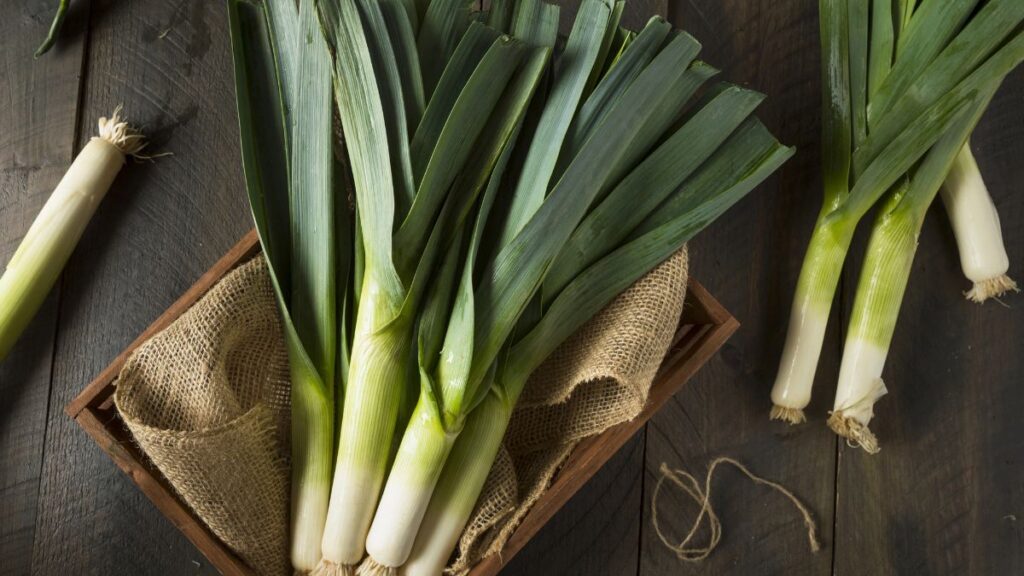
Leeks can be regrown in the same way as green onions. Save the white root end and place it in a glass of water. New green shoots will begin to grow within a few days.
Keep the water fresh and the glass in a sunny spot. After a couple of weeks, you can either harvest the new shoots or plant the leek in soil for a more sustainable supply.
Sweet Potatoes
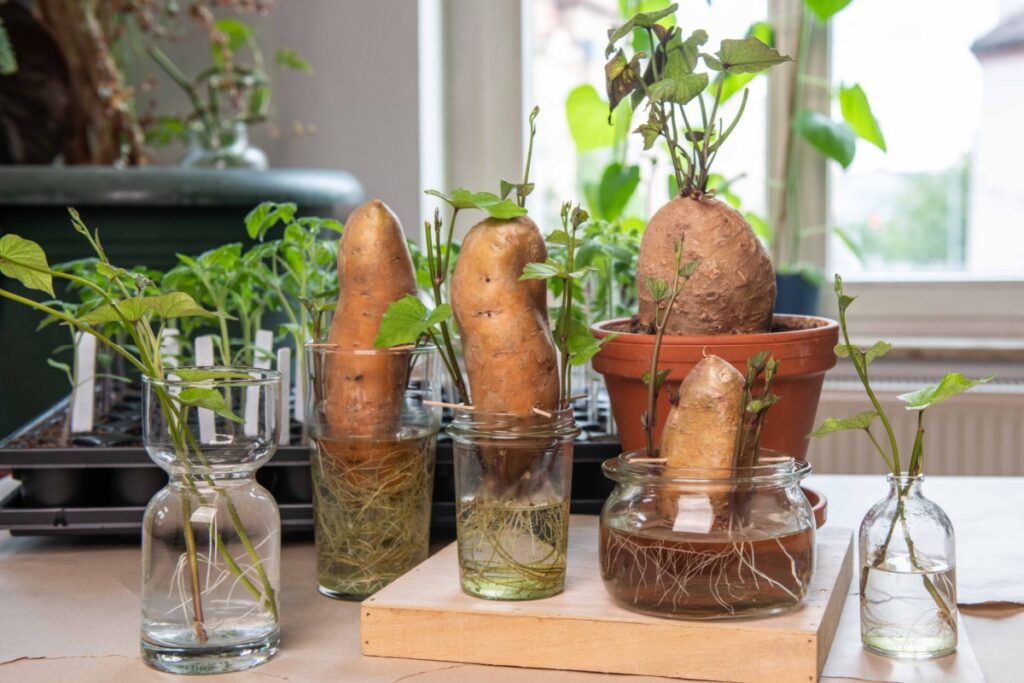
Sweet potatoes can be regrown from slips, which are sprouts that grow from the tuber. Place a sweet potato in a jar of water with half submerged and the other half above the water. In a few weeks, slips will start to grow.
Once they are about 4-6 inches long, carefully remove them and plant them in the soil. With proper care, these slips will grow into new sweet potato plants.
Onions
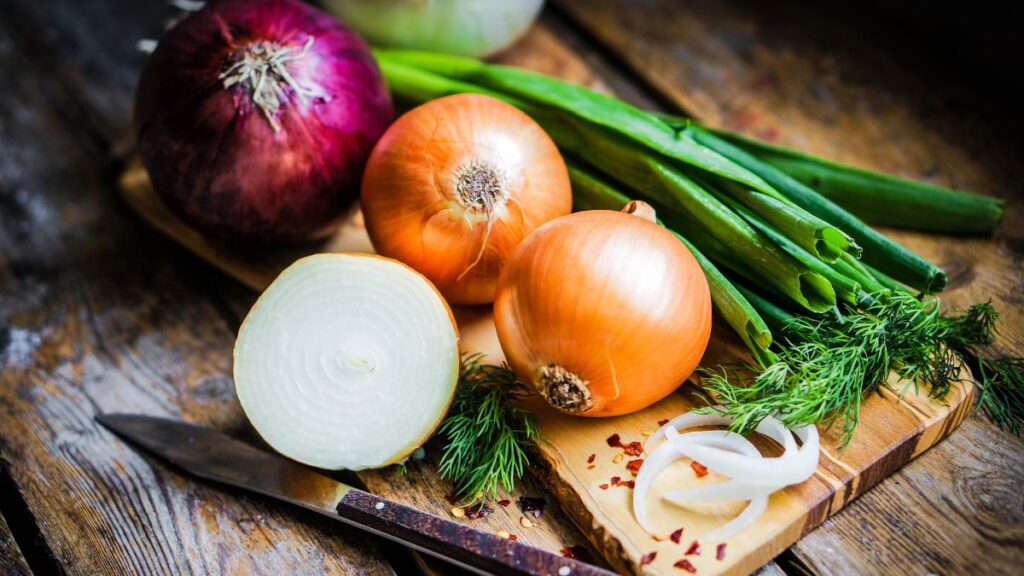
Onions can be regrown from scraps by planting the root end in soil, leaving the top exposed, and watering it regularly. Over time, the onion will begin to regrow, producing new green shoots that can be used in cooking.
This method works best with onions that still have their root structure intact. Depending on your space, you can grow them indoors or outdoors.
Cilantro
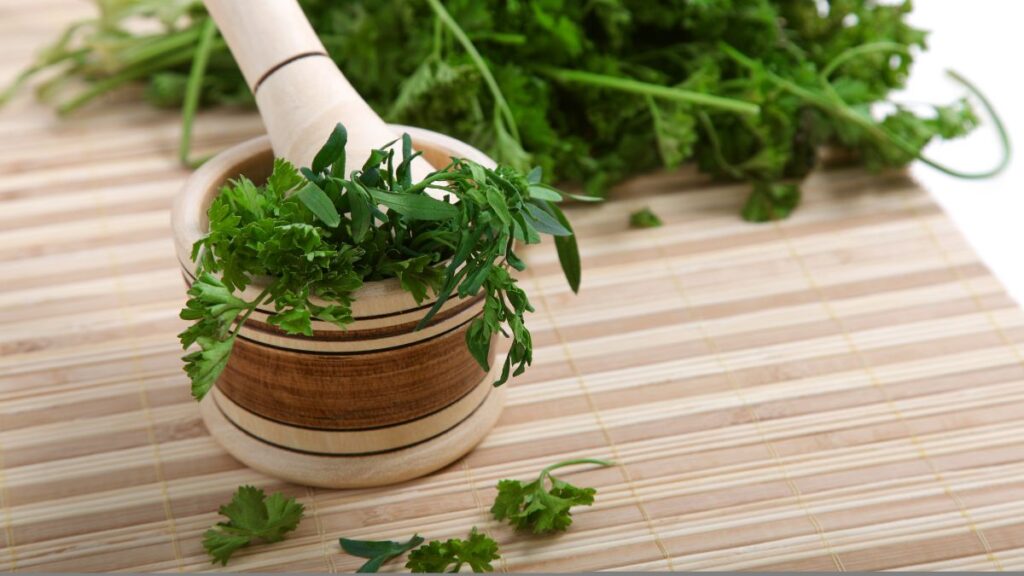
Cilantro can be regrown from the stems left over after using the leaves. Place the stems in a glass of water and keep them in a sunny location.
After a week or two, roots will start to form. Once the roots are a few inches long, you can transplant the cilantro into the soil. With regular watering, your cilantro will grow, providing fresh herbs for your meals.
Beets

Beet greens can be regrown from the tops of beets, though the roots won’t grow back. Cut off the top of the beet, leaving about an inch of the root attached.
Place it in a shallow dish of water and set it in a sunny spot. In a few days, new leaves will begin to grow. These beet greens are edible and can be used in salads, stir-fries, or as a garnish.
Leave a Reply