
We usually picture forks, spoons, and knives when we think about eating. But nature and clever cooking have given us foods with built-in utensils. These are foods you can enjoy without searching through a drawer for silverware.
Want to Save This Recipe?
Enter your email & I'll send it to your inbox. Plus, get great new recipes from me every week!
By submitting this form, you consent to receive emails from Blue's Best Life.
They are fun, practical, and often healthier than processed snacks. Many are also convenient when traveling, camping, or eating on the go. Here are various foods with their own natural or edible utensils.
Bananas Make Their Own Handle
Bananas are one of the best examples of food with a natural utensil. The thick peel acts as both a wrapper and a handle. You can peel the skin and eat the fruit without your hands ever touching the soft inside. This makes bananas perfect for school lunches, road trips, or hiking snacks. The peel also protects the fruit from dirt and germs while carrying it around. Nature has designed the banana to be one of the most convenient snacks on earth.
Oranges Come in a Protective Shell
Oranges have a built-in utensil in the form of their peel. Once you break into the skin, the sections inside are neatly packaged for eating. You can grab each wedge without making too much of a mess. The peel works as a natural wrapper and keeps the fruit fresh for a long time. This design makes oranges easy to pack in a bag or backpack. The best part is how the segments are perfectly bite-sized and ready to share.
Apples Double as Bowls
Apples are another fruit with a built-in utensil. The peel is a natural container that keeps the juicy flesh inside fresh and crisp. You can eat an apple directly without cutting, peeling, or cooking it. The skin's firmness makes it feel like you are eating from a bowl. Once you bite into it, you enjoy the inside while holding onto the outer layer. Apples are one of the simplest grab-and-go foods in the world.
Coconut Shells Act Like Cups
Coconuts are unique because their hard shell works like a built-in cup. When you crack one open, the water inside can be sipped straight from the shell. The inner flesh can then be scooped out and eaten using the shell parts. In many tropical countries, coconuts are sold at street stands with a straw stuck right into the shell. The natural design keeps the liquid fresh for weeks before being opened, making coconuts tasty and one of the most resourceful natural foods.
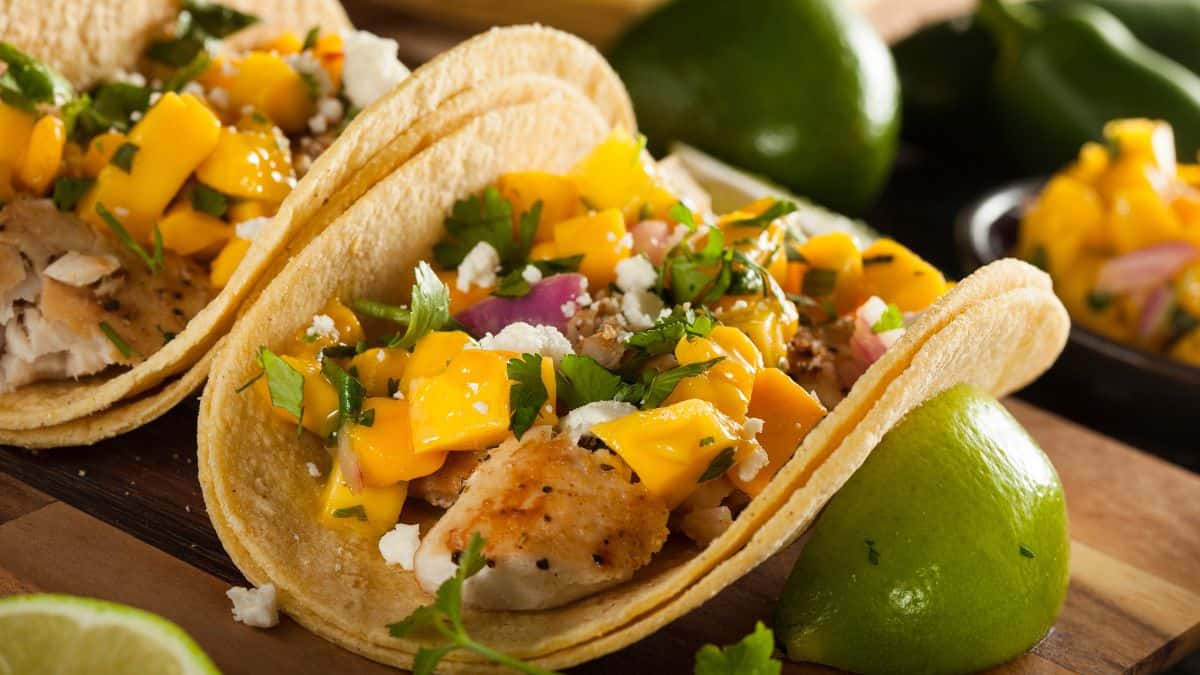
Tacos Use Their Own Wrapper
Tacos are cooked food that cleverly uses a wrapper as part of the meal. The tortilla holds all the fillings together while doubling as the utensil. You do not need a fork or spoon because the tortilla keeps the meat, beans, and vegetables in place. This design makes tacos easy to eat on the go. The utensil is edible, whether it is a soft tortilla or a crunchy shell. Tacos show how culture has used creativity to make eating fun and straightforward.
Burritos Roll Everything Into One
Like tacos, burritos serve as a utensil. The tortilla is tightly wrapped around the filling, so nothing spills out. You hold the burrito with your hands and eat it straight from its wrapper. This makes burritos a favorite for busy people who want a full meal without dishes. The tortilla is strong enough to contain the food but soft enough to chew. Burritos are the perfect example of how food design can be both tasty and practical.
Hot Dogs Have Edible Holders
Hot dogs come with a built-in utensil in the form of a bun. The bread holds the sausage and toppings, making it easy to eat without a fork. The bun soaks up sauces like ketchup or mustard, keeping your hands cleaner. Without the bun, eating a hot dog would be much messier. This simple bread wrapper turns a small sausage into a complete handheld meal. The hot dog bun proves that food design can be simple and effective.
Sandwiches Keep It All Together
Sandwiches are another meal that comes with its own utensil. The slices of bread act like edible plates holding the fillings inside. You can pack vegetables, meats, cheeses, and sauces between them and eat it directly. Sandwiches are popular because they do not require extra tools to enjoy. From peanut butter and jelly to deli meats, sandwiches have endless variations. The bread tastes good and serves a practical purpose in holding everything together.
Wraps Work as Handheld Containers
Wraps are similar to burritos but often use thinner tortillas or flatbreads. They are rolled tightly so that the fillings stay secure while you eat them. The wrap itself becomes the utensil, making forks unnecessary. Wraps are popular for quick lunches and are easy to carry anywhere. The design allows you to enjoy vegetables, meats, and spreads in a clean, handheld way. Wraps are a modern twist on the idea of edible utensils.
Lettuce Wraps Use Greens as Tools
Lettuce wraps are a healthier alternative to traditional wraps. Instead of bread or tortillas, large leaves of lettuce are used as the holder. You place the filling inside and fold the leaf around it. The lettuce acts as both a utensil and part of the meal, making lettuce wraps lower in carbs while still being practical. They are especially popular in Asian cuisine and health-conscious diets.
Stuffed Peppers Are Bowls You Can Eat
Stuffed peppers are an example of cooked food with a built-in utensil. The pepper itself works like a bowl holding rice, meats, or vegetables inside. After cooking, you can eat the filling and then enjoy the pepper as part of the dish. This makes the entire meal edible with no waste. The pepper keeps the food contained until it is ready to be eaten. Stuffed peppers are both colorful and functional in design.
Clams and Mussels Provide Their Own Spoons
Clams and mussels naturally come with shells that can act like spoons. The shells open up once the seafood is cooked, making it easy to scoop out the meat. Some people even use one shell to grab the meat from another. The shell protects the seafood until cooking, acting as nature’s serving dish. Eating clams and mussels is an interactive experience that makes the shells part of the fun. This is another way nature provides its own utensil.
Corn on the Cob Comes With Handles
Corn on the cob is a food with its own built-in handles. The stiff cob in the center lets you hold both ends while eating the kernels. You do not need a fork or spoon to enjoy it. Some people add butter or seasoning right on the cob and then bite straight into it. The natural design of the corn makes it perfect for barbecues and outdoor meals. It is one of the simplest examples of food with a built-in utensil.
Chicken Drumsticks Have Natural Handles
Chicken drumsticks are another food that comes with a built-in utensil. The bone acts as a handle, letting you hold it while eating the meat. This makes drumsticks a favorite at parties, picnics, and sports events. They are easy to carry and do not require forks or knives. The bone stays firm, giving you something to grip until the last bite. Chicken drumsticks are proof that even cooked foods can have natural utensils.
Popsicles Come on Sticks
Popsicles are designed with a built-in utensil in the form of a wooden stick. The stick lets you hold the frozen treat without getting your hands messy. This clever design has made popsicles a popular snack for decades. Once you are done eating, you simply throw away the stick. Without it, popsicles would be nearly impossible to eat neatly. The stick is what turns flavored ice into a fun, easy-to-hold treat.
Ice Cream Cones Are Edible Bowls
Ice cream cones are one of the smartest examples of edible utensils. Instead of eating ice cream from a bowl with a spoon, the cone serves as both container and utensil. You lick or bite the ice cream while holding the cone. Once the ice cream is finished, you eat the cone. This design not only reduces waste but also makes the treat more fun. Ice cream cones are loved worldwide because of their clever design.
Pizza by the Slice Works Like a Plate
Pizza slices are another food that comes with its own utensil. The crust acts like a handle, allowing you to hold the slice without getting sauce on your hands. Each slice is shaped like a mini plate holding cheese and toppings. This makes pizza perfect for parties, street food, and quick meals. The design of the slice makes it portable and easy to share. Pizza is one of the most popular foods that shows how simple design can be effective.
Cupcakes Have Built-In Wrappers
Cupcakes come with a paper wrapper that works like a built-in utensil. The wrapper holds the cake together while you peel it down to eat, keeping your hands clean and making the treat easier to carry. Cupcakes are designed for individual servings, and the wrapper helps with portion control. After eating, the wrapper is simply thrown away. The built-in wrapper is what makes cupcakes both fun and practical.
From bananas to burritos, many foods come with their own utensils built right in. Some are natural designs, like peels, shells, or bones, created by nature. Others are clever human inventions, like tortillas, cones, and sticks. These foods remind us that eating does not always need forks and spoons. Built-in utensils make meals easier, cleaner, and sometimes even tastier. Whether it is fruit, seafood, or a sweet treat, these foods show that nature and creativity often serve us better than silverware.

Leave a Reply