
Food does more than fill our stomachs; it can also carry surprising bits of history and trivia. Some dishes were discovered by chance, while others traveled the world before becoming part of our daily meals.
Want to Save This Recipe?
Enter your email & I'll send it to your inbox. Plus, get great new recipes from me every week!
By submitting this form, you consent to receive emails from Blue's Best Life.
Everyday items often hide unusual beginnings, from mistakes that turned into inventions to recipes with deep cultural meaning. Knowing these stories makes eating them feel a little more special. It shows that food connects people across time and places. Here are foods with fun stories you may not know.
Marshmallows
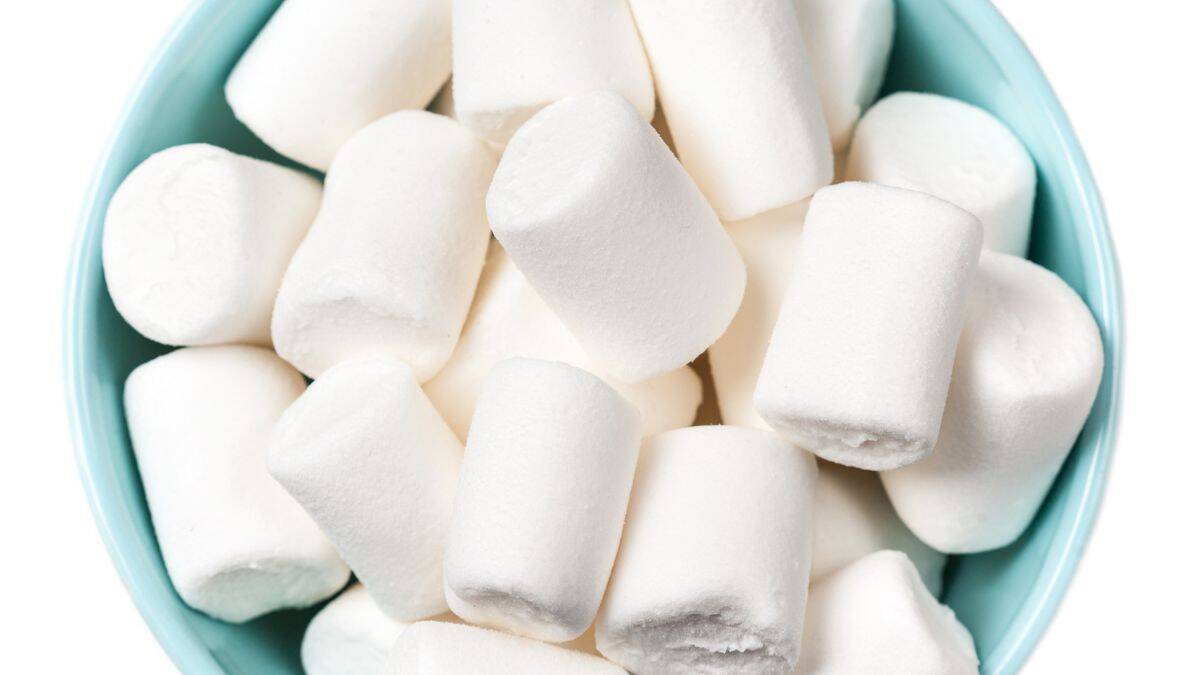
Marshmallows were first made from the sap of a mallow plant, which grew in marshes, giving them their name. Ancient Egyptians used the plant in sweet treats reserved for gods and royalty. In the 1800s, French candy makers began whipping the sap with sugar to make a soft candy.
Eventually, gelatin replaced the plant sap, making mass production possible. Today, marshmallows are known for campfires, s’mores, and hot cocoa. From sacred offerings to sticky snacks, marshmallows have traveled a long road.
Worcestershire Sauce

Worcestershire sauce was created in England in the 1800s by accident. Chemists John Lea and William Perrins tried to copy a recipe from India, but their first batch tasted awful. They stored the jars in a cellar and forgot about them.
Months later, they tasted the sauce again and found it had developed a rich, complex flavor. The sauce became popular worldwide, used in marinades, cocktails, and even on steaks. What began as a failed experiment turned into a kitchen classic.
Pretzels

Pretzels are believed to have been invented by European monks around the 600s. The shape is said to represent arms folded in prayer. They were given as rewards to children who learned their prayers.
Pretzels later spread across Europe and became tied to good luck and prosperity. German immigrants brought them to America, where soft pretzels grew popular. Today, pretzels are both a street snack and a symbol of tradition.
Potato Chips
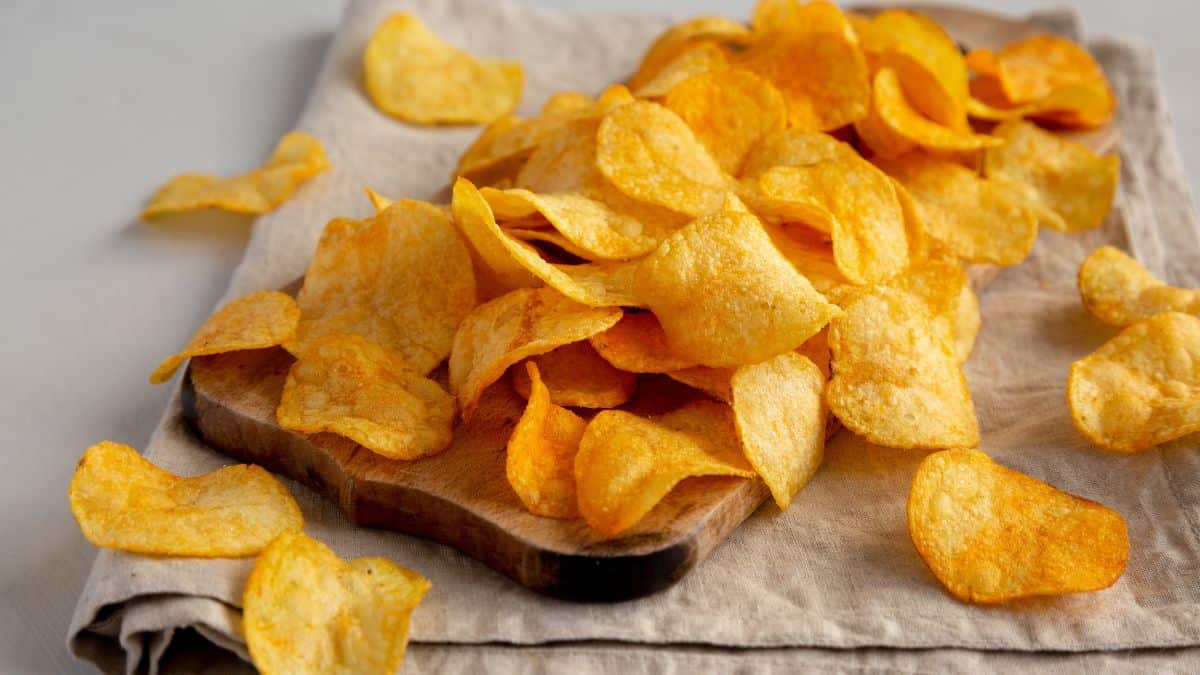
Potato chips were supposedly invented in 1853 in Saratoga Springs, New York. A customer kept complaining that the fried potatoes were too thick. Chef George Crum sliced them extremely thin, fried them crisp, and added extra salt.
To his surprise, the customer loved them. The chips quickly became a hit and were later packaged for stores. What began as a way to annoy a diner turned into a snack empire.
Honey

Honey is one of the oldest foods in the world, eaten by humans for thousands of years. Ancient Egyptians used it not only as food but also as medicine and in religious offerings. Honey never spoils because of its natural composition.
Archaeologists have even found jars of honey in tombs that are still edible. Bees must visit thousands of flowers to make just one pound of honey. This golden sweetener carries both history and nature in every spoonful.
Pickles
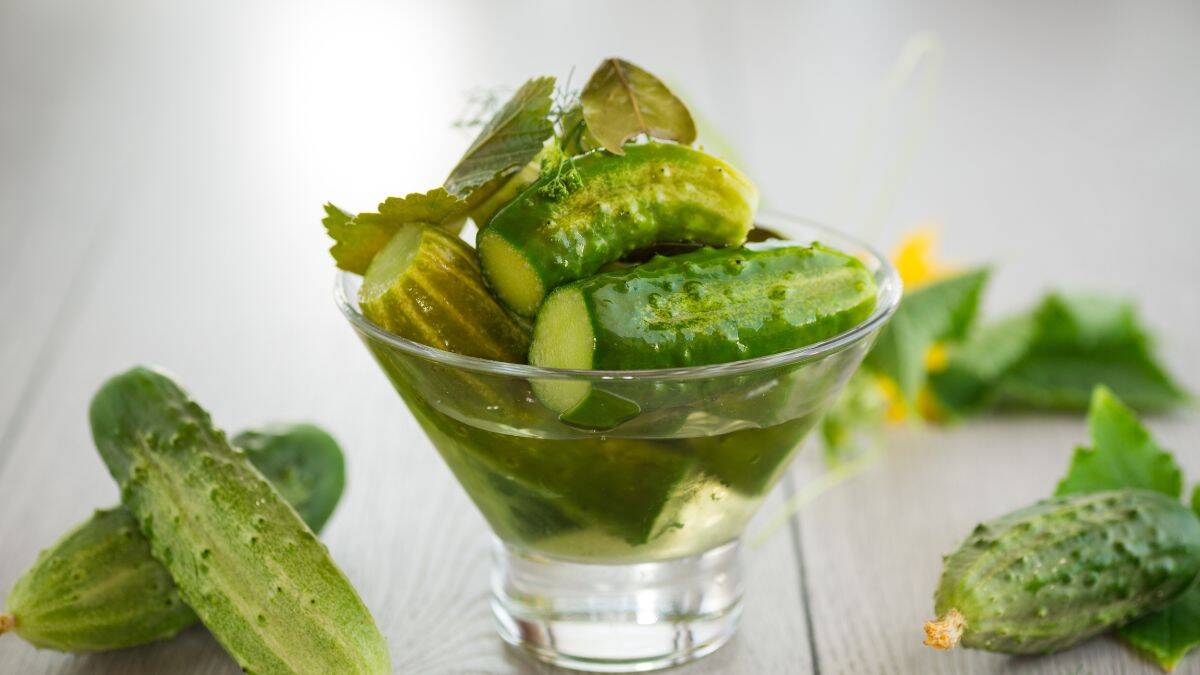
Pickles have been around for over 4,000 years, starting in Mesopotamia. Soaking cucumbers in brine helped preserve them for long journeys. Cleopatra is said to have credited pickles with part of her beauty.
Roman soldiers ate them for strength during battles. Pickles became especially popular in the United States among immigrants in big cities. Their tangy taste shows how necessity often creates long-lasting traditions.
Cheesecake
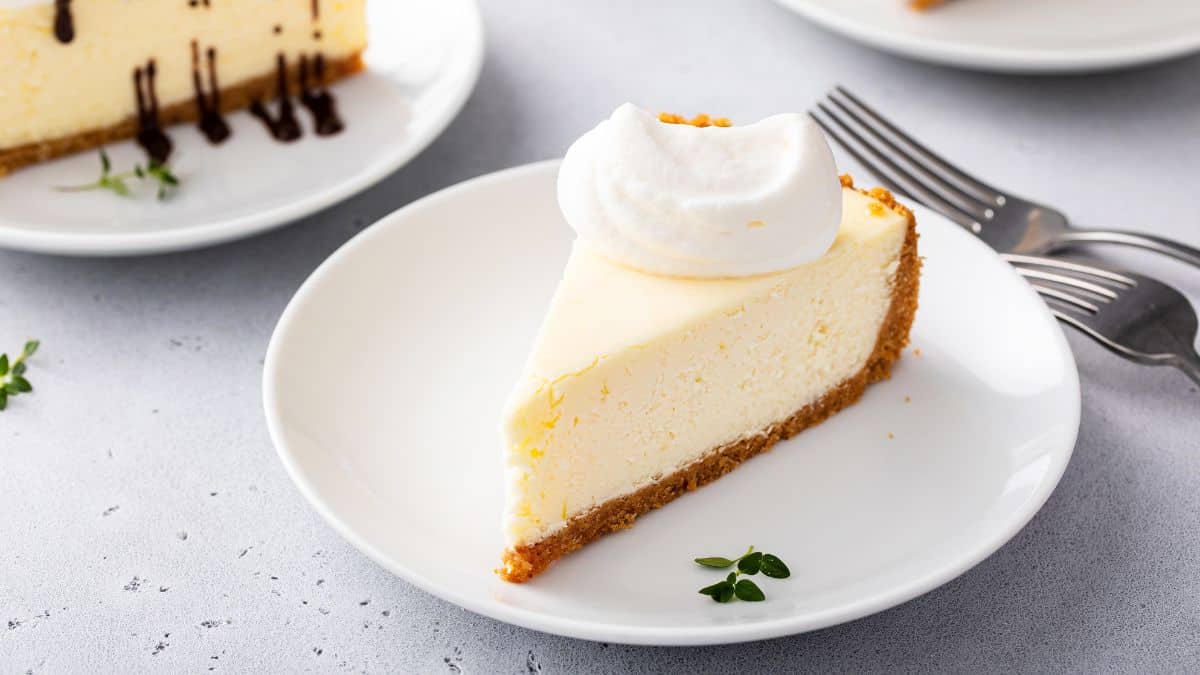
Cheesecake is often thought of as a New York dessert, but its roots go back to ancient Greece. It was served to athletes during the first Olympic Games, and the Romans later spread the recipe throughout Europe.
Centuries later, immigrants in America added cream cheese, creating the rich version known today. Each region has its own twist, from Italian ricotta cheesecake to Japanese fluffy styles. Cheesecake is a dessert with a global past and local pride.
Chili
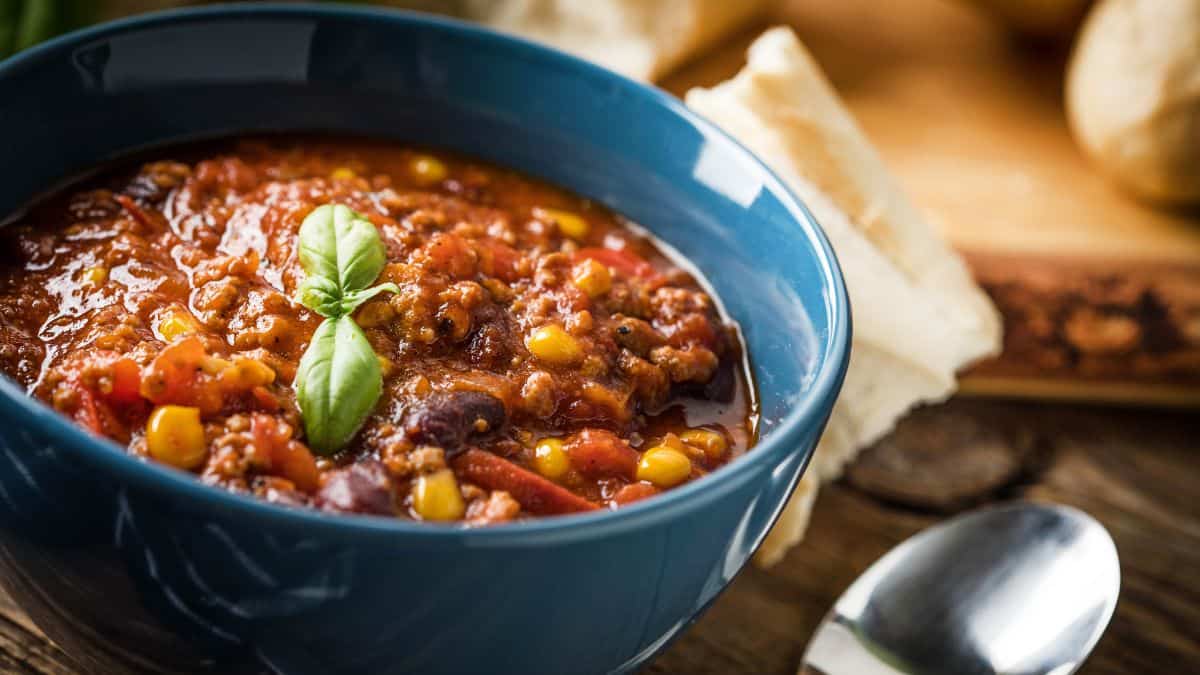
Chili has strong ties to the American Southwest. The dish blends Native American, Mexican, and Spanish influences. Cowboys and settlers made chili on the trail using dried meat, beans, and spices.
In the 1800s, “chili queens” in San Antonio sold it in open-air markets, helping popularize the meal. Today, chili cook-offs celebrate regional recipes and fierce competition. A bowl of chili carries centuries of cultural mixing.
Gumbo

Gumbo is the official state dish of Louisiana, and its story is as rich as its flavor. The word gumbo comes from an African word for okra, one of the dish’s key ingredients. French, Spanish, and Native American influences also shaped the recipe.
It developed as a blend of cultures in the American South. Each family often has its own gumbo recipe, passed down through generations. Gumbo is more than food, it’s a symbol of community and history.
Croissants

Croissants may be French icons, but they actually trace back to Austria. The kipferl, a crescent-shaped bread, inspired the croissant when bakers in Paris adapted it. The flaky layered dough we know today was perfected in France in the 1800s.
Croissants became a staple of French breakfasts and cafés. They spread worldwide as a symbol of elegance and comfort. Their story shows how foods can travel and transform across borders.
Rice Krispies Treats

Rice Krispies Treats were first created in 1939 by Kellogg’s employees. The recipe was designed for a fundraiser at a children’s group. The combination of cereal, marshmallows, and butter was so simple yet so popular.
It quickly spread to kitchens across America. Today, the treats are sold pre-made, but homemade versions remain a favorite. What began as a charity recipe became a household snack.
Tacos

Tacos have been part of Mexican food culture for centuries. Early versions were simple tortillas filled with fish or small game. The word taco may have come from miners in the 1800s who wrapped explosives in paper, which resembled the folded tortillas.
Tacos later evolved with endless fillings and regional styles. Mexican immigrants introduced them to the United States, where they became mainstream. Tacos prove how a simple dish can hold deep cultural meaning.
Jelly Beans

Jelly beans became especially popular in the United States during the Civil War. They were one of the first candies sold by the piece instead of by weight. Their hard shell and chewy inside were inspired by Turkish delight.
In the 20th century, jelly beans became tied to Easter traditions. President Ronald Reagan famously kept jars of them in the White House. A small candy ended up with big cultural connections.
Macaroni and Cheese

Macaroni and cheese may seem like a purely American comfort food, but it has European roots. Thomas Jefferson brought the dish to America after he tried it in France. He even served it at a state dinner.
In the 1930s, boxed versions made it easier for families during the Great Depression. It became a staple in households across the country. What began as a gourmet meal turned into a beloved classic.
Cupcakes
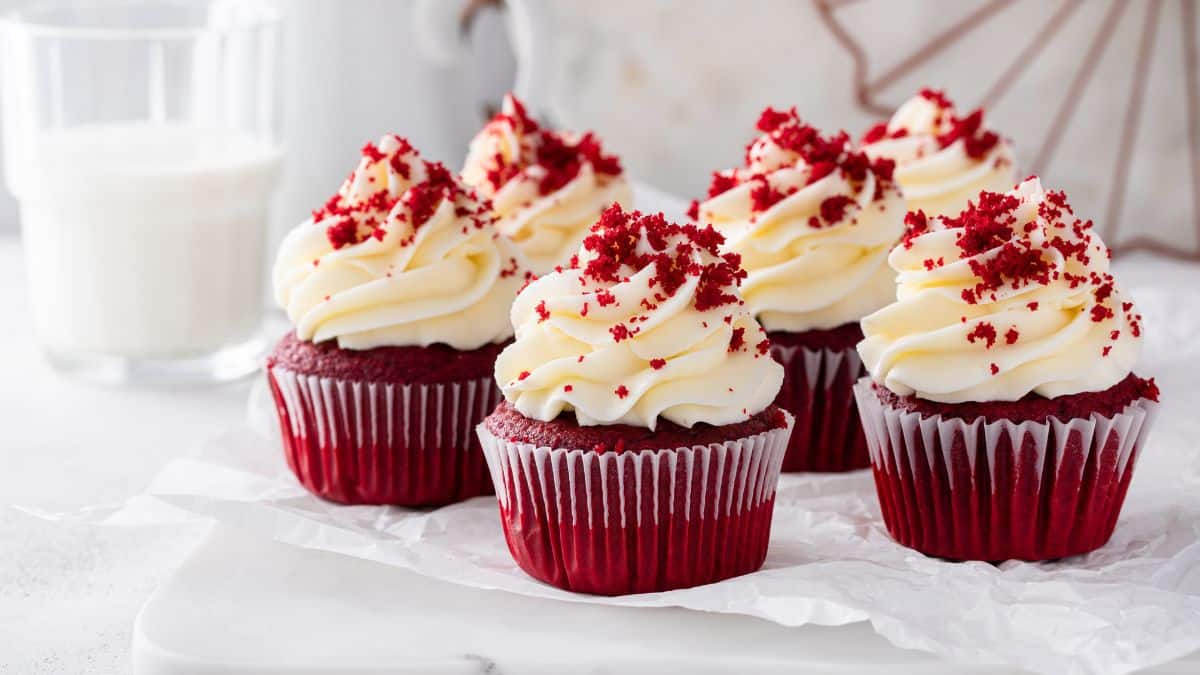
Cupcakes were first baked in the 1800s and named because the ingredients were measured in cups. They were also small enough to be baked in teacups. This made them easier to cook than large cakes.
Over time, cupcakes became a treat for parties and celebrations. In the 2000s, cupcake shops turned them into gourmet desserts. A simple baking trick turned into a sweet industry.


Leave a Reply