• Skip to main content
  • Skip to primary sidebar
Blues Best Life
menu icon
go to homepage
  • Recipes
  • How To
  • Contact
  • About
  • Work With Me
    • Facebook
    • Instagram
    • Pinterest
  • search icon
    Homepage link
    • Recipes
    • How To
    • Contact
    • About
    • Work With Me
    • Facebook
    • Instagram
    • Pinterest
  • ×
    Home » Articles

    15 Foods That Were Smuggled Across Borders for Unique Reasons

    Published: Feb 12, 2026 by Syed Wasif

    • Facebook
    Food can sometimes take on a life of its own, especially when people go to great lengths to move it across borders. From historical events to modern trade regulations, certain foods have been smuggled for reasons that go beyond simple consumption. These stories reveal fascinating insights about culture, economics, and human ingenuity.

    Truffles: The Earthy Luxury
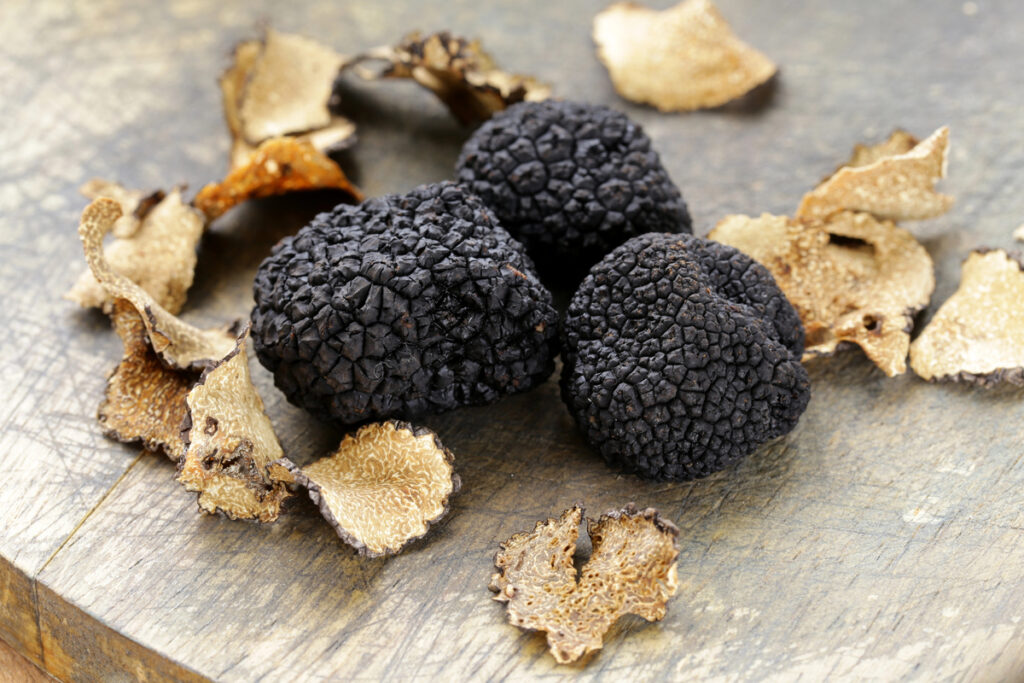
    Black Truffles
    Image Credits: Depositphotos/Dream79.
    Truffles, one of the most expensive ingredients in the world, have often been smuggled due to their high demand and limited availability. Hunters sometimes cross into neighboring countries to collect them illegally, avoiding restrictions. Smugglers use clever techniques like hiding them in shipments of other produce. Some even train dogs or pigs to locate these underground treasures discreetly. The rarity of truffles and the hefty price tag make them a prime target for smuggling networks.

    Cheese: Illegal Wheels on the Move

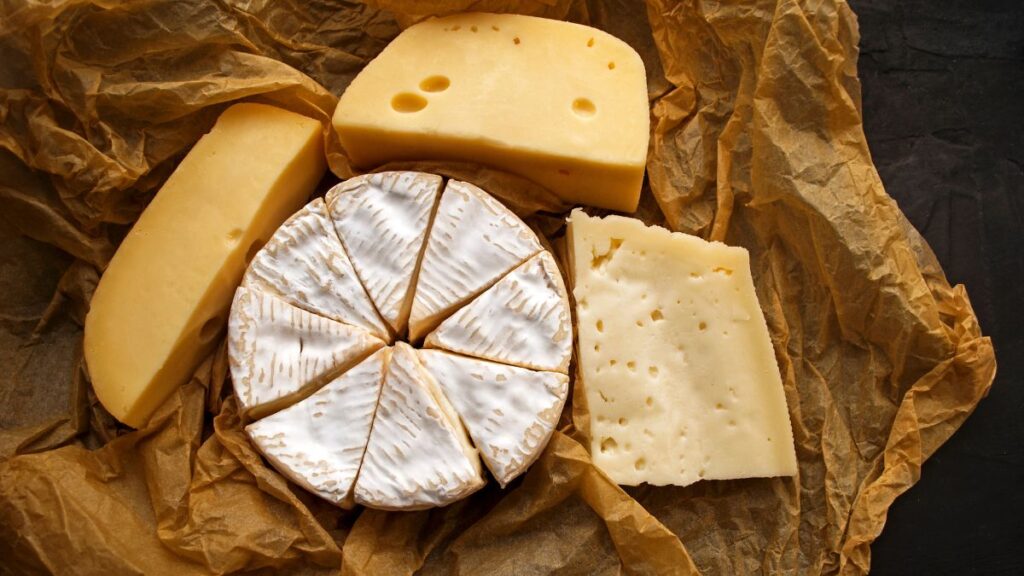
    Cheese in Parchment Paper
    Image Credits: Depositphotos/Alina_ptashka.
    Cheese smuggling often arises from taxes or bans on unpasteurized varieties. Gourmet enthusiasts and chefs are known to sneak rare cheeses across borders for authentic culinary experiences. Customs officials occasionally find wheels of cheese tucked into suitcases or disguised as other items. In some cases, the smuggled cheeses are part of an underground trade catering to high-end restaurants. The obsession with certain cheeses can lead to risky and creative transportation methods.

    Caviar: Smuggling the Black Gold

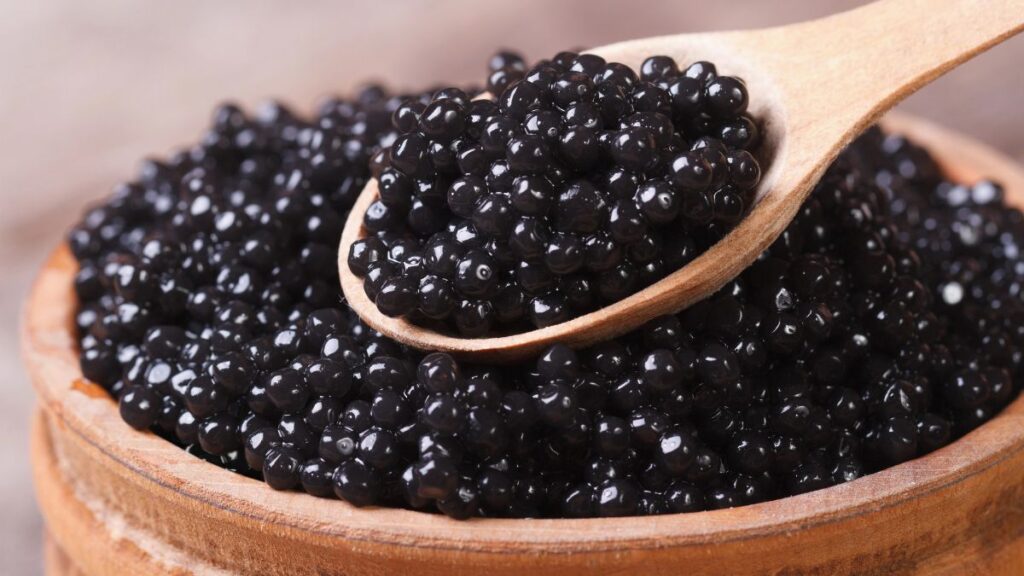
    Caviar
    Image Credits: Depositphotos/lenyvavsha.
    The demand for high-quality sturgeon caviar has driven a lucrative smuggling trade. Strict fishing laws and endangered species protections make it difficult to acquire legally. Smugglers frequently hide tins of caviar in vehicles or even inside clothing. Organized crime networks have been known to traffic caviar across continents for wealthy clients. Its status as a luxury item keeps it at the center of numerous border scandals.

    Avocados: The Green Gold Rush

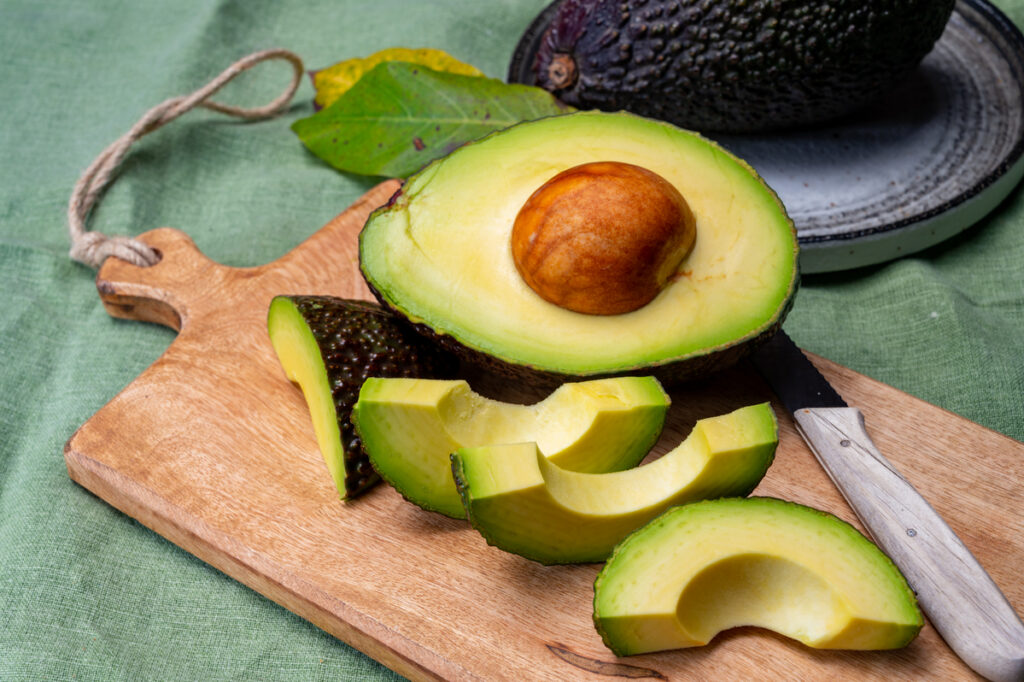
    Healthy food, fresh ripe hass avocado fruit from Peru
    Image Credits: Depositphotos/foto-pixel.web.de.
    Avocados have been smuggled across borders due to their skyrocketing popularity and price. In regions where tariffs or trade disputes limit their availability, smugglers step in to meet demand. Some farmers illegally transport avocados to avoid local cartel interference. Their status as a trendy superfood amplifies the appeal of this lucrative, albeit illegal, trade. The avocado craze has led to a surprising black market.

    Sugar: The Sweet Contraband

    a spoon pouring sugar
    Image Credits: Depositphotos/BrianAJackson.
    Sugar smuggling often happens in countries with high taxes or price controls. In some regions, sugar is hidden in bulk shipments of other goods to avoid detection. Smugglers cater to bakeries and businesses struggling with regulated prices. This simple staple has caused economic disruptions and led to heated debates about fair trade. Its seemingly humble nature disguises a history of sneaky cross-border movement.

    Coffee: Brewing Trouble Across Borders
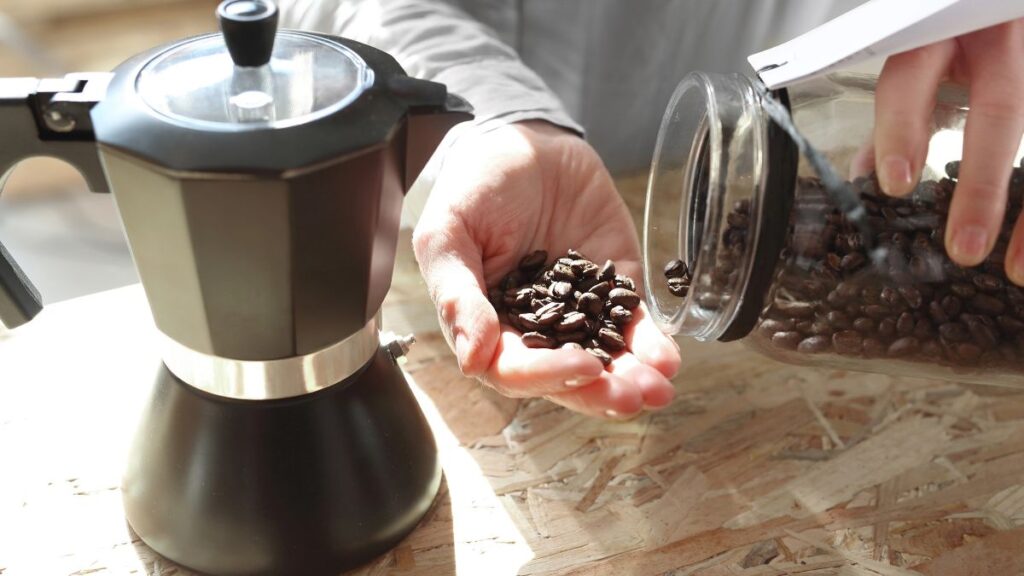
    brew coffee
    Image Credits: Depositphotos/robertprzybysz.
    Coffee has been smuggled for centuries, whether due to trade restrictions or high tariffs. In some cases, smugglers grind beans to conceal their true origin. High-end varieties like Kopi Luwak are sometimes trafficked to avoid expensive certifications. Coffee's role as a global commodity makes it a frequent player in border smuggling cases. Whether it’s for profit or passion, people have risked a lot to keep their caffeine flowing.

    Mangoes: A Taste Worth Risking

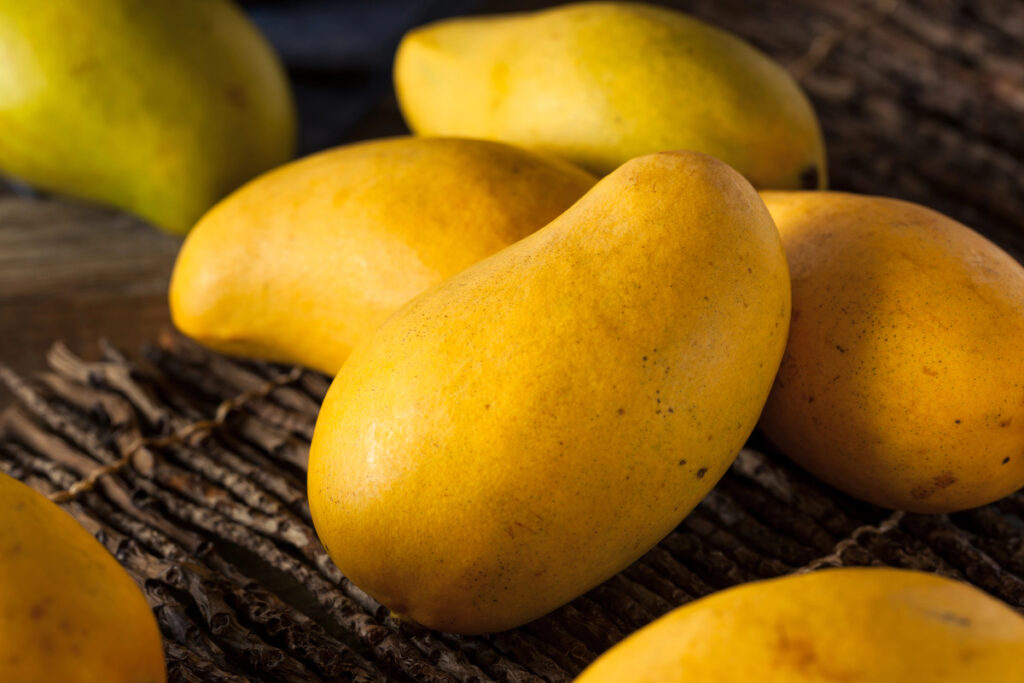
    Mangoes
    Image Credits: Depositphotos/bhofack2.
    Mangoes have been smuggled for their unique flavor and sentimental value, especially in diaspora communities. Seasonal varieties from specific countries inspire devotion, leading people to hide them in luggage or mail packages. Trade restrictions often heighten the allure of exotic mangoes, creating an underground market. Customs agents sometimes seize crates of the fruit wrapped in inconspicuous packaging. Their sweet, juicy appeal crosses not only borders but hearts.

    Spices: Smuggling Flavor

    spices with labels
    Image Credits: Depositphotos/belchonock.
    Smuggling spices has a long history rooted in colonial trade wars and monopolies. Today, rare or banned spices like saffron or khat still covertly make their way across borders. Some are hidden in shipments of more common goods or disguised as similar-looking products. The trade persisted because spices were compact, valuable, and culturally significant. This ancient practice continues to spice up modern border disputes.

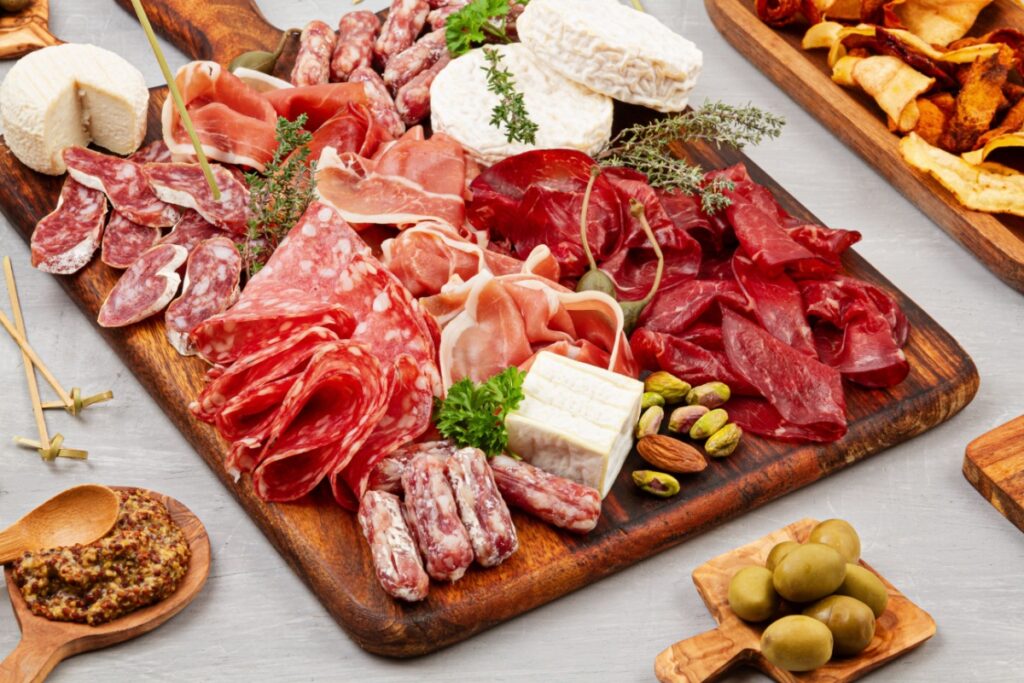
    Meat: Contraband Cuts of Protein

    antipasti charcuterie meats and cheese
    Image Credit: Shutterstock.
    Meat is often smuggled due to health regulations or cultural preferences. In some cases, smugglers transport exotic or endangered animal meats that are banned in certain regions. Frozen or processed meats are sometimes mislabeled to dodge inspections. The underground trade caters to consumers willing to pay a premium for forbidden delicacies. This hidden market can have significant public health implications.

    Wine: Bottles of Border Drama

    pouring red and white wine
    Image Credits: Depositphotos/belchonock.
    Wine smuggling arises from taxes, trade restrictions, or the desire for rare vintages. Some smugglers pass off high-value bottles as inexpensive wines to avoid duty fees. The practice is popular among collectors and restaurateurs who seek exclusive selections. Hidden compartments in vehicles or luggage often play a role in these operations. The passion for fine wine can lead to surprisingly elaborate schemes.

    Chocolate: The Bitter-Sweet Journey

    candy bars grocery checkout line
    Image Credit: Sheila Fitzgerald/Shutterstock.
    Chocolate has occasionally been smuggled to bypass regulations on cocoa products. High-end chocolates made with rare beans or unique techniques are a common target. Some smugglers melt or repackage chocolate to disguise its origins. The demand for ethical or exclusive brands adds another layer of intrigue. This decadent treat has been at the heart of surprising smuggling operations.

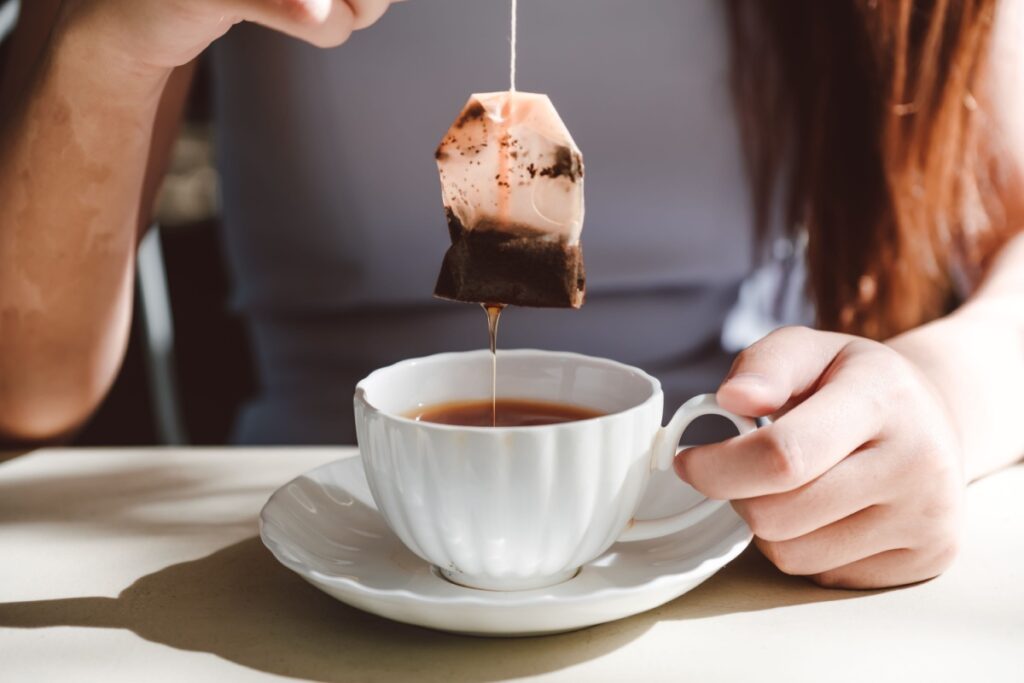
    Tea: Trafficking the Leaves

    woman dipping tea bag into tea cup
    Image Credit: Shutterstock.
    Tea has a history of smuggling tied to colonial monopolies and modern trade conflicts. Premium loose-leaf varieties, in particular, are often trafficked to avoid tariffs. Smugglers sometimes disguise tea as other dried goods or compress it into unrecognizable forms. The cultural and historical significance of tea adds to its allure as a contraband item. Its enduring popularity ensures it remains a smuggling target.

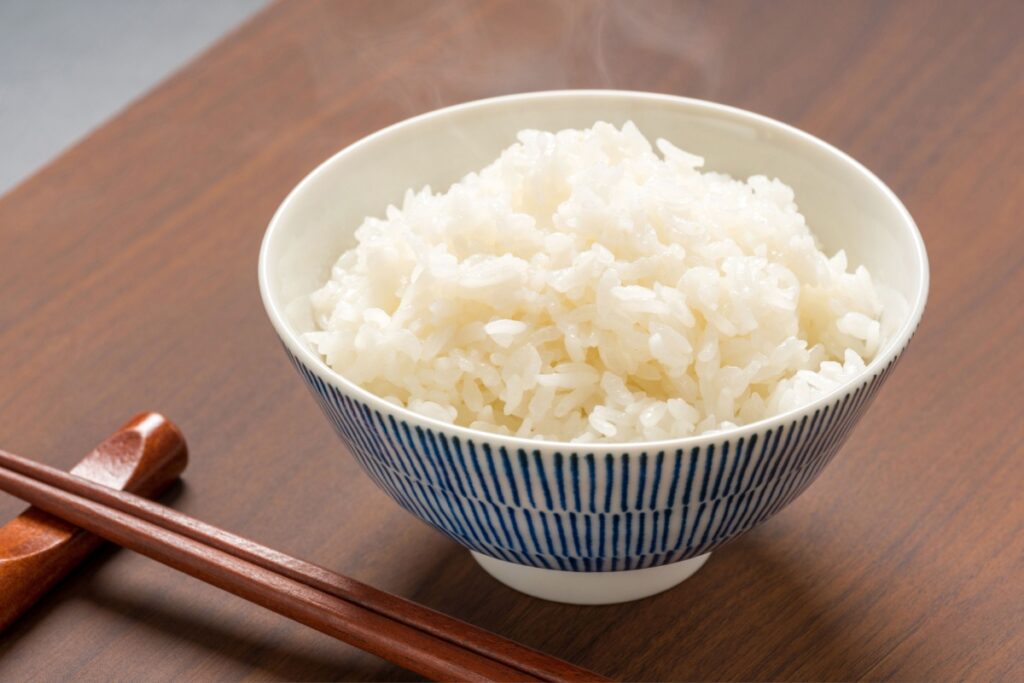
    Rice: Crossing Borders in Bags

    cooked rice in a bowl chopsticks
    Image Credit: Shutterstock.
    Rice smuggling often happens in regions with subsidies or export restrictions. Some smugglers transport rice across borders to exploit price differences between countries. Hidden compartments in vehicles or boats are common tools in this trade. Rice's role as a staple food makes it a high-demand item in black markets. The global rice trade occasionally finds itself embroiled in these covert operations.

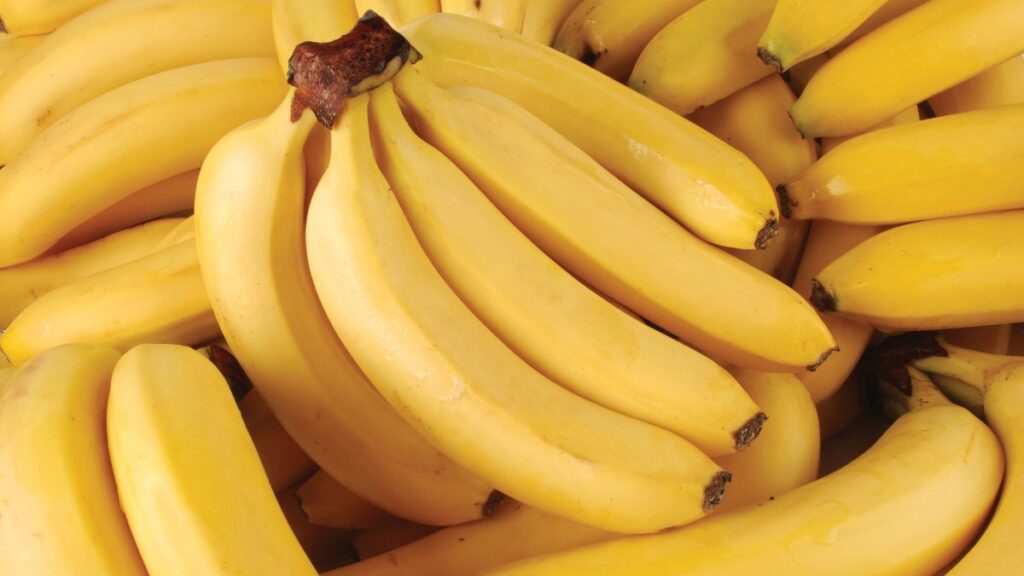
    Bananas: Contraband Fruit

    bananas
    Image Credits: Depositphotos/MSeN.
    Bananas have been smuggled not just for food but as cover for other illegal items. Their uniform size and lightweight nature make them a convenient disguise for contraband. In some cases, smugglers exploit differences in agricultural policies to move bananas across borders. Their association with tropical regions and high consumption rates fuels demand. The banana trade occasionally serves as a front for much larger operations.

    Alcohol: Bootlegging’s Modern Twist

    blue and yellow apple cider gummy bear cocktail
    Image Credit: Shutterstock.
    Alcohol smuggling persists in areas with strict liquor laws or prohibitive taxes. Bottles are often hidden in shipments of other goods or transported through unofficial routes. Some smugglers cater to underground bars or private collectors seeking rare spirits. The trade can range from local bootlegging to large-scale international trafficking. Alcohol’s social and economic impact ensures its place in the world of contraband.

    More Articles

    Reader Interactions

    Leave a Reply Cancel reply

    Your email address will not be published. Required fields are marked *

    Recipe Rating


    Primary Sidebar

    Hi, I'm Bobbie! Welcome to Blue's Best Life. I'm a self-taught cook that loves to cook wholesome meals while still enjoying a truly decadent dessert, because there is always room for a little something sweet!

    More about me →

    Popular

    • Homemade Tzatziki Sauce
    • Greek Chicken Meatballs
    • Greek Salad Recipe with Dressing
    • Crockpot Sloppy Joes (From Scratch)

    Copyright © 2026 Blue's Best Life

    Privacy Policy