
Throughout history, certain foods were reserved for kings, queens, and nobility. These dishes symbolized wealth, power, and status. Over time, however, many of these once-exclusive foods became accessible to everyone, transforming into everyday favorites.
Want to Save This Recipe?
Enter your email & I'll send it to your inbox. Plus, get great new recipes from me every week!
By submitting this form, you consent to receive emails from Blue's Best Life.
Royalty
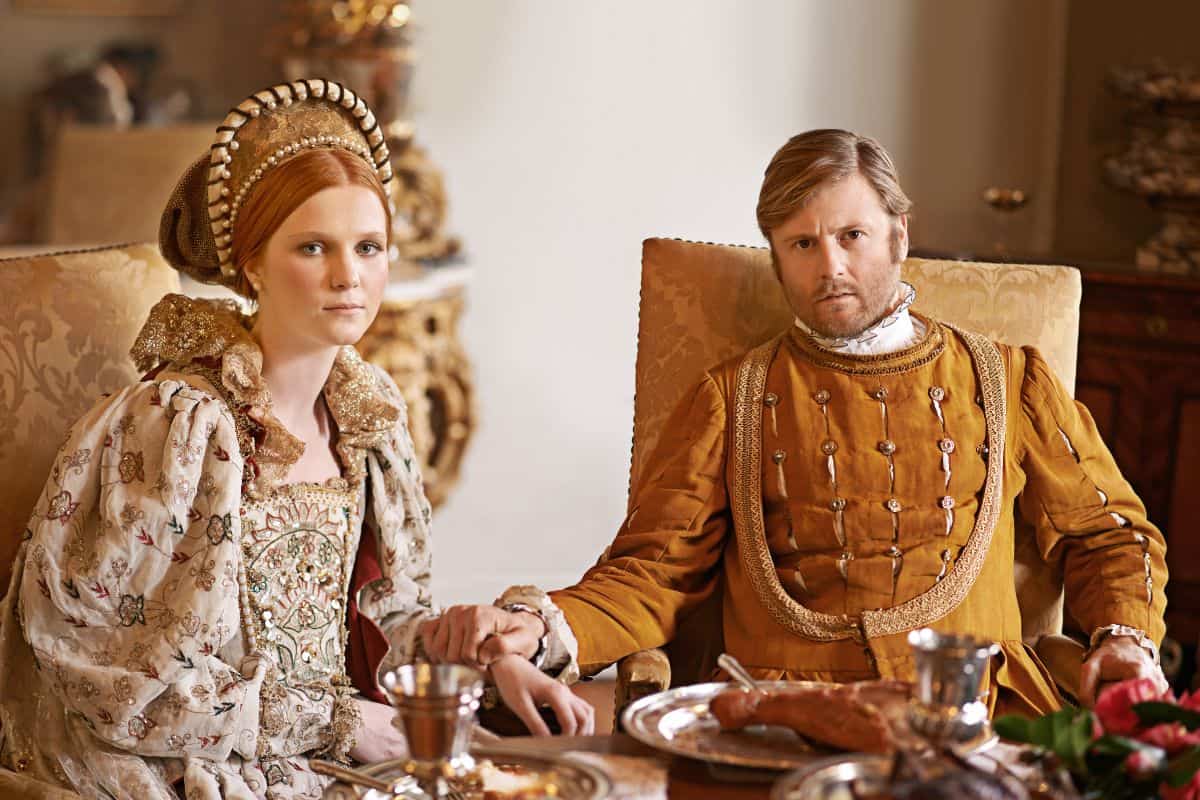
Their fascinating histories remind us of their luxurious origins, even as we enjoy them today without royal titles.
Chocolate

Centuries ago, chocolate was a treasured delicacy for Aztec and Mayan royalty. They consumed it as a bitter drink mixed with spices, believing it had divine and energizing properties.
When Europeans discovered cacao, it became a luxurious item for royal courts, sweetened and refined for elite palates. Over time, advancements in production made chocolate affordable and widely available. Today, it remains a beloved treat for all ages and occasions.
Truffles
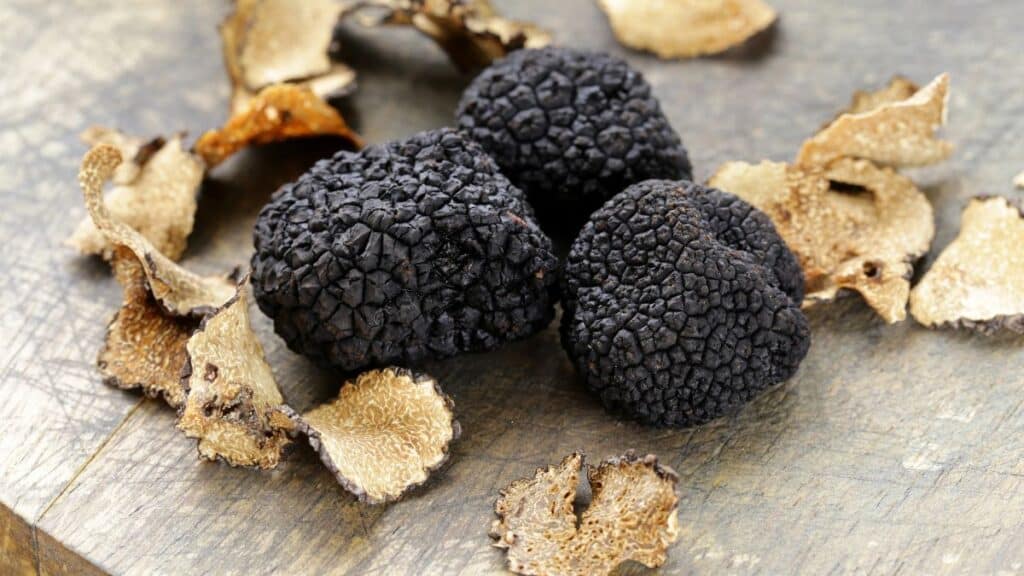
Truffles, especially the rare white variety, were once known as the “diamonds of the kitchen.” European royalty cherished their earthy aroma and unique flavor. Their rarity made them a symbol of exclusivity and wealth.
Despite being more accessible today, truffles remain a prized ingredient in fine dining. They now enhance everything from pasta to fries, bringing a touch of luxury to everyday meals.
Lobster
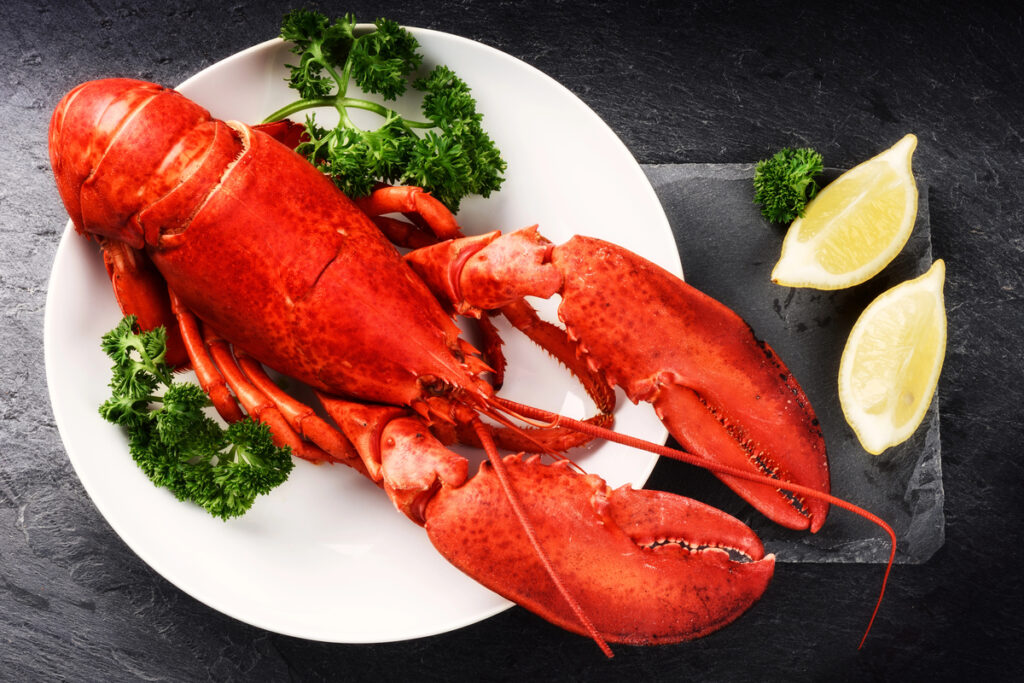
Once considered “sea bugs” by fishermen, lobster was a cheap food for the poor or prisoners. However, in the 19th century, its status shifted as chefs began preparing it as a delicacy for the wealthy.
Lobster quickly gained popularity in royal feasts and upscale dining. Today, while still a symbol of indulgence, it’s more accessible at restaurants and markets. Its transformation highlights the power of culinary innovation.
Ice Cream
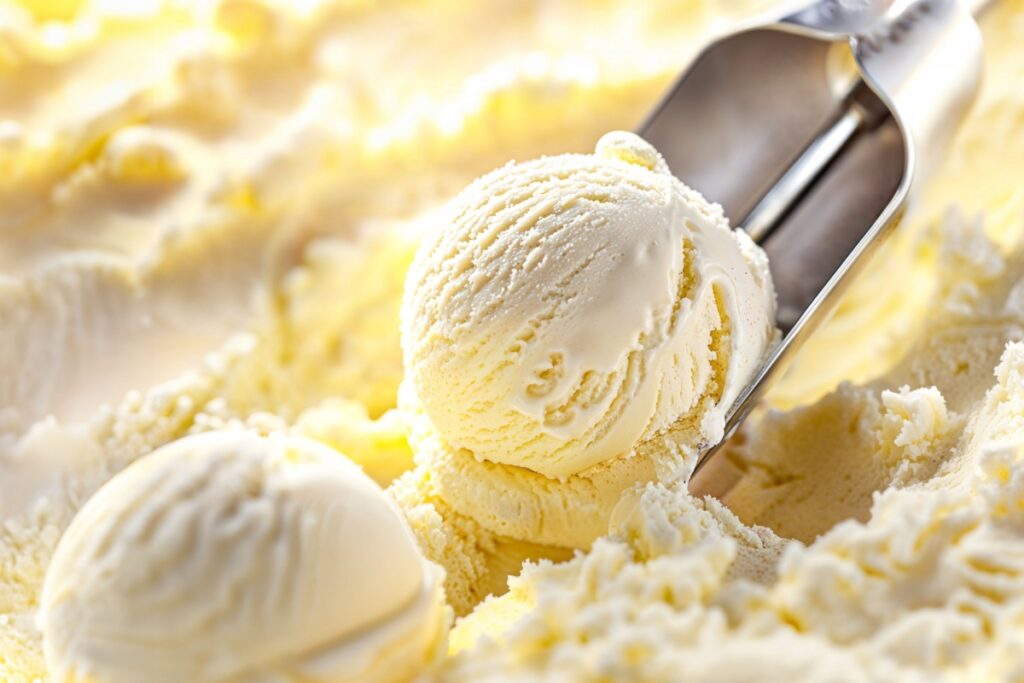
Ice cream has a history rooted in ancient royal courts. Chinese emperors enjoyed frozen mixtures of milk and rice, while European monarchs indulged in icy treats flavored with fruit and honey. Its labor-intensive preparation once kept it exclusive to the rich. With the invention of refrigeration, ice cream became a common dessert. It’s now a summertime favorite, available in endless flavors worldwide.
Saffron
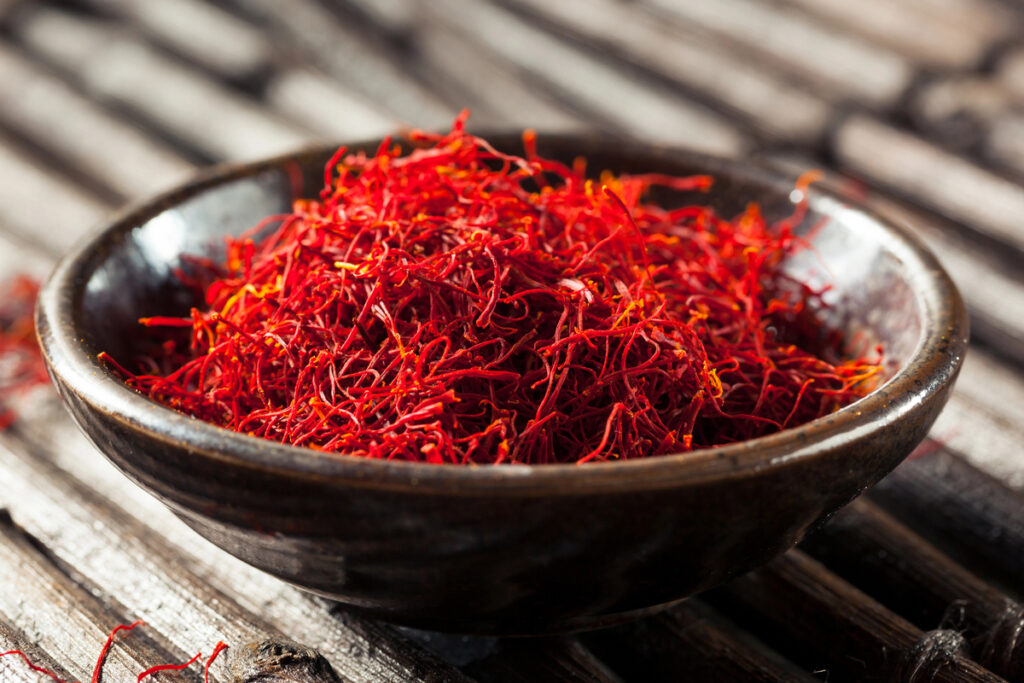
Saffron, the world’s most expensive spice, was historically reserved for kings and queens. Its vibrant color and unique aroma made it a prized addition to royal dishes. Ancient texts describe its use in perfumes, medicines, and even as currency. Although still pricey, saffron is now accessible in small quantities for home cooks. It elevates dishes like paella and biryani with a touch of royalty.
Caviar
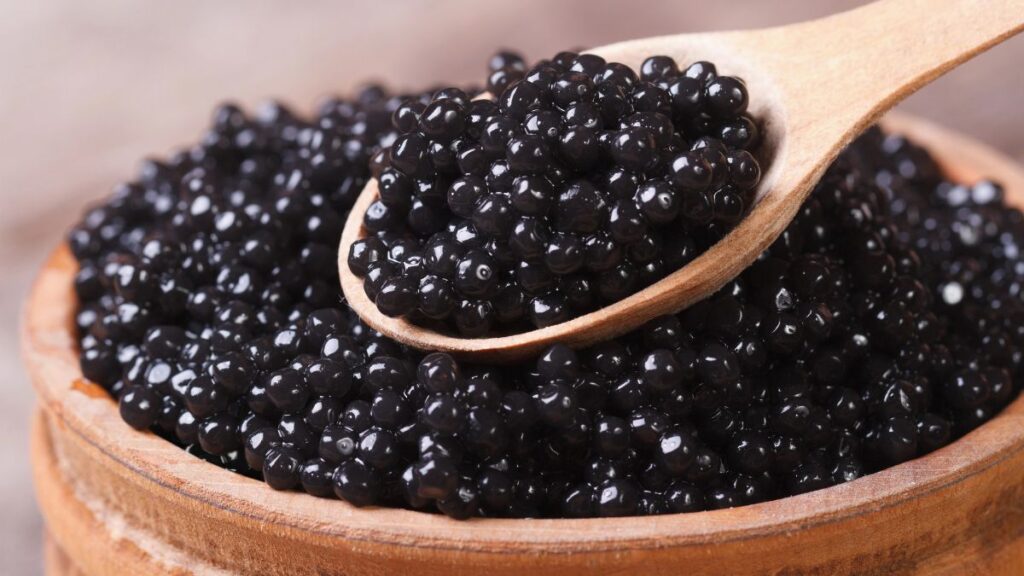
For centuries, caviar was a delicacy enjoyed exclusively by royalty and the aristocracy. Russian czars and Persian kings considered it the ultimate luxury. Harvesting sturgeon roe required immense effort, adding to its exclusivity.
Modern aquaculture has made caviar more available to the general public. While still considered a luxury item, it’s now served at events ranging from high-end dinners to casual gatherings.
Sushi
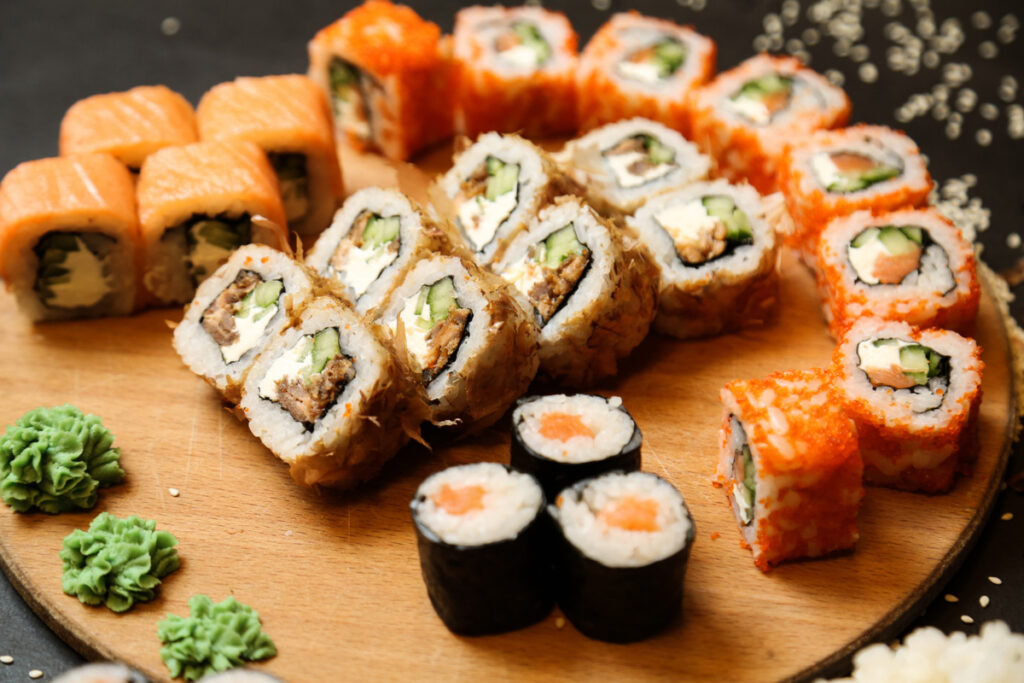
Sushi, in its earliest form, began as a preservation method for fish in ancient Japan. Over time, it evolved into a delicacy reserved for emperors and the elite. Chefs perfected techniques to create intricate and visually stunning sushi rolls.
Today, sushi is a global phenomenon, enjoyed by people from all walks of life. From high-end restaurants to supermarket counters, it’s a testament to culinary democratization.
Foie Gras

Foie gras, made from the liver of specially-fed ducks or geese, has long been associated with French nobility. Its rich and buttery flavor made it a staple at royal banquets. The labor-intensive process to produce it ensured its exclusivity.
Now, foie gras is available in gourmet shops and fine dining establishments around the world. It remains a controversial but revered luxury food.
Pineapple
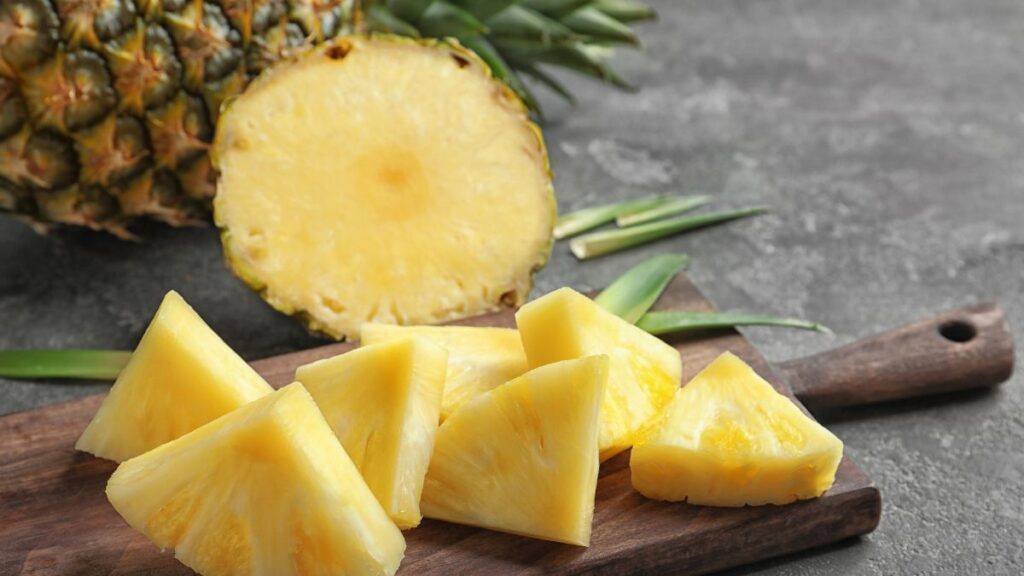
Pineapples were once a rare and exotic fruit, coveted by European royalty. Imported from the Americas, they were a symbol of wealth and hospitality. Displaying or serving pineapple was a way to impress guests.
With improved farming and transportation, pineapples became accessible to the masses. They’re now a common ingredient in tropical drinks and desserts, far removed from their regal past.
Coffee

Coffee’s journey from a rare Arabian luxury to a global staple is remarkable. It was first reserved for the wealthy in Europe, where coffeehouses became social hubs for the elite. Its energizing properties made it a favorite among royals and intellectuals. As cultivation spread to colonies, coffee became more affordable. Today, it fuels mornings and conversations for people everywhere.
Almonds
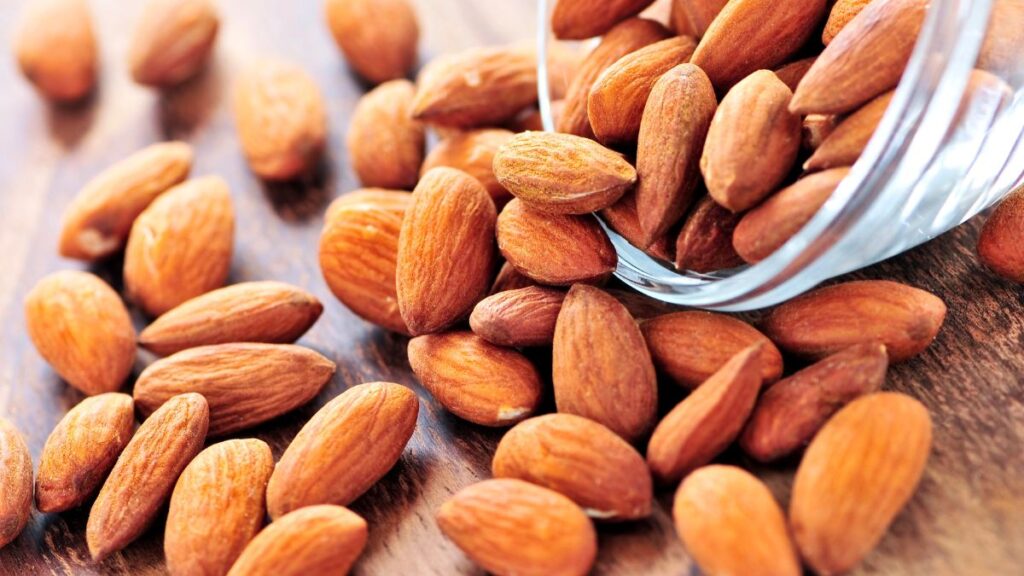
Almonds were a prized commodity in ancient royal courts due to their health benefits and versatility. Persian and European monarchs incorporated them into luxurious confections and feasts.
The almond’s popularity spread as trade routes expanded, but it remained expensive for centuries. Modern farming methods have made almonds widely available. They’re now a favorite in snacks, milk alternatives, and baked goods.
Bread
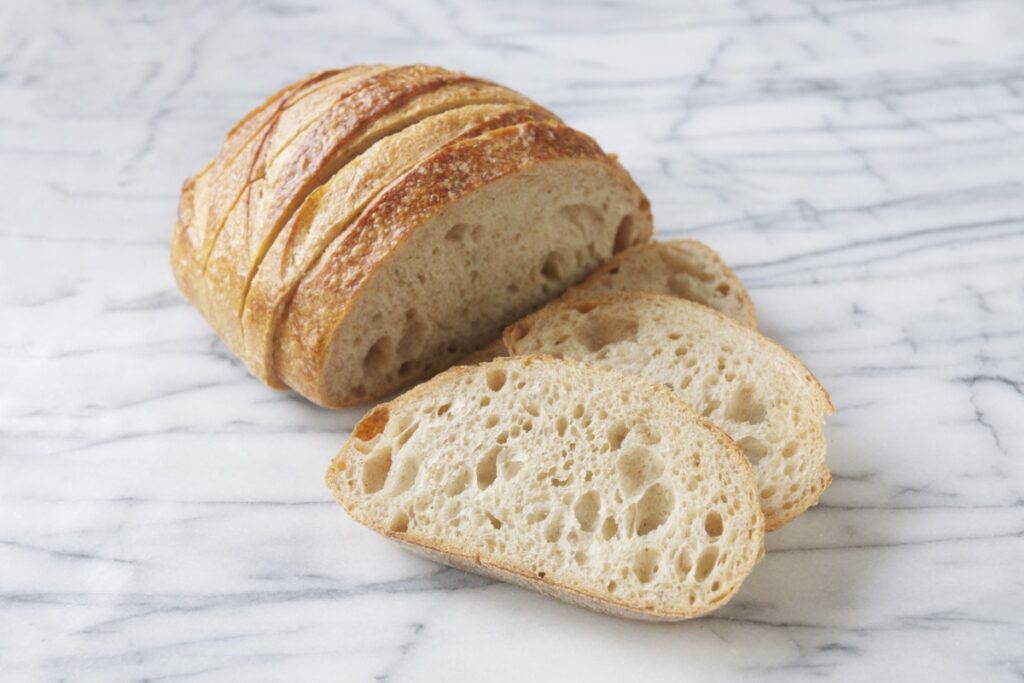
In medieval Europe, white bread was a luxury for royalty, while coarse, dark bread was for peasants. White bread symbolized refinement and high status. Its production required more labor, adding to its exclusivity.
As baking techniques evolved, white bread became accessible to all. Although artisan and specialty breads have reintroduced an air of luxury, bread remains a staple across cultures.
Leave a Reply