
Sometimes the name of a food makes you expect one thing, but the taste turns out completely different. These foods can be surprising, confusing, or even funny when you finally try them. Some of them sound sweet but are actually savory, while others sound light but taste heavy.
Want to Save This Recipe?
Enter your email & I'll send it to your inbox. Plus, get great new recipes from me every week!
By submitting this form, you consent to receive emails from Blue's Best Life.
Over time, many of these names stuck because of history, tradition, or where they came from. While the names may not match the flavor, they’ve still become popular foods people worldwide eat. Let’s explore some of the most misleading food names out there.
Sweetbreads

Sweetbreads sound like a type of dessert, maybe a cake or pastry. In reality, they are not sweet at all and have nothing to do with bread. Sweetbreads are made from the thymus or pancreas of animals, usually veal or lamb.
Their taste is mild, creamy, and rich, more like meat than anything sweet. The name comes from old English, where “sweet” meant soft and “bread” meant a lump of food. It is a dish that surprises many first-time eaters.
Rocky Mountain Oysters

At first, the name makes you think of seafood pulled from the ocean. However, Rocky Mountain oysters are not shellfish or oysters at all. They are actually deep-fried bull balls, a delicacy in certain parts of the American West.
The dish is often served at festivals and bars as a novelty food. The flavor is more like chewy meat than anything from the sea. The name was likely chosen to make the dish sound more appetizing.
Head Cheese
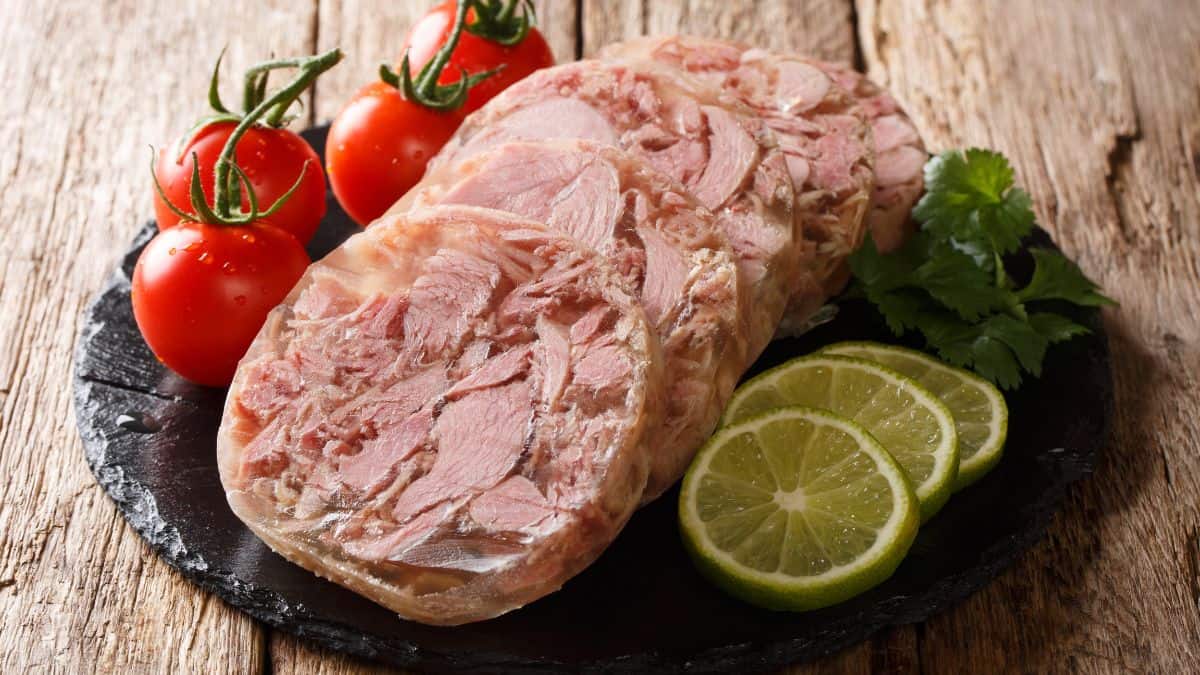
The name suggests it might be some kind of dairy product or flavored cheese. Instead, head cheese is made by boiling a pig's head or calf's head until the meat and collagen form a jelly.
It is sliced like cold cuts and eaten in sandwiches. The flavor is savory, meaty, and rich, not cheesy at all. The “cheese” in the name refers to the way it is molded and sliced. For many people, the taste is much different than the name suggests.
Hot Dogs

When people first hear the name, it sounds like it could be spicy or connected to dogs. Thankfully, hot dogs are simply beef, pork, or chicken sausages. The taste is salty, smoky, and savory, not really “hot” in spice.
The name came from old cartoons and jokes about long and dog-shaped sausages. Over time, “hot dog” became the normal way to describe them. Despite the odd name, it is one of the most popular foods in America.
Hamburgers
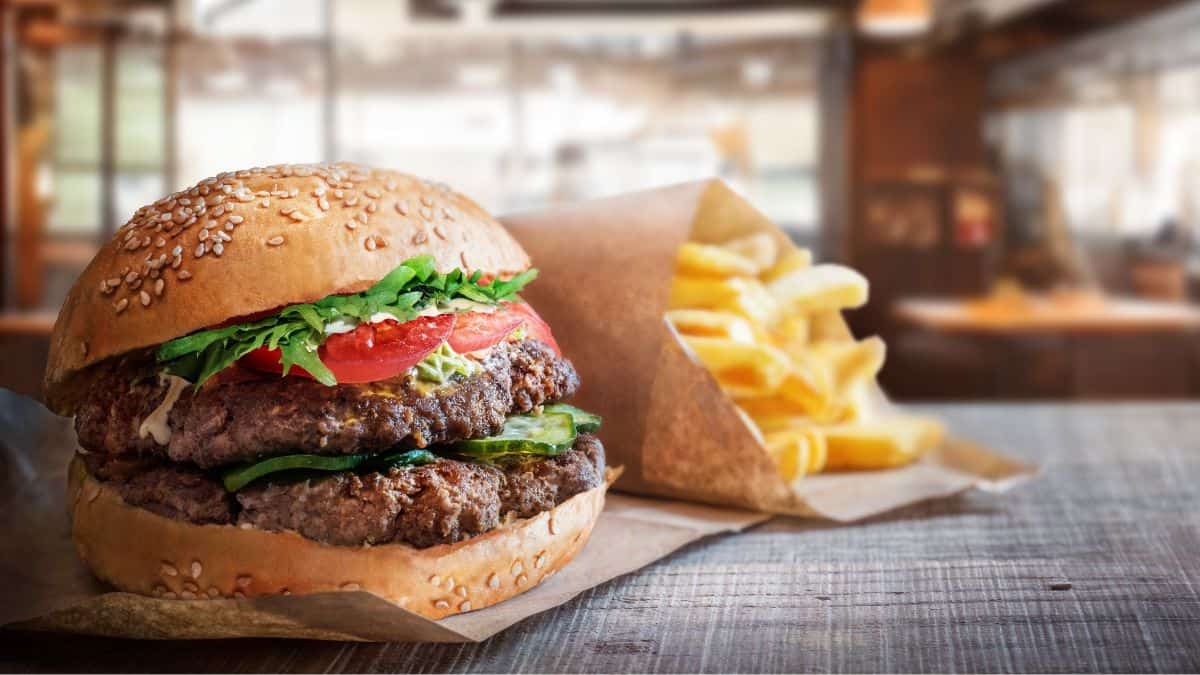
The word hamburger can confuse people because it sounds like it should contain ham. In fact, the meat is ground beef, not pork at all. The name comes from Hamburg, Germany, where the beef patty style was first popularized.
Hamburgers today are often served with buns, cheese, lettuce, and tomato. The flavor is meaty, juicy, and savory, nothing like ham. The name is misleading, but the taste has made it a worldwide favorite.
Buffalo Wings
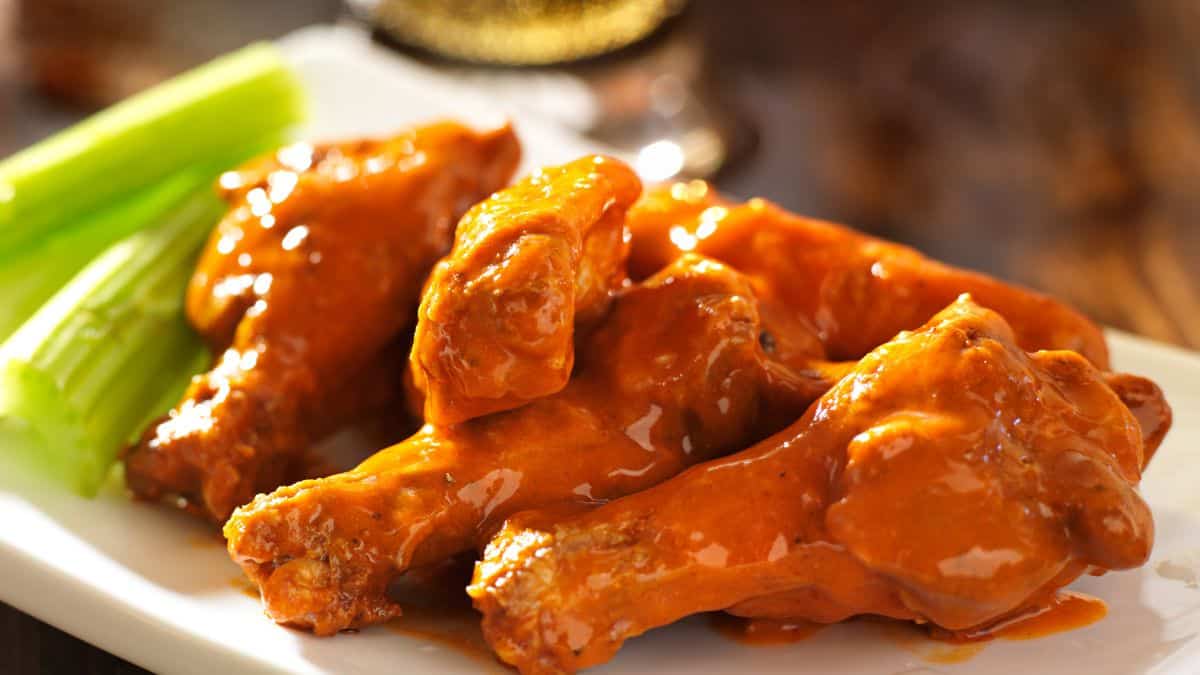
The name makes you imagine wings from a buffalo, which sounds impossible. The truth is that Buffalo wings are chicken wings coated in hot sauce. They got their name from Buffalo, New York, which created the dish in the 1960s.
The flavor is spicy, tangy, and buttery, unrelated to buffalo meat. Today they are a classic food for sports games and parties. The name has tricked many people before they learned the real story.
Jerusalem Artichokes
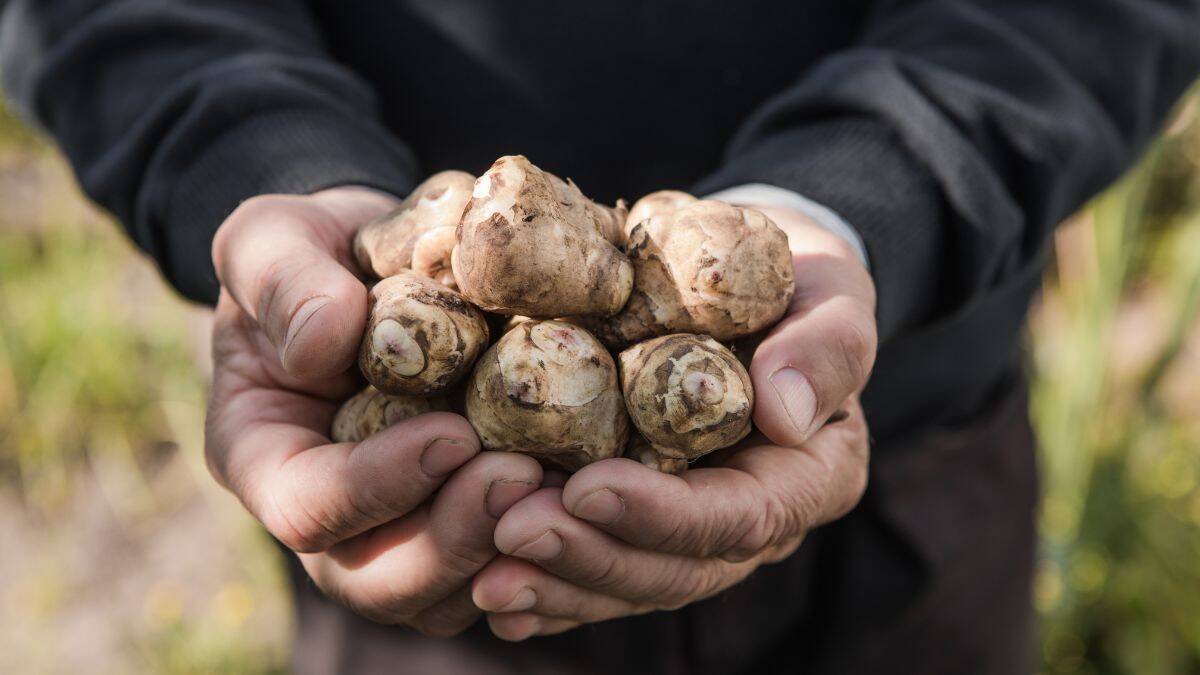
This food sounds like it should come from Jerusalem and taste like artichokes. In reality, it is a root vegetable that grows in North America and tastes more like a potato. Jerusalem artichokes are also called sunchokes and have a nutty, sweet flavor.
The name “Jerusalem” came from a mistaken translation of the Italian word “girasole,” meaning sunflower. They are neither from Jerusalem nor related to artichokes. The flavor is earthy and mild, not what the name suggests.
Eggplant
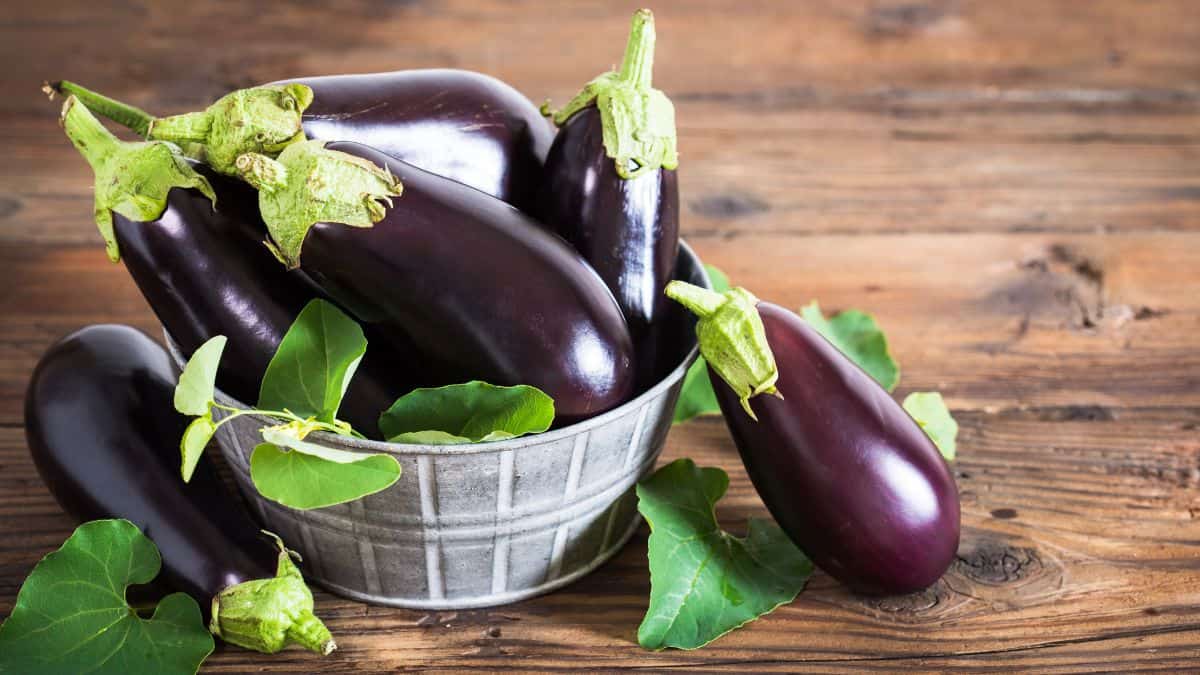
The name makes you expect something that tastes like eggs or has a similar texture. But eggplants taste nothing like eggs and are actually a type of nightshade vegetable. In some parts of the world, they are called aubergines, which better reflects their unique identity.
The taste is mild, slightly bitter, and spongy, becoming creamy when cooked. The name came from old varieties of the plant that were small and white, looking like eggs. Today, most eggplants are purple, which makes the name even more confusing.
Grapefruit
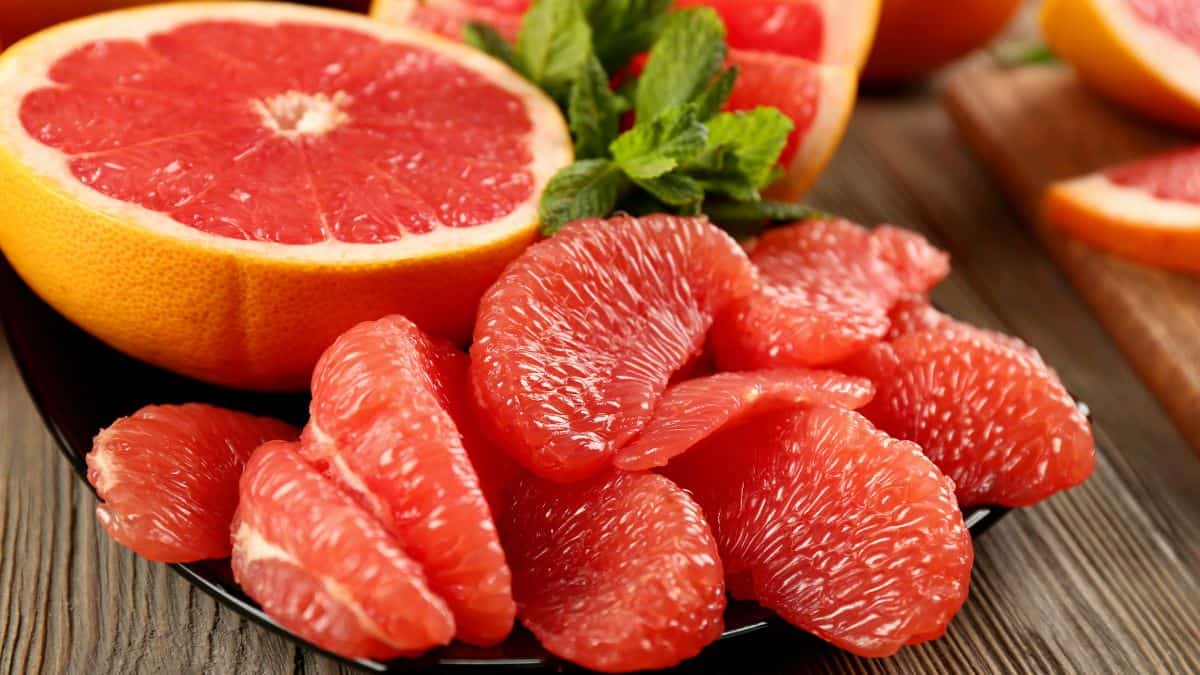
Grapefruit sounds like it should taste sweet and juicy like grapes. Instead, grapefruits are large, sour, and bitter citrus fruits. Their flavor can be refreshing, but many people find it sharper than expected.
The name comes from the way the fruits grow in clusters that resemble grapes. Despite the name, they share no real connection to grapes. The flavor is closer to lemons and oranges than anything grape-like.
Chili Peppers

The word chili usually conjures up images of a warm stew or a mild spice. Chili peppers, on the other hand, are fiery vegetables used to make dishes hot and spicy. The burning sensation of some peppers can be extremely painful.
The name “chili” actually comes from the Nahuatl word “chīlli,” which means pepper. Chili's flavor is sharp, pungent, and often overpowering, not cozy like a bowl of chili stew. The name often surprises people who expect something gentler.
Boston Cream Pie

This dessert sounds like it should be a pie, but it is actually a cake. Boston cream pie is made with layers of sponge cake filled with custard and topped with chocolate glaze. The name stuck because cakes and pies were often baked in the same pans in the 1800s.
The flavor is sweet, creamy, and chocolatey, more like a fancy cake than a pie. Despite the misleading name, the dessert has become an American classic. Many first-timers are surprised when they realize it is cake.
French Fries

French fries are often thought to have originated in France. However, the dish actually originated in Belgium, where potatoes were fried in the 1600s. American soldiers during World War I likely added the name “French.”
French fries taste salty, crispy, and comforting, but they are not French at all. The name continues to mislead people around the world. Despite the mix-up, they remain one of the most eaten side dishes ever.
Chicken Fingers
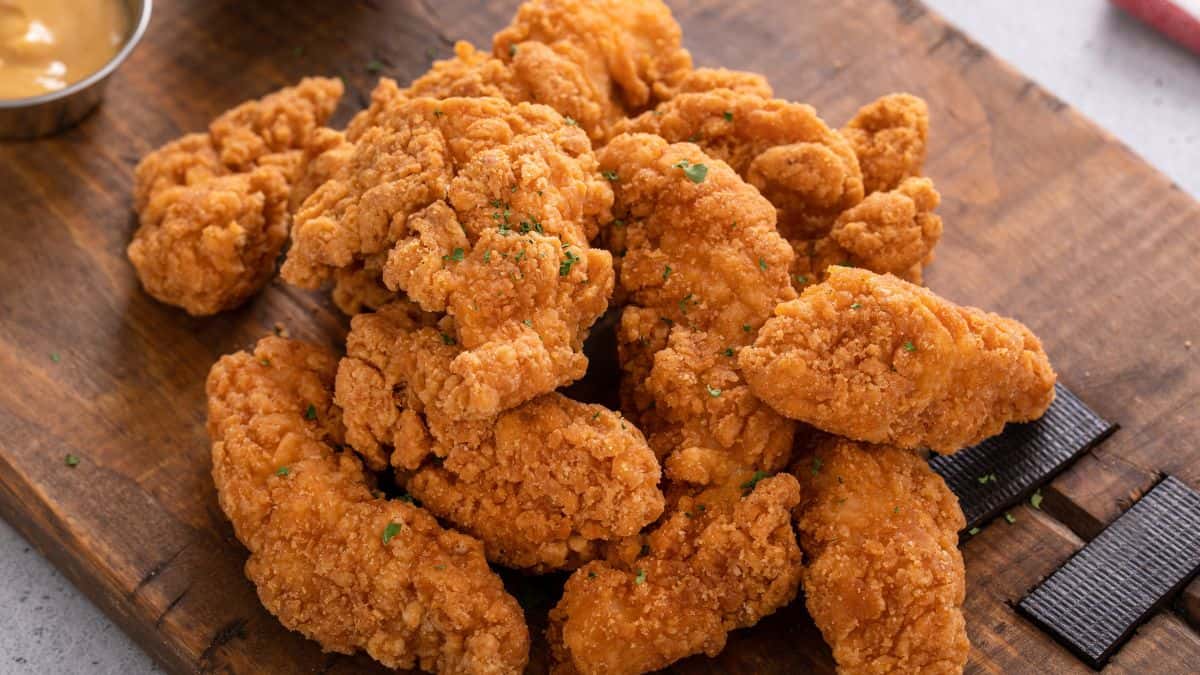
Chicken fingers sound like they might be actual parts of a chicken’s hand, which would be strange. In reality, they are strips of chicken breast that are breaded and fried. The taste is crunchy and tender on the inside, similar to nuggets.
The name comes from the finger-like shape, not from the body part of the animal. Children and adults love them because they are easy to eat. The flavor is simple and familiar, unlike the odd name.
Ladyfingers

Ladyfingers sound like they could be a delicate dish made from actual fingers, which would be unsettling. In truth, they are light sponge biscuits used in desserts like tiramisu. The name comes from their long, slim shape that looks like a finger.
Their flavor is sweet, airy, and perfect for soaking up coffee or cream. The name may not match the taste, but the dessert world would not be the same without them. People often laugh the first time they hear the name.
Mandarin Oranges

The name suggests that mandarin oranges might come from China and taste like the larger oranges we know. While some do come from Asia, they are also grown in many other parts of the world. The taste is much sweeter, softer, and less acidic than a regular orange.
The name “mandarin” was likely chosen because the fruit was first imported from China, where government officials were called mandarins. Still, the flavor is different from what many expect from an orange. The surprise is usually a pleasant one.




Leave a Reply