
Texture is becoming just as important as taste when enjoying food. The crunch of a chip, the crispiness of fried chicken, or the chewiness of a fresh-baked cookie bring unique pleasure. People are drawn to foods that feel good, making texture a key factor in cravings.
Want to Save This Recipe?
Enter your email & I'll send it to your inbox. Plus, get great new recipes from me every week!
By submitting this form, you consent to receive emails from Blue's Best Life.
More and more, chefs and food scientists focus on how food feels in the mouth, not just how it tastes. Texture can completely change how we experience flavor, making food more exciting and satisfying. Here’s why texture is taking the spotlight in the food world.
The Power of the Perfect Crunch
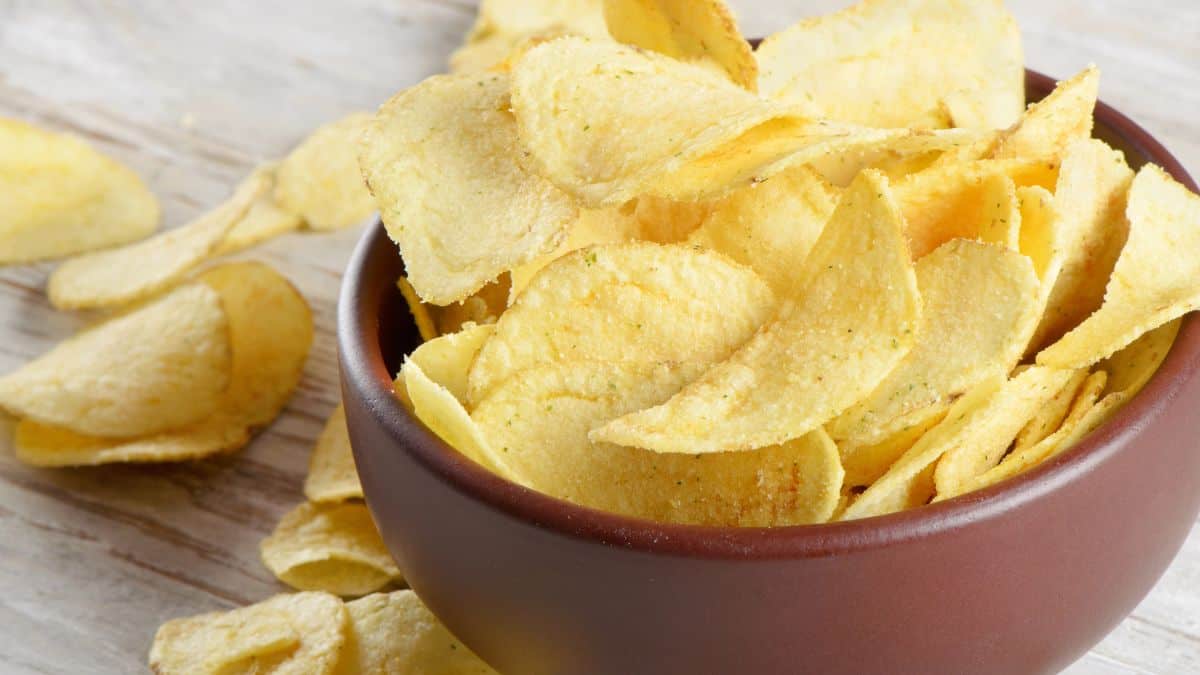
Biting into something crunchy is deeply satisfying. The sound alone can make food seem fresher and more enjoyable. A good crunch can enhance simple flavors, making even essential foods exciting.
Chips, crackers, and crispy fried foods are popular because their texture keeps people returning for more. The contrast between crunchy and soft textures in a single bite makes food even more appealing. This is why crispy toppings are often added to creamy dishes for balance.
Crispy Equals Freshness

Crispness is often associated with freshness, whether it's lettuce in a salad or a toasted sandwich. A soggy vegetable or a limp fry immediately feels unappetizing. When food is crisp, it signals that it was made with care and is at its peak quality.
People love freshly baked bread with a crispy crust or cold, crisp apples. The feeling of biting into something firm and fresh makes the eating experience much better. Without crispness, many foods lose their appeal.
The Chewy Satisfaction

Chewy foods create a different kind of enjoyment that lasts longer. Think of a warm, gooey brownie or a thick-cut bagel. Chewing allows the flavors to develop more slowly, allowing for a more satisfying experience.
Chewy textures are linked to comfort foods like caramel, dried fruit, and pasta. The more you chew, the more you appreciate the depth of flavor. This is why some of the most loved treats perfectly balance chewiness and softness.
The Delicate Delight of Flaky Layers

Flaky textures bring elegance and indulgence to food. Croissants, puff pastry, and baklava are all about thin, delicate layers that create a light and airy bite. The way these layers break apart in your mouth makes them irresistibly good.
Flaky foods often combine buttery richness with a crisp, airy feel that makes every bite enjoyable. This texture is a significant reason why pastries and baked goods are so beloved. Without those delicate layers, they wouldn’t be nearly as crave-worthy.
Creamy Meets Crunchy
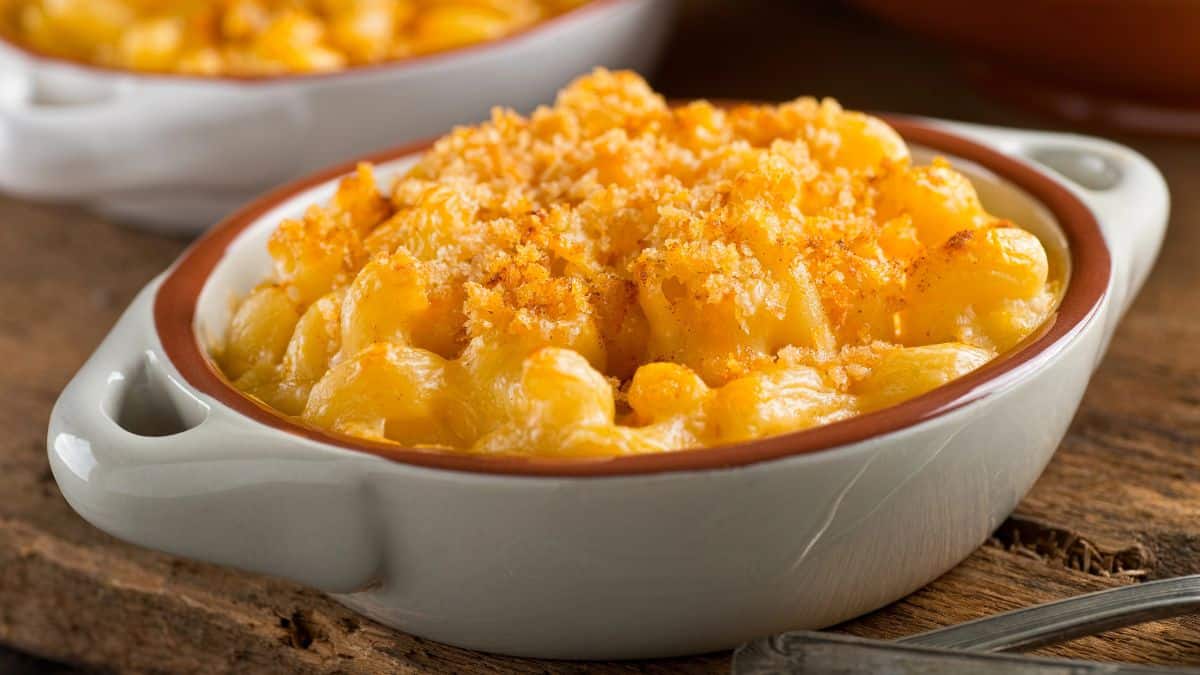
One of the best food combinations is a creamy base with a crunchy topping. Think of mac and cheese with a breadcrumb crust or yogurt with granola. The contrast between smooth and crispy textures keeps the palate interested.
It prevents food from feeling too one-note and makes each bite more exciting. This combination is used in countless dishes because it adds balance and variety. People love the experience of a soft, creamy bite followed by a satisfying crunch.
The Irresistible Snap

Some foods have a snap that makes them even more enjoyable. Chocolate bars, fresh green beans, and well-cooked bacon all have a distinctive breaking point. That clean, crisp snap adds to the sensory appeal of eating, giving the impression of high quality and freshness.
Foods that snap are often seen as more satisfying because they engage more of the senses. This small detail can make a big difference in how food is perceived.
The Playfulness of Bubbly and Airy
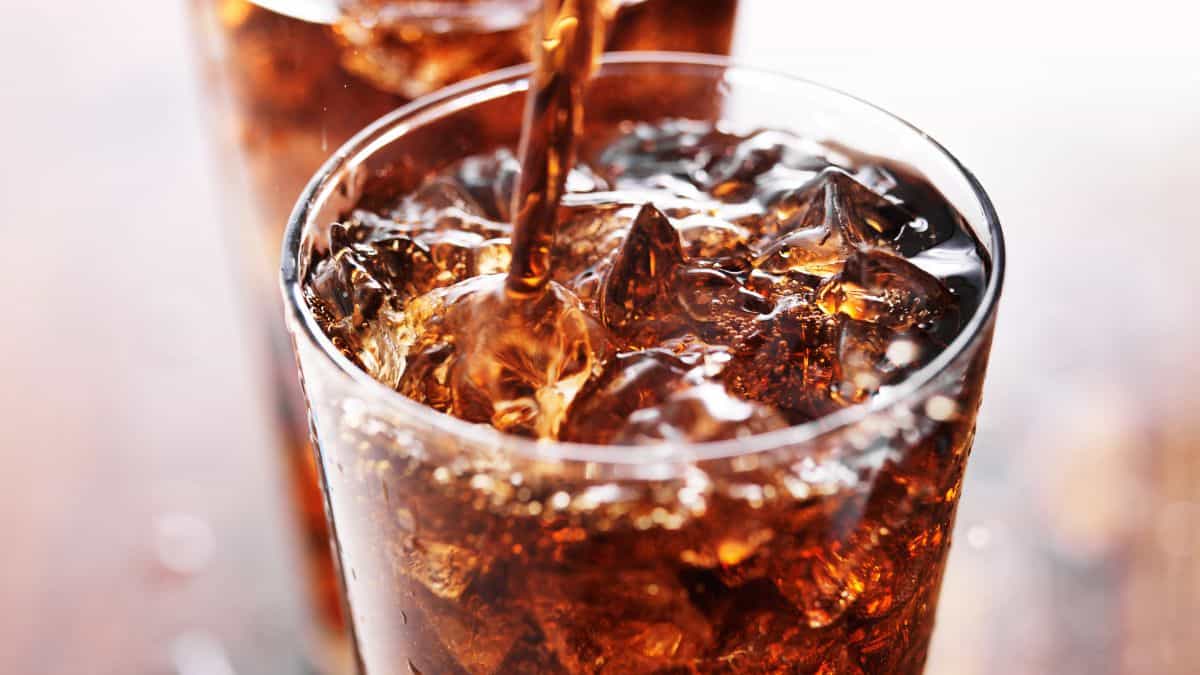
Some textures make eating fun and playful. Think of airy mousse, bubbly soda, or whipped cream. These textures feel light and refreshing, making them easy to enjoy. They create a sense of indulgence without being heavy.
The airiness enhances flavors by letting them linger on the tongue. This is why foamy or bubbly foods often elevate simple flavors into something special.
Sticky and Gooey Goodness

Sticky textures might be messy, but they enhance the enjoyment of food. Melted cheese, honey, and marshmallows each possess a pull-apart quality that brings satisfaction. The stretchiness of mozzarella on pizza and the gooey center of a cinnamon roll contributes to the overall experience.
Sticky foods evoke comfort and nostalgia, reminding people of childhood treats. They offer an interactive eating experience that makes food more enjoyable. Without the gooey factor, many beloved foods wouldn’t be the same.
The Unique Pleasure of Gritty Textures
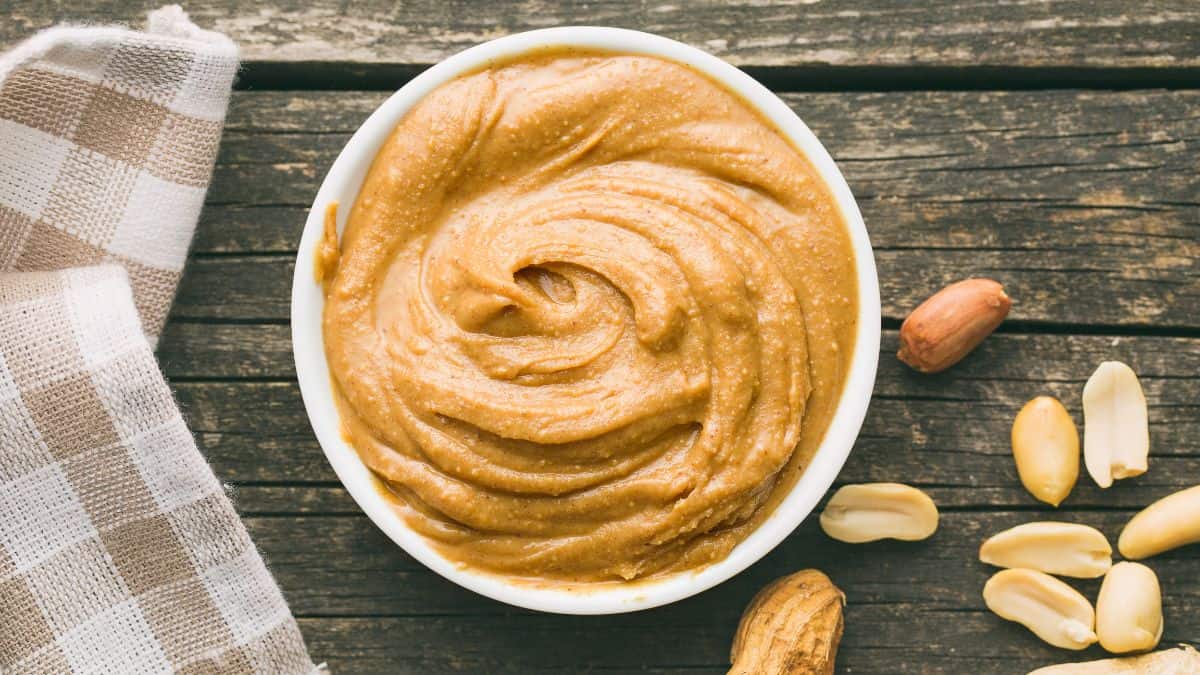
Gritty textures can add an interesting dimension to food. Sugar granules in a cookie, stone-ground mustard, or grainy peanut butter provide a unique texture. This slight resistance against the tongue makes eating more engaging.
Gritty textures create variety in the mouth, preventing food from feeling too smooth or plain. They are often used to add depth to sauces, spreads, and baked goods, making food feel more handcrafted and artisanal.
Crunch as a Flavor Enhancer
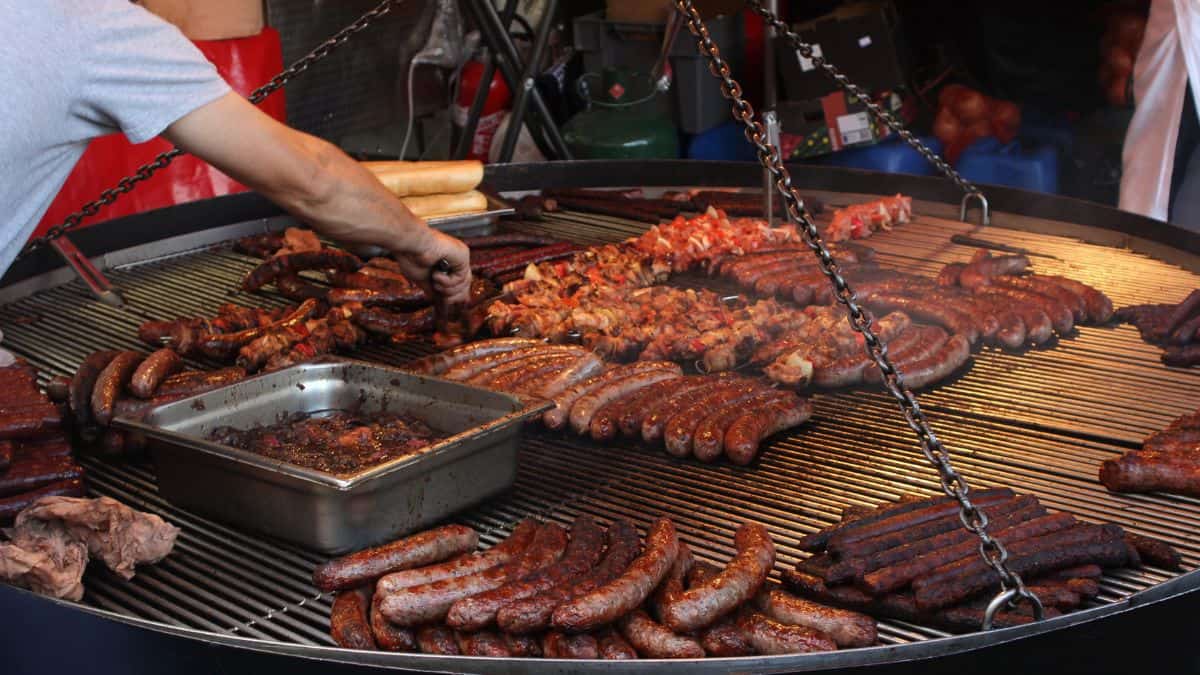
Crunchy textures don’t just feel good; they also enhance flavor. A crispy surface on grilled meat creates a deeper, more complex taste, and roasted nuts develop a richer flavor when they have a crunch.
Even something as simple as a toasted sandwich tastes better because of the added texture. When food is crunchy, it locks in flavors, making them more pronounced. This is why chefs use texture to amplify taste in many dishes.
The Surprise Factor of Texture
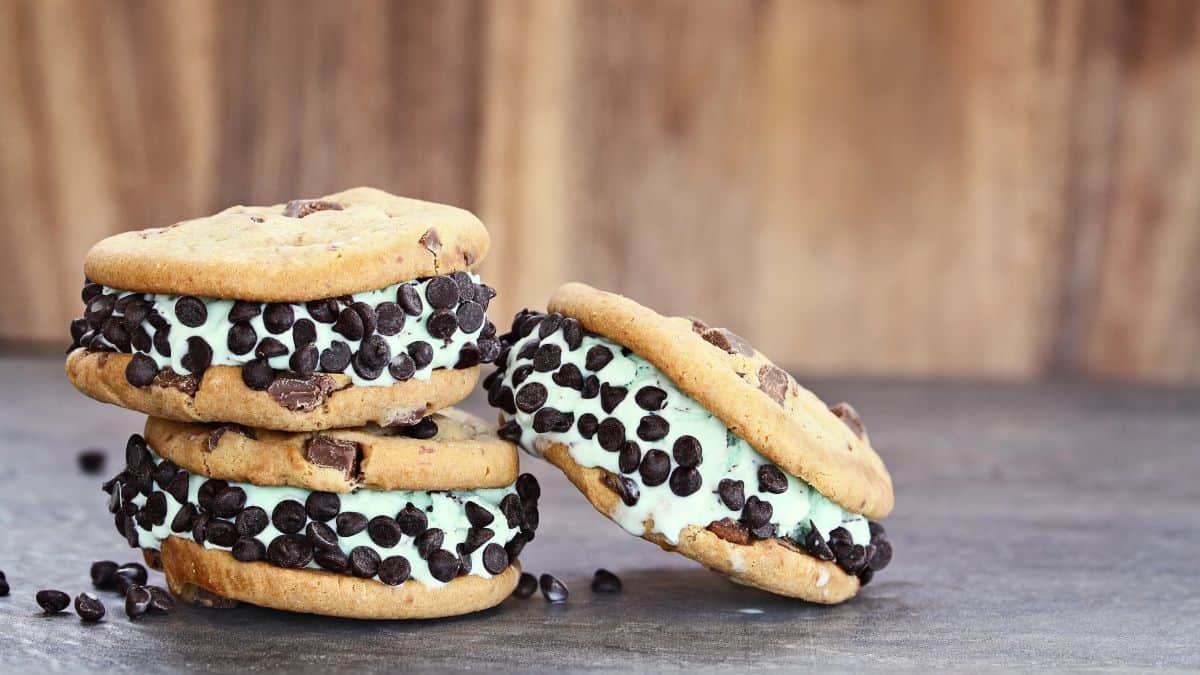
Unexpected textures can make eating more exciting. A crispy cookie with a soft center or a creamy dessert with crunchy bits adds surprise to each bite. These contrasts keep food from being boring and predictable.
Surprising textures make dishes more memorable and enjoyable. This is why chefs love experimenting with layers and combinations. A meal that plays with texture leaves a lasting impression.
The Comfort of Soft and Fluffy

Soft and fluffy textures bring a comforting experience. Mashed potatoes, fresh bread, and soufflés all have a cloud-like quality that feels cozy. These textures melt in the mouth, creating a soothing sensation.
Many comfort foods rely on a fluffy texture to bring warmth and satisfaction. This is why pancakes, muffins, and whipped cream are so loved. Soft and airy foods make people feel relaxed and happy.
Texture Creates Cravings

Many food cravings come from texture, not just taste. People don’t just want chips; they want that satisfying crunch. They don’t just want ice cream; they want the creamy smoothness. How food feels in the mouth dramatically affects why people crave certain things.
If a food doesn’t have the right texture, it can be disappointing, even if the flavor is great. This proves that texture is just as important as taste.
The Future of Texture in Food

Food scientists and chefs are constantly looking for new ways to enhance texture. Innovation is happening fast, from plant-based meat alternatives with the proper chew to ultra-crispy snacks. Texture is becoming a significant focus in food production because people demand a better mouthfeel.
As technology improves, so will our experience of texture in our favorite foods. The future of food is not just about taste but about creating the perfect bite. As more people recognize this, texture will continue to take center stage in the culinary world.
Related: 15 Clever Hacks To Reduce That Never-Ending Grocery Bill

Managing grocery expenses can be challenging for many households, especially with rising food costs and fluctuating budgets.
However, with some creativity and resourcefulness, you can implement numerous clever hacks to reduce your never-ending grocery bill without sacrificing the quality or variety of your meals.



Leave a Reply