
Reheating leftovers in the oven can feel like the best choice for keeping food crispy and tasty. But sometimes the oven turns a once-delicious meal into something dry and disappointing. The heat often removes all the moisture, leaving food tough, chewy, or flavorless.
Want to Save This Recipe?
Enter your email & I'll send it to your inbox. Plus, get great new recipes from me every week!
By submitting this form, you consent to receive emails from Blue's Best Life.
This happens especially with certain foods that simply don’t handle reheating well. Knowing which ones are most likely to dry out can save you time and prevent wasted meals. Here are some leftovers that almost always lose their softness when reheated in the oven.
Chicken Breast
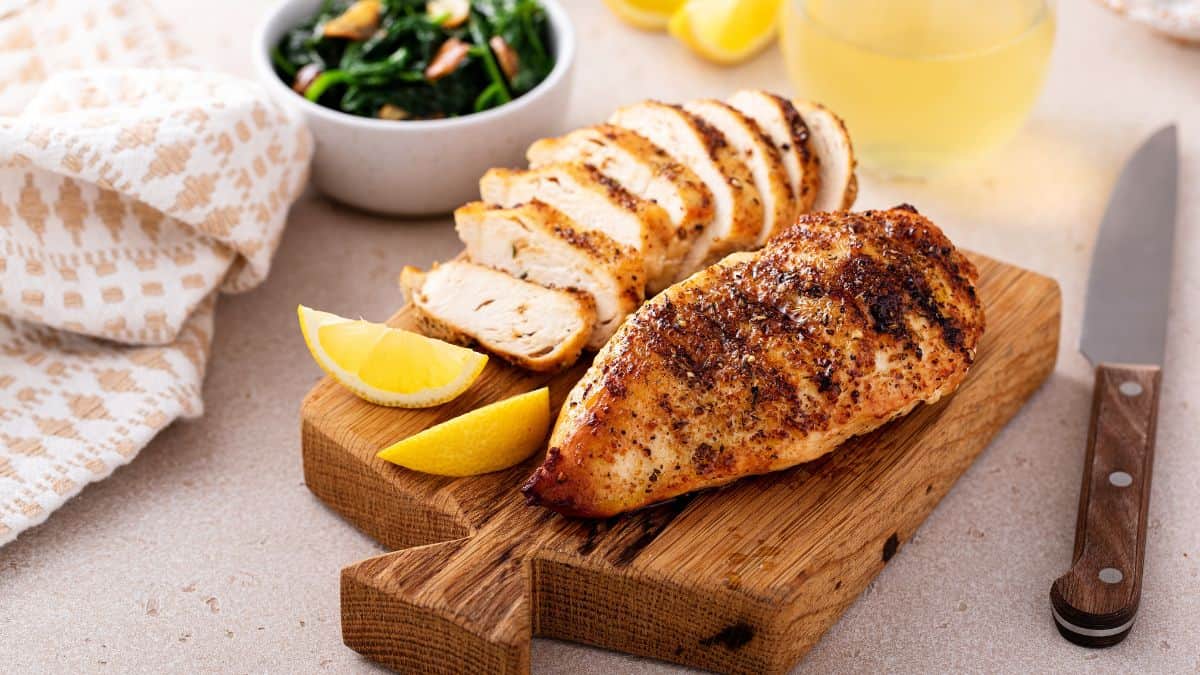
Chicken breast is a lean cut of meat with very little fat. When reheated in the oven, it loses moisture quickly. The result is a dry and stringy texture that is hard to enjoy.
Even if you cover it, the dryness usually sets in fast. Adding sauce can help, but it rarely fixes the problem completely. Chicken breast is one of the worst leftovers to reheat this way.
Pizza

Pizza is often placed in the oven to get the crust crispy again. While the crust may improve, the toppings usually suffer. The cheese dries out and loses its gooey stretch.
The sauce thickens until it tastes flat. Pepperoni or vegetables often become hard or rubbery. Pizza in the oven is a gamble between crisp crust and dry toppings.
Steak
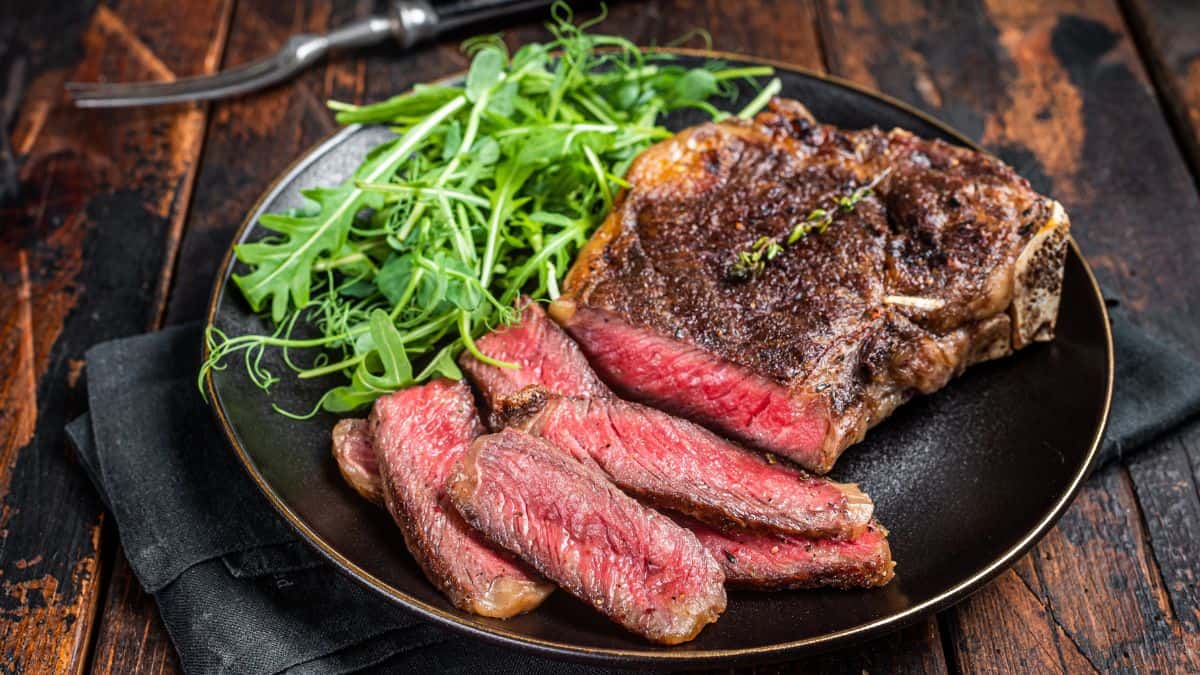
Steak reheated in the oven tends to lose its tenderness. The juices that made it flavorful on the first day are gone. What’s left is a chewy piece of meat that tastes overcooked.
Thicker cuts dry out in the middle, while thinner cuts become tough throughout. Steak is better enjoyed fresh than revived. The oven simply can’t bring back that perfect texture.
Pork Chops

Pork chops are similar to chicken breast in that they have little fat. This makes them dry out almost instantly in the oven. The edges get tough and the center turns chalky.
Even sauces or gravies can’t fully restore the softness. Once pork chops dry out, they lose both flavor and appeal. The oven is a harsh reheating method for this meat.
Fish
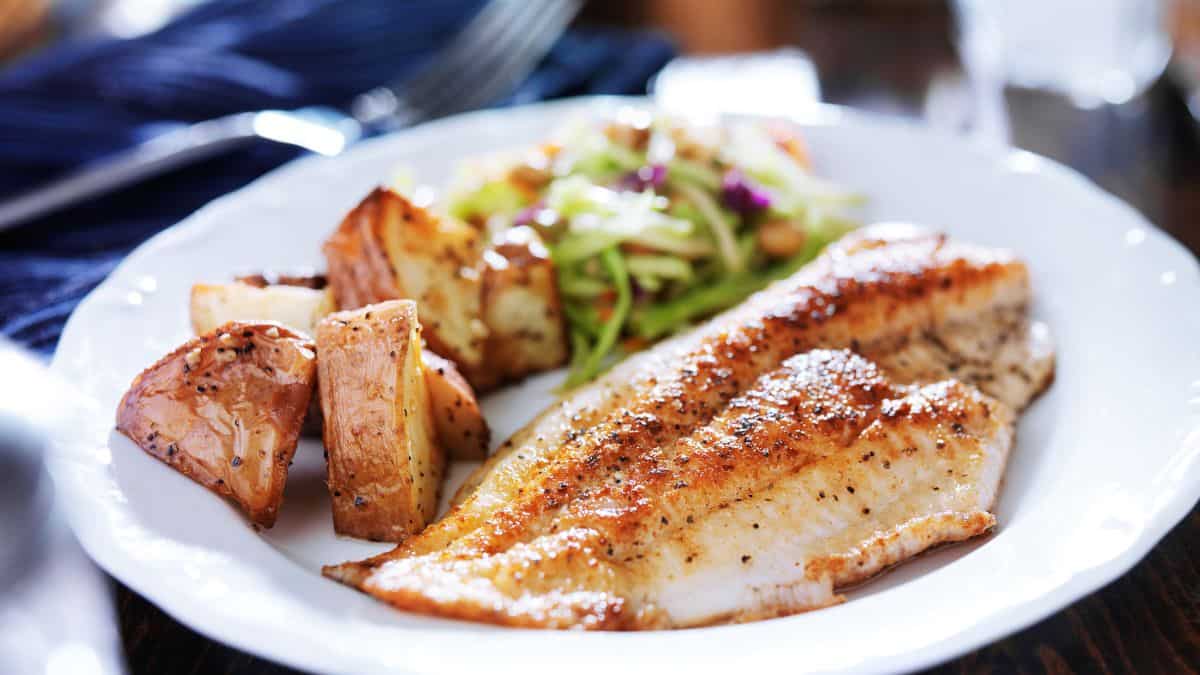
Fish is delicate and doesn’t handle reheating well. In the oven, it dries out in just a few minutes. The flakes become tough instead of tender. Any natural oils disappear quickly. Even with foil or sauce, fish often ends up overdone. It’s best to eat fish fresh instead of relying on the oven.
Rice
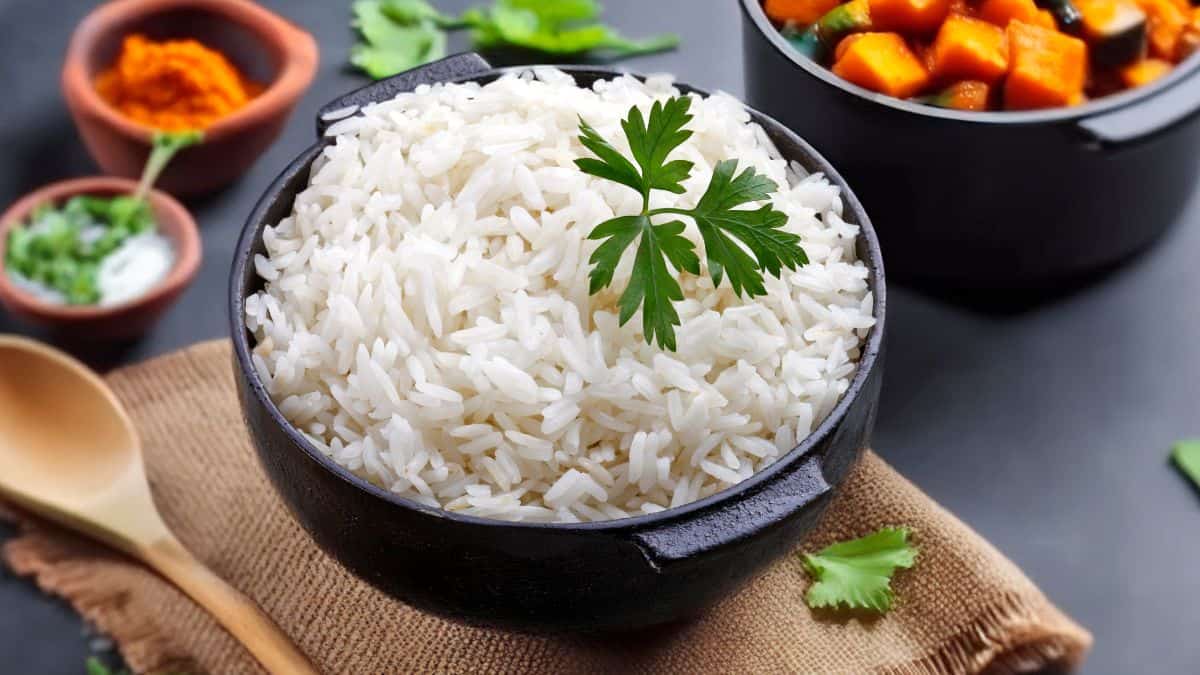
Rice needs moisture to stay fluffy, but the oven removes it fast. Without added water, it turns hard and crunchy. The grains lose their softness and become unpleasant to chew.
Covering it helps, but usually not enough. Oven heat simply dries it out more than it saves it. Rice is better reheated on the stove or microwave with steam.
Pasta

Pasta without sauce becomes brittle in the oven. Even with sauce, the noodles tend to dry out at the edges. They lose that tender bite and turn rubbery.
Cheese on baked pasta also hardens quickly. What was once creamy becomes stiff. The oven almost always takes the joy out of leftover pasta.
Bread

Bread might seem safe in the oven, but it dries out quickly. The crumb becomes hard and the crust tough. Any softness it once had disappears.
Even covering it doesn’t prevent dryness. Instead of warm and fluffy, it turns brittle. Bread is one of the quickest foods to dry out in reheating.
Turkey
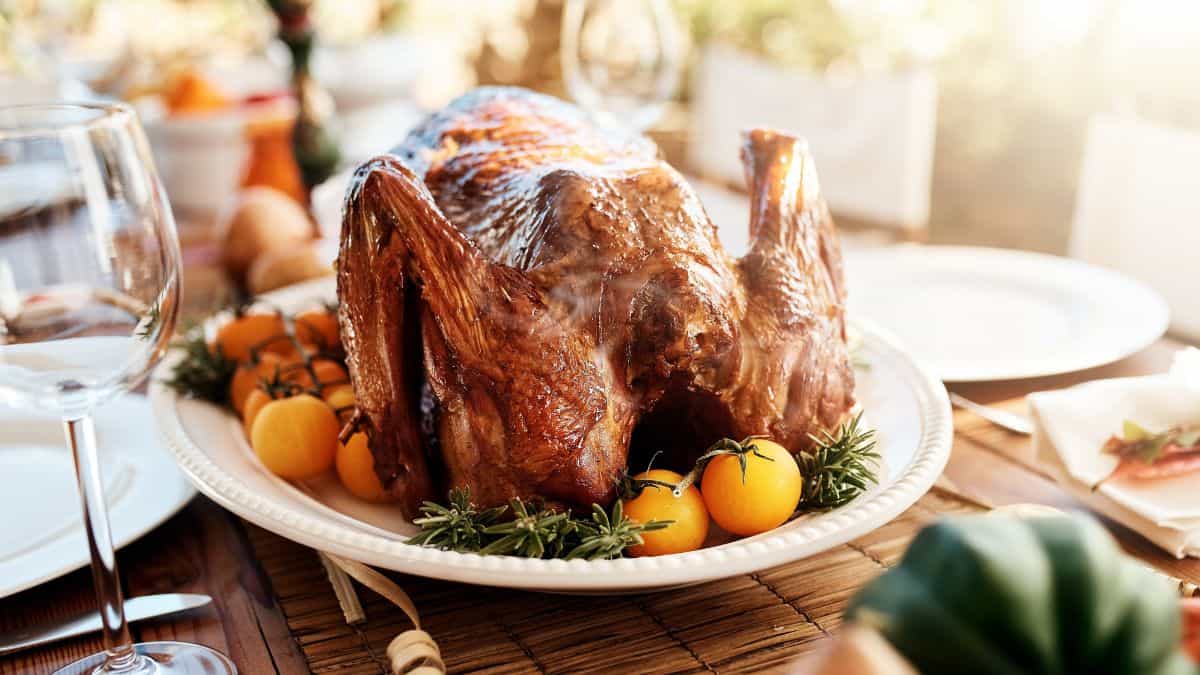
Turkey leftovers often feel like sawdust after reheating. The lean meat has little fat to keep it moist. In the oven, it becomes dry and bland quickly.
Slices lose their juiciness and turn stringy. Gravy can hide the problem, but it doesn’t fix it. Turkey simply wasn’t made for the oven after day one.
Meatloaf
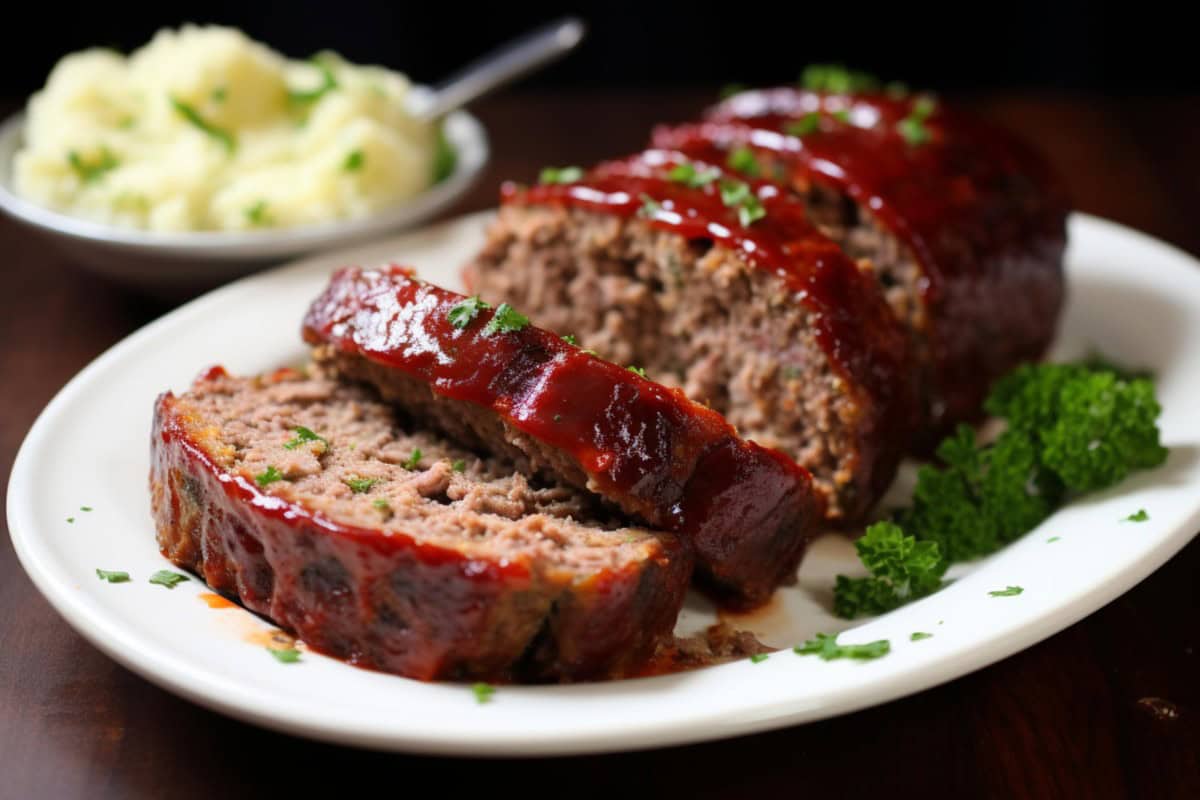
Meatloaf has ground meat that should stay moist, but it rarely does. In the oven, the outside dries before the inside warms, leaving a tough edge and a dense middle.
Any sauces baked on top lose their shine. The flavor isn’t the same without that original softness. Meatloaf reheated in the oven almost never feels fresh again.
French Fries
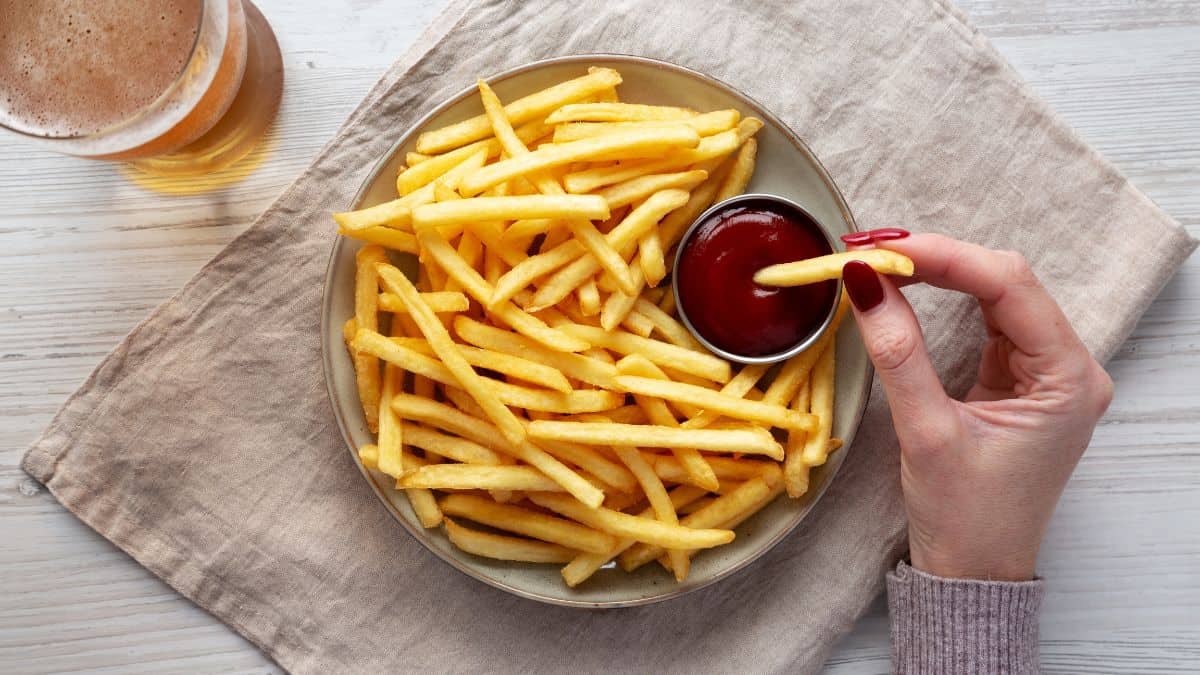
French fries lose their magic quickly in the oven. They start off crisp but end up dry and hollow. The inside becomes stiff instead of fluffy.
Even with oil, they don’t return to their original state. Oven reheating gives fries a stale texture. Fries are best eaten hot the first time around.
Burgers
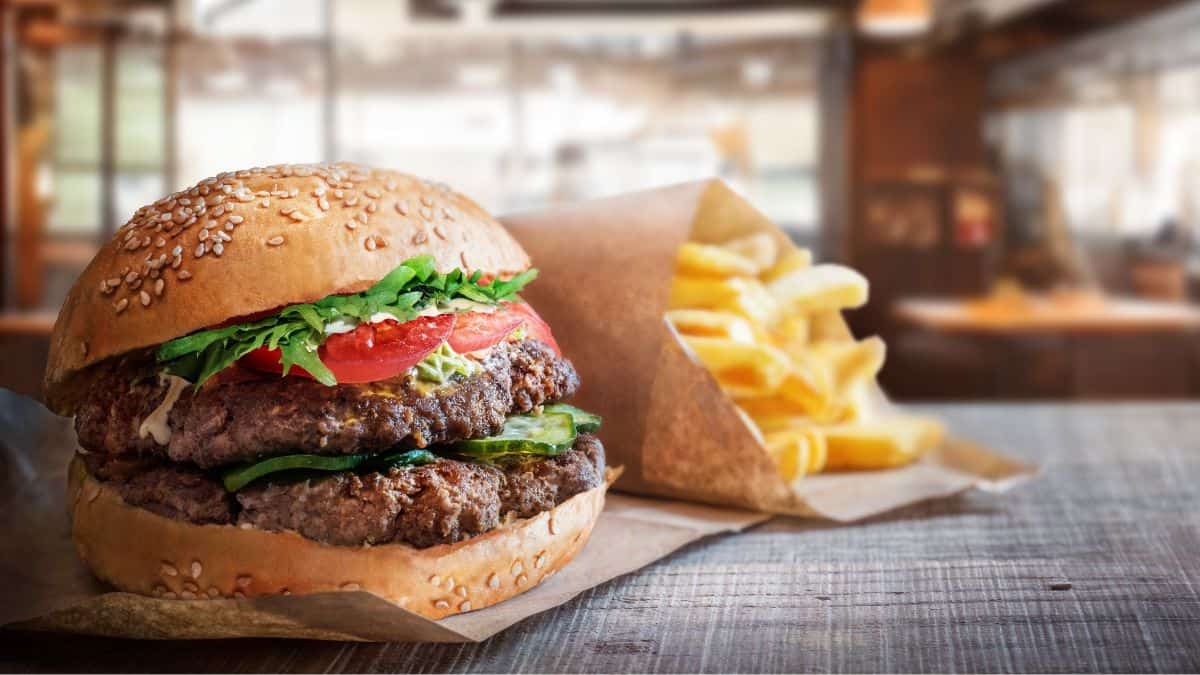
When reheated in the oven, burger patties turn tough. The fat that made them juicy cooks out, and the bun dries into a hard shell.
Cheese stiffens and loses its stretch. Every bite becomes a struggle compared to the fresh version. Burgers are rarely satisfying leftovers in the oven.
Casseroles

Casseroles often contain noodles, rice, or vegetables that don’t reheat well. The oven pulls moisture from them quickly. The creamy parts dry and form a crust.
The middle can remain dense while the top becomes too hard. Even with foil, the texture never feels the same. Casseroles almost always lose their comfort-food charm in the oven.
Eggs

Eggs of any kind dry out the moment they hit oven heat again. Scrambled eggs become rubbery. Fried eggs turn stiff and unappetizing.
Even quiche loses its light texture. The flavor dulls when eggs are overheated. The oven is not a friend to leftover eggs.
Vegetables

In the oven, vegetables lose water quickly. What was once crisp or tender becomes shriveled. Broccoli, carrots, and peppers all turn limp and dry.
Their flavor and texture fade, and they might even burn at the edges. Fresh vegetables are healthier than those reheated in dry heat.




Leave a Reply