
Composting is an easy and effective way to recycle organic waste and nourish your garden. While many people know that fruits and vegetable scraps are great for compost, they may not realize how many everyday items can be composted instead of thrown away. Adding more of your kitchen waste to the compost bin reduces landfill waste and enriches your soil with valuable nutrients.
Want to Save This Recipe?
Enter your email & I'll send it to your inbox. Plus, get great new recipes from me every week!
By submitting this form, you consent to receive emails from Blue's Best Life.
Here are 15 food scraps you should stop throwing away and start adding to your compost bin. These items will break down into rich compost, turning your waste into gardening gold.
Fruit and Vegetable Peels
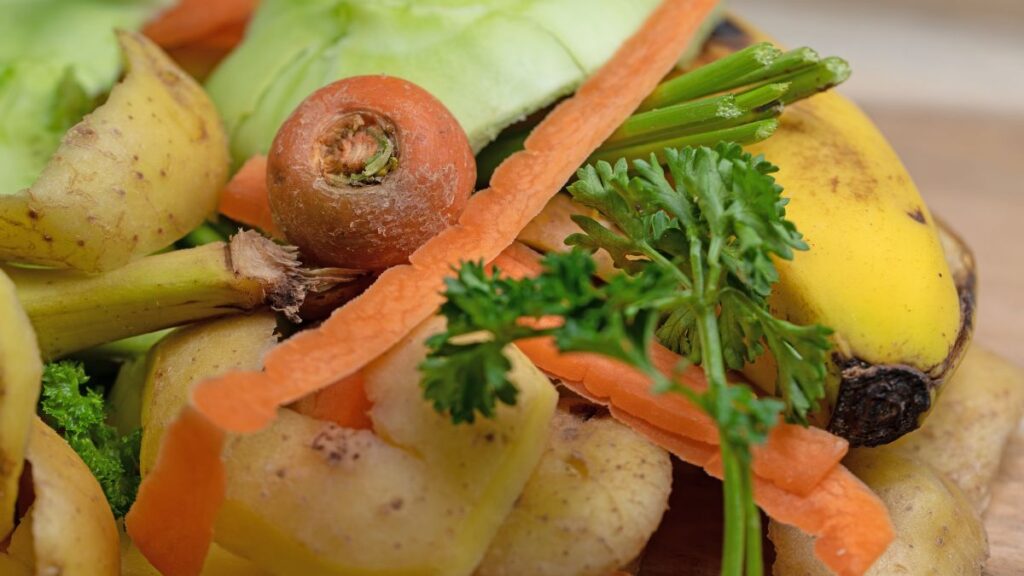
Banana peels, potato skins, and apple cores may seem like trash, but they’re gold for your compost bin. These peels break down quickly and are rich in essential nutrients like potassium, nitrogen, and phosphorus.
Adding fruit and vegetable peels to your compost helps create a nutrient-dense mixture that will feed your plants. Just chop them into smaller pieces for faster decomposition and let nature do the rest.
Coffee Grounds
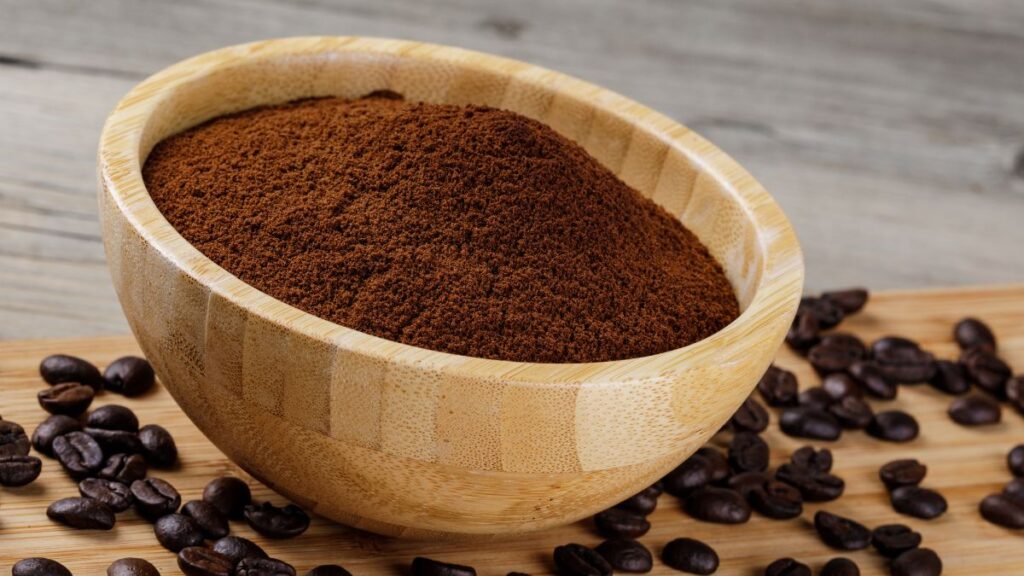
Coffee grounds are a surprising but effective addition to your compost bin. They’re rich in nitrogen, which helps to promote healthy plant growth. Plus, they help aerate the compost, making it break down more effectively.
Coffee grounds can also attract earthworms, which are beneficial for your compost and garden. Even the coffee filters can go in as long as they’re unbleached.
Eggshells
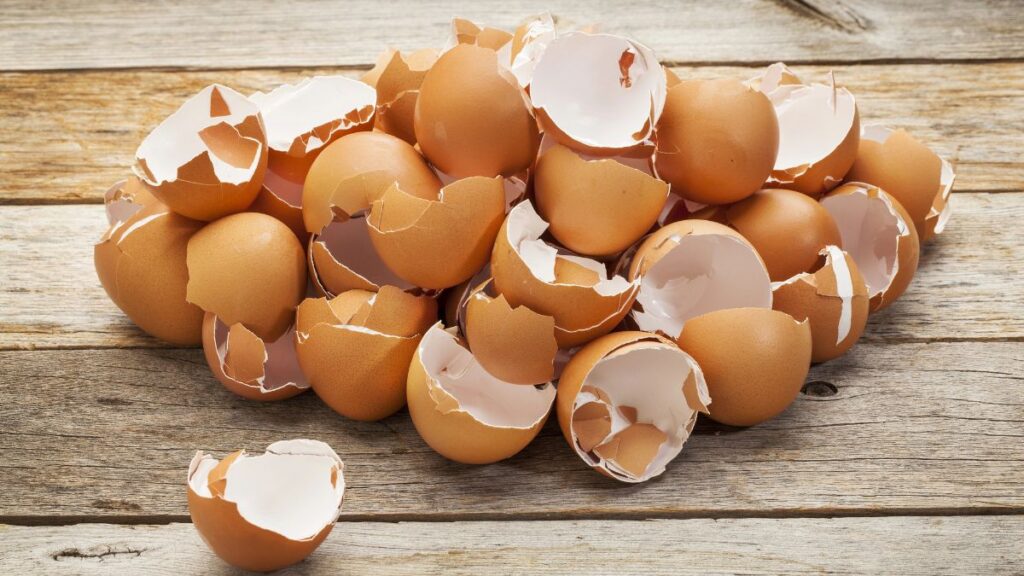
Eggshells are often overlooked, but they’re a fantastic source of calcium for your compost. Calcium is crucial for strengthening plant cell walls and helps prevent blossom-end rot in plants like tomatoes.
Before adding eggshells to the compost, crush them up to speed up the decomposition process. Over time, the eggshells will break down and add valuable minerals to your soil.
Tea Bags
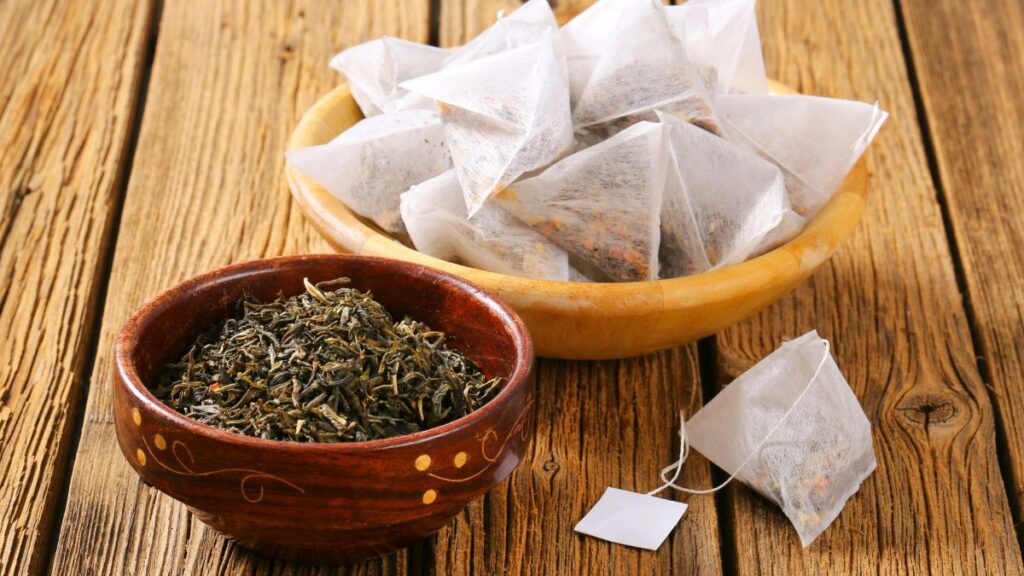
Used tea bags are perfect for composting, especially if made from biodegradable materials like paper or plant-based fibers. Tea leaves are nitrogen-rich, which will help balance your compost mixture.
Be sure to remove any staples or synthetic strings before adding them to your bin. Over time, the tea bags will break down, leaving behind nutrient-rich organic matter for your compost.
Citrus Peels
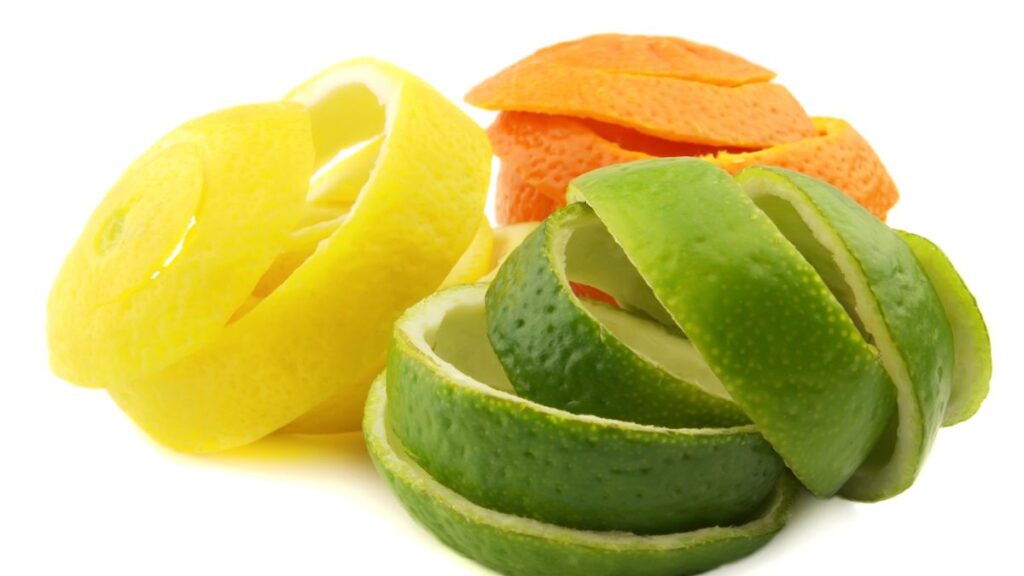
Citrus peels, such as those from oranges and lemons, are excellent for composting. Although they may take a little longer to break down due to their tough skin, citrus peels add valuable nutrients like potassium and vitamin C to your compost.
Chop the peels into smaller pieces to speed up decomposition. Just make sure not to overload your bin with citrus, as too much can make the compost too acidic.
Bread and Grains
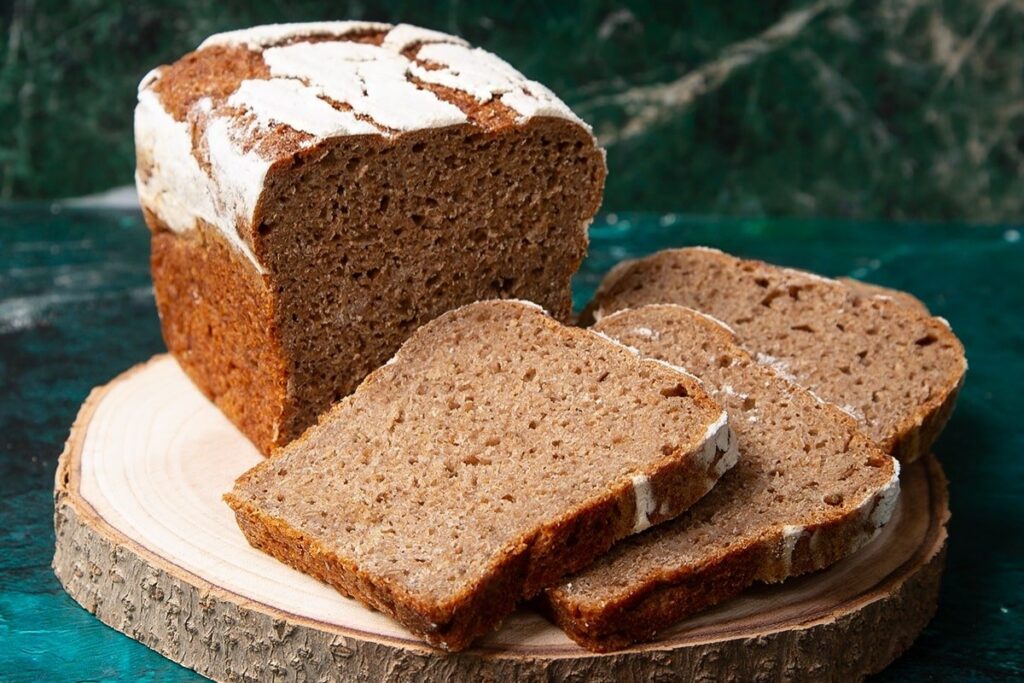
Stale bread, pasta, and grains can also go into your compost bin. While they decompose slower than fruit and vegetable scraps, they still add important carbon and carbohydrates to your compost pile.
Break them up into smaller pieces and avoid adding large amounts of moldy bread, which could attract unwanted pests. Used in moderation, these items will enrich your compost.
Nut Shells
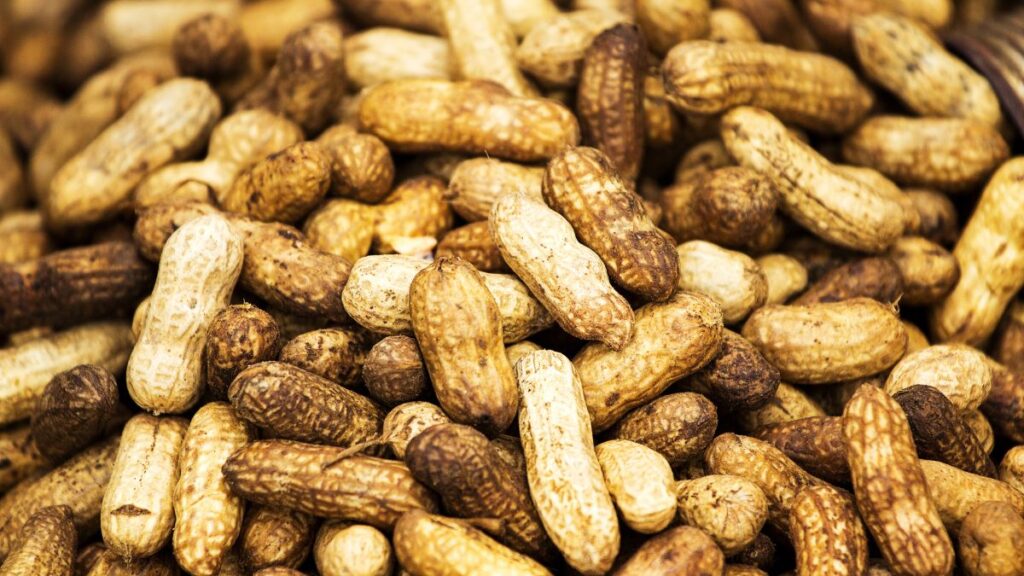
Nutshells, especially from peanuts, almonds, and walnuts, are great for composting. They are tough, so it’s best to crush or break them up before adding them to the bin to help them decompose faster.
Nutshells add carbon to the compost, balancing out nitrogen-rich materials like food scraps. Over time, they will break down and contribute to a healthy compost mix.
Cooked Vegetables
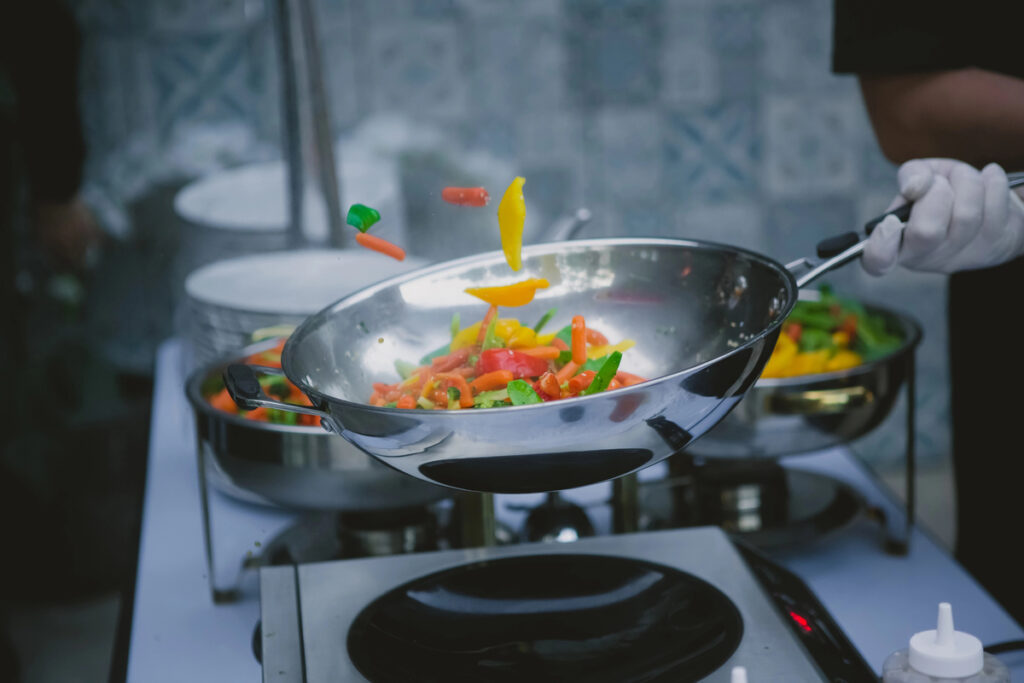
If you have leftover cooked vegetables, don’t toss them out—add them to your compost bin. Cooked vegetables decompose quickly and are a great source of nitrogen and other nutrients.
Just make sure they don’t have too much oil, butter, or seasoning on them, as these can slow down the composting process. Leftover steamed or boiled veggies will break down and turn into valuable compost.
Herbs and Spices
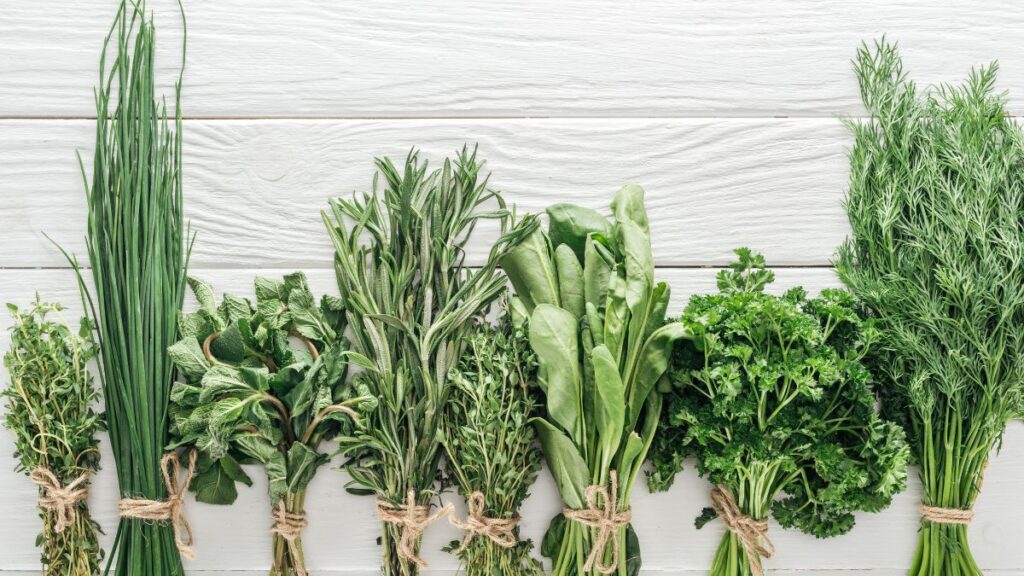
Expired or wilted herbs, along with old spices, are ideal for composting. These plant-based ingredients add beneficial nutrients to the compost and break down quickly.
Whether it’s fresh basil leaves or ground cinnamon, herbs and spices can give your compost a nutrient boost. Just make sure to avoid adding large quantities of heavily spiced foods, as they may attract pests.
Corn Cobs and Husks
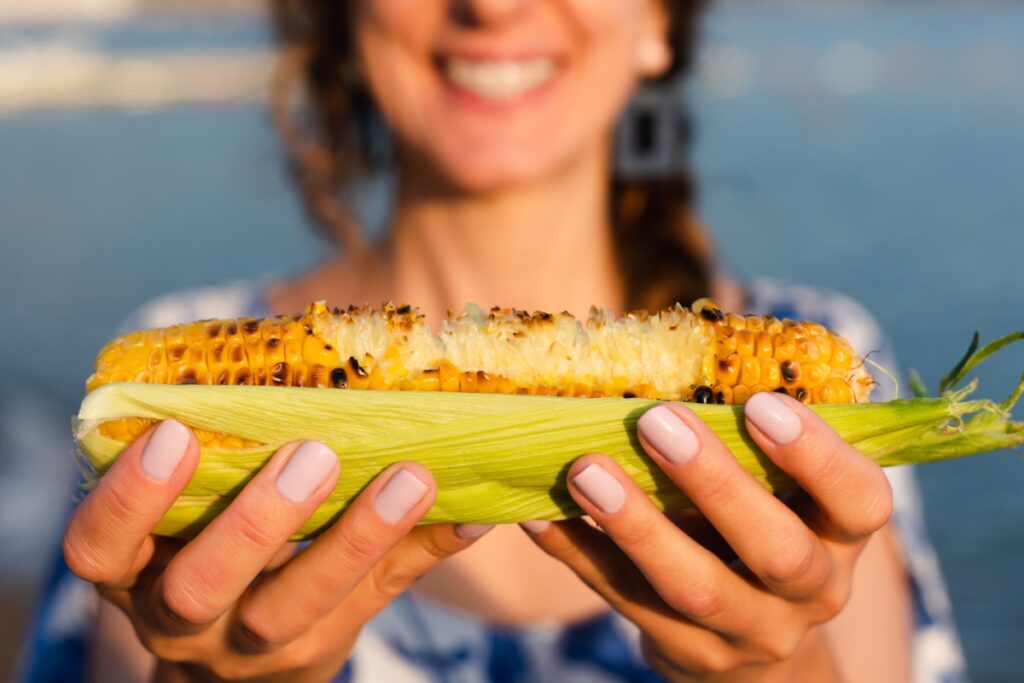
Corn cobs and husks are excellent compost materials, though they take a bit longer to break down due to their fibrous structure. Chop the cobs into smaller pieces to help them decompose more quickly.
Corn husks provide a great source of carbon, which helps balance the nitrogen-heavy food scraps in your bin. Over time, these tough materials will turn into nutrient-rich compost for your garden.
Onion and Garlic Scraps
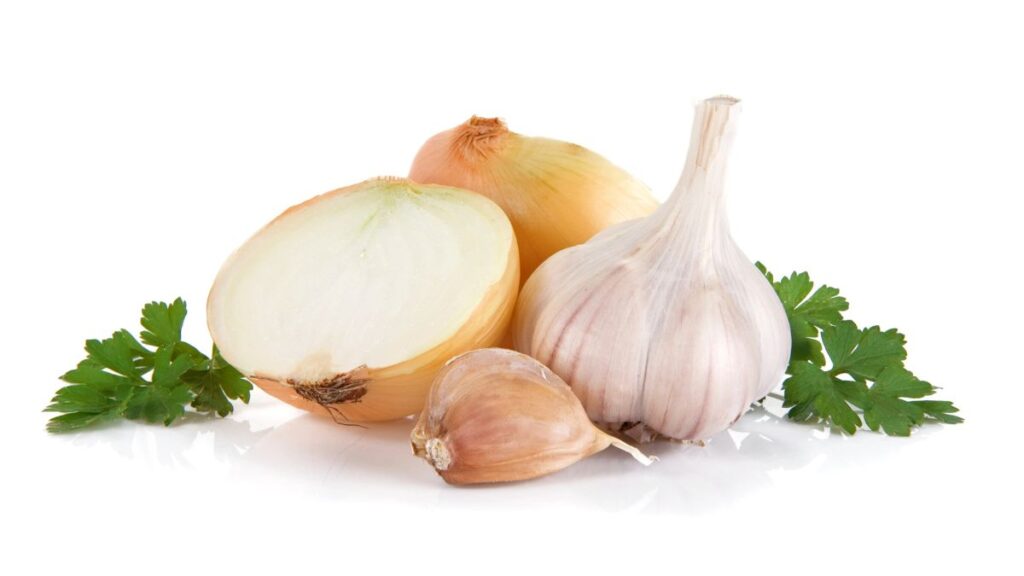
Onion and garlic peels, along with their tops and roots, are great for composting. These scraps are rich in nutrients and will break down along with other food waste.
While some gardeners worry that the strong smell may deter composting, once mixed in with other organic matter, they will break down without a problem. Just be sure not to add large amounts at once, as their strong odor can attract pests.
Mushrooms
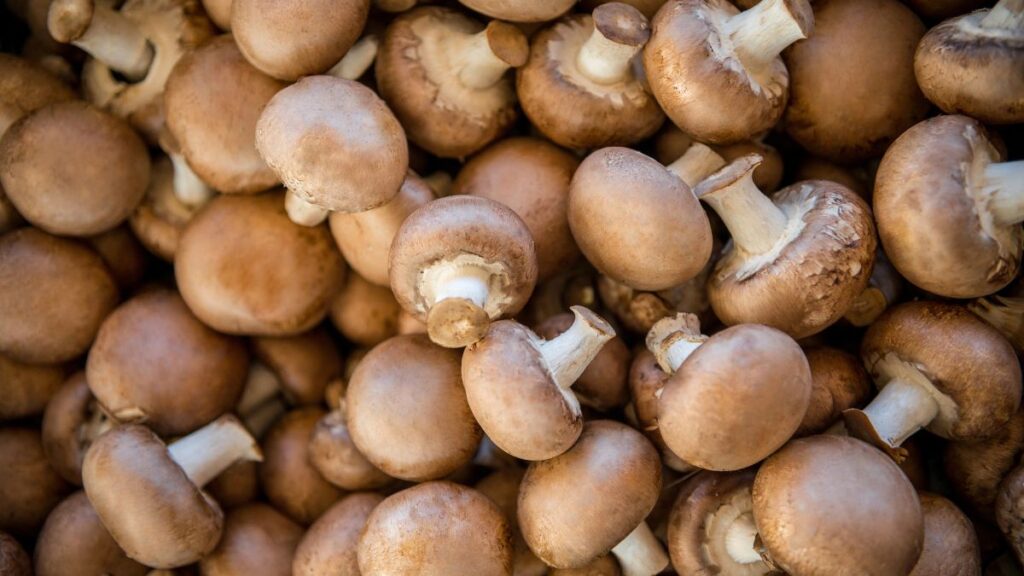
Mushrooms, whether fresh or cooked, decompose quickly and are packed with nutrients that can benefit your compost. They’re a great source of nitrogen and other minerals, which help speed up the composting process.
If you have extra mushrooms that have gone bad or leftover cooked mushrooms, toss them in the compost bin to give it an extra nutrient boost.
Apples and Pears
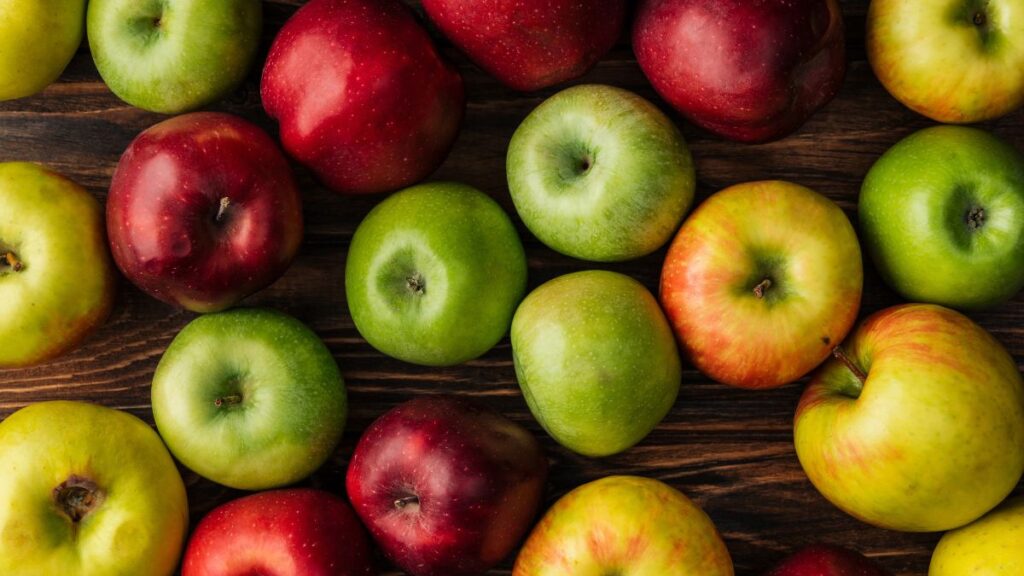
Rotten or overripe apples and pears are perfect for composting. These fruits break down quickly and add valuable nutrients like potassium and phosphorus to your compost pile.
If they’ve started to mold, don’t worry—moldy fruits are still compostable and will break down just as effectively. Chop them up for faster decomposition and let them enrich your compost.
Pumpkin and Squash Scraps
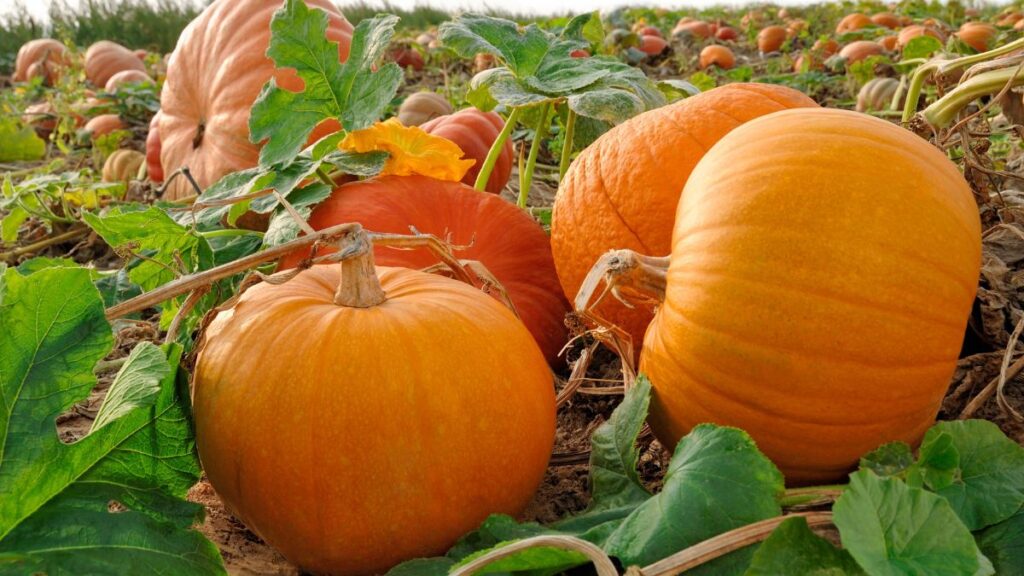
Pumpkin and squash scraps, including the seeds, skin, and flesh, are fantastic for composting. These thick, fibrous fruits break down well and add nitrogen, vitamins, and minerals to your compost bin.
Leftover pumpkin from baking or cooking can also go straight into the compost. Chop up large pieces to speed up decomposition and reduce the chance of attracting pests.
Avocado Skins and Pits
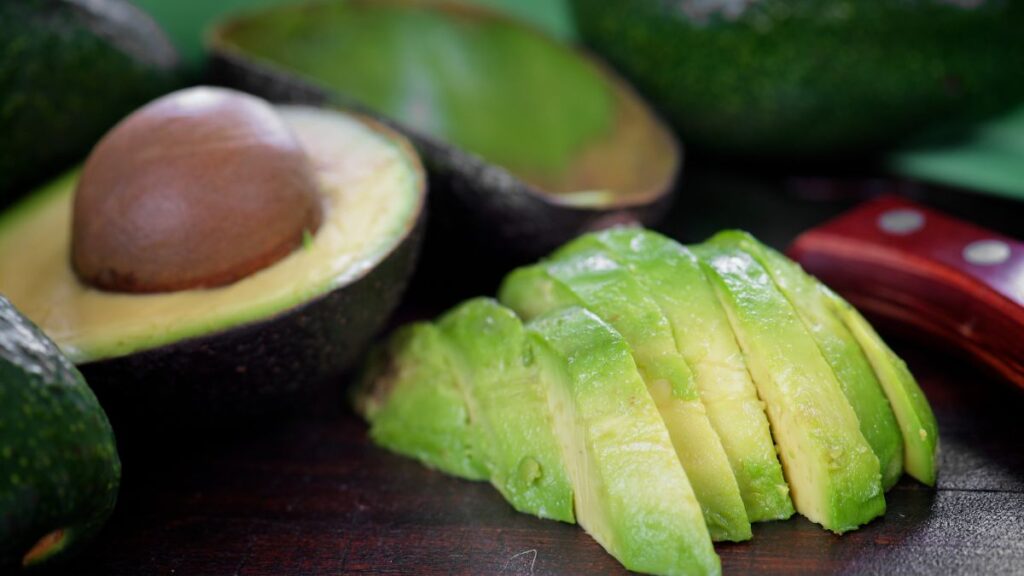
Avocado skins and pits may seem tough, but they can be composted, too. While they do take longer to break down, they eventually decompose and add valuable nutrients to the compost.
Chop up the pits or grind them if possible to help them break down faster. Although it takes patience, composting avocado skins and pits is a great way to reduce food waste and improve your soil.
Leave a Reply