
Sometimes cooking feels like a competition to see who can add the fanciest ingredient. From gold flakes to truffle oil, chefs and home cooks often try to impress with things that sound luxurious. The truth is, many of these ingredients don’t actually make the food taste better.
Want to Save This Recipe?
Enter your email & I'll send it to your inbox. Plus, get great new recipes from me every week!
By submitting this form, you consent to receive emails from Blue's Best Life.
They can distract from the natural flavors, overpower a dish, or simply waste money. Good cooking is usually about balance and fresh ingredients, not expensive add-ons. Let’s look at some popular fancy ingredients that often fail to live up to their hype.
Truffle Oil
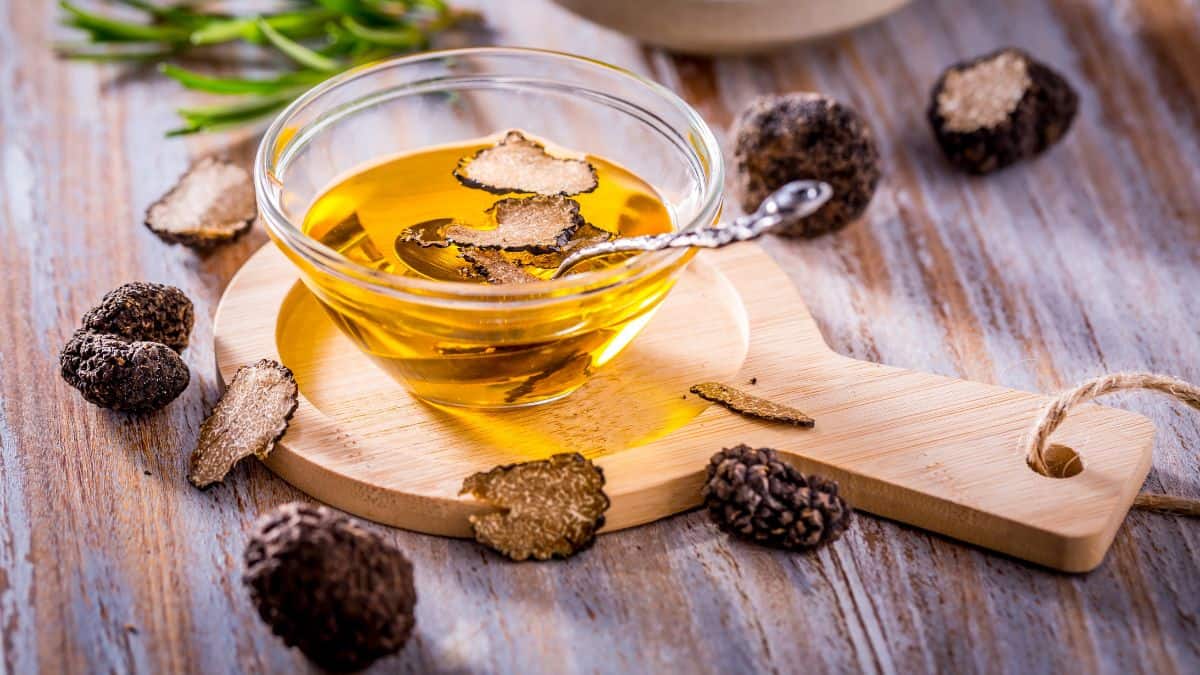
Truffle oil is often sold as a quick way to make food taste gourmet. In reality, most bottles don’t even contain real truffles. Instead, they use artificial flavoring that can taste harsh and overpowering.
When added to pasta or fries, the strong aroma takes over everything else. Rather than enhancing the dish, it often feels fake and overwhelming. Fresh mushrooms or herbs usually do a better job of bringing depth to a meal.
Edible Gold
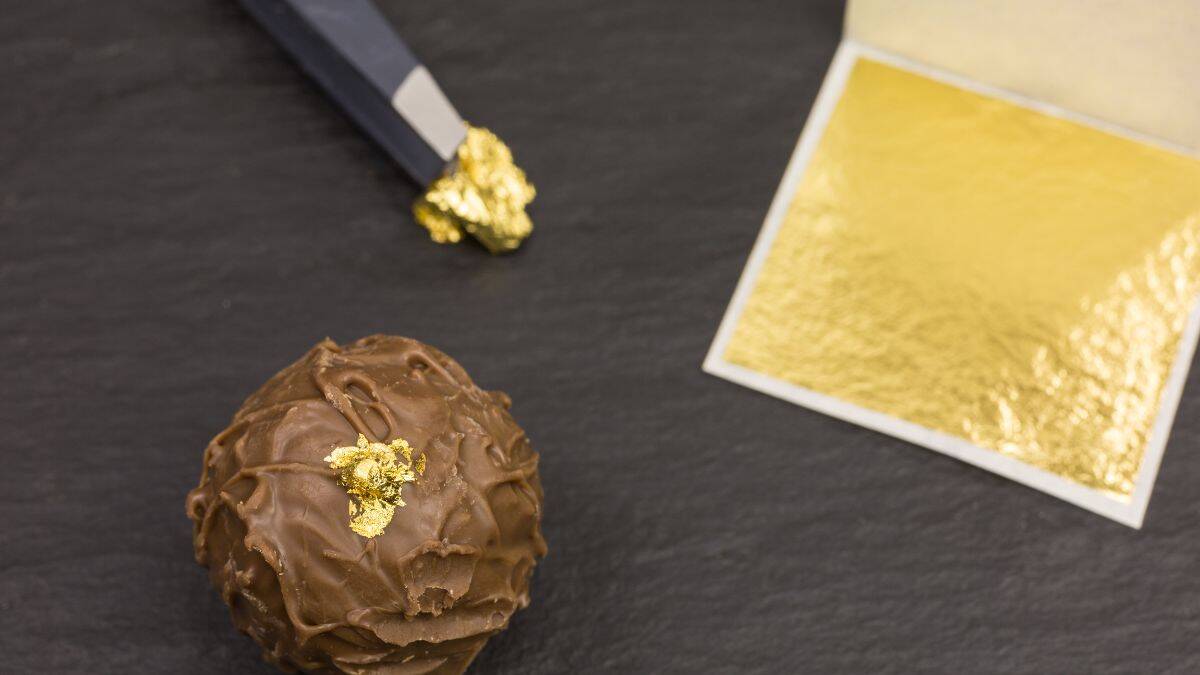
Edible gold looks shiny, but it does nothing for taste. It has no flavor at all, so it’s only there for decoration. People often add it to desserts or drinks to make them look luxurious.
The problem is that it makes food more expensive without adding any real value. It can even feel uncomfortable, because eating metal isn’t something most people find appetizing. Simpler garnishes like fruit or chocolate shavings create beauty and flavor together.
Saffron
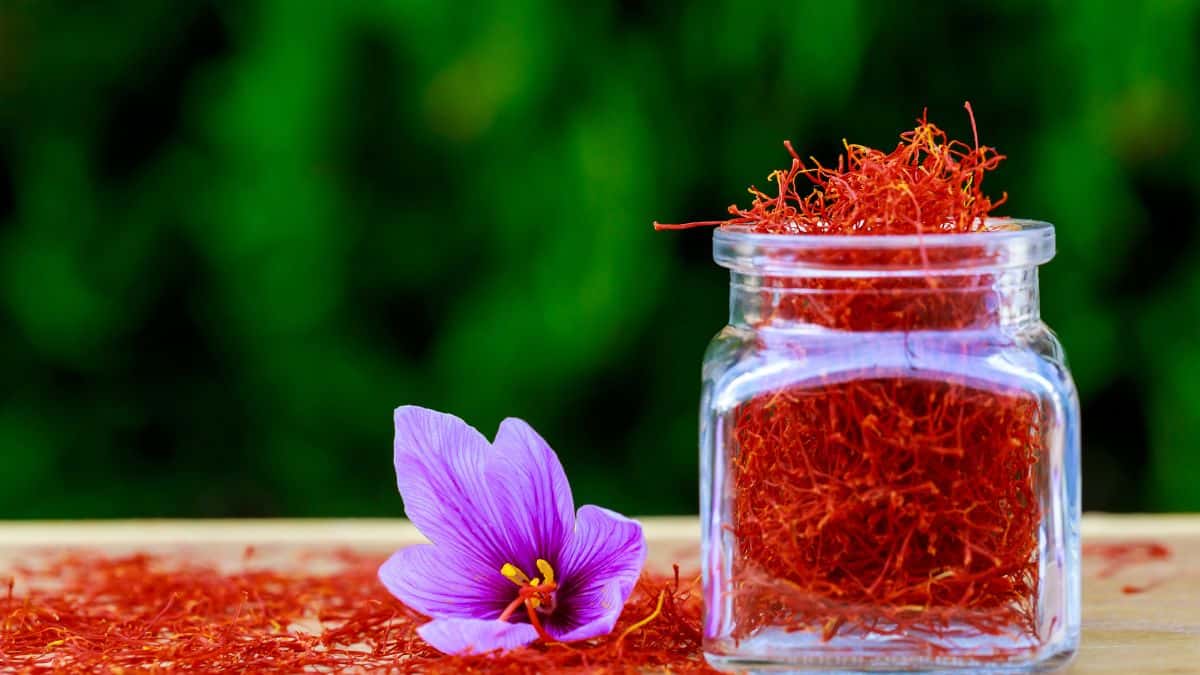
Saffron is one of the most expensive spices in the world. While it can give rice or broth a golden color, it often doesn’t add much flavor unless used in large amounts. Many cooks end up with food that looks pretty but tastes bland.
Worse, because it’s so expensive, people use it sparingly and then feel disappointed. A well-chosen herb mix or even turmeric can give stronger taste for far less money. The hype around saffron is often bigger than the results on the plate.
Foie Gras
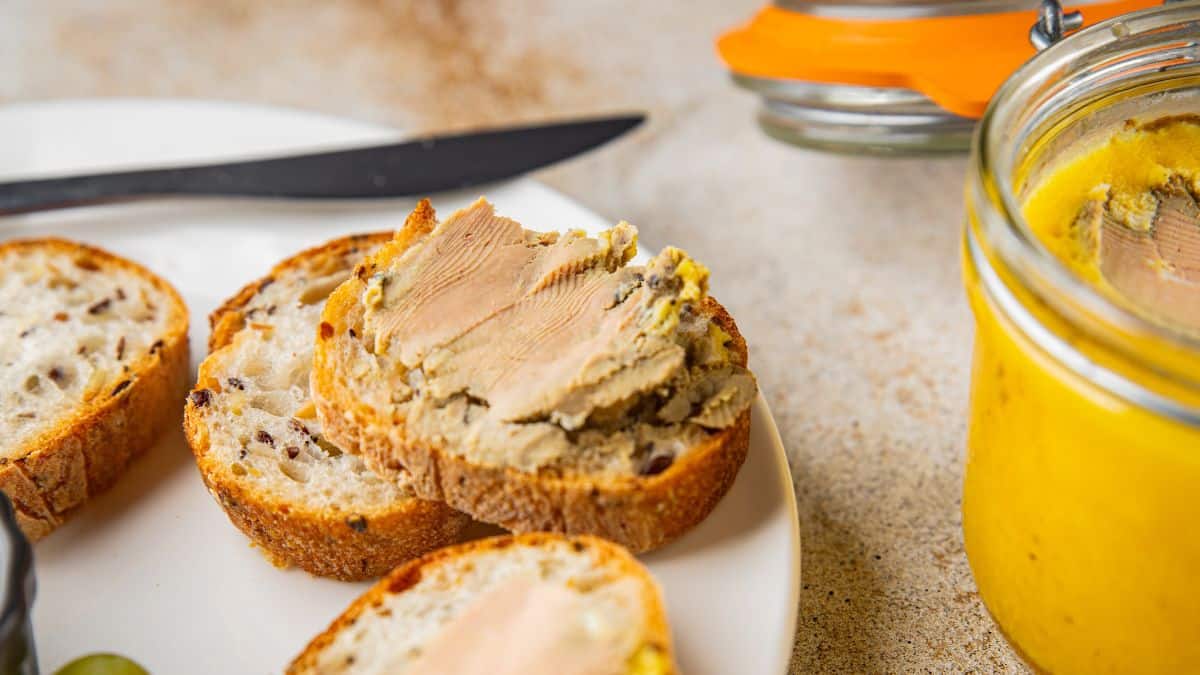
Foie gras is a French delicacy made from duck or goose liver. It is meant to be creamy and rich, but many people find it overwhelming. Its fatty texture can leave food feeling heavy instead of elegant. It’s also controversial because of how it is produced, which makes it less enjoyable for many diners.
Chefs may add it to dishes to seem impressive, but it rarely improves the overall flavor. Often, simpler proteins like fresh fish or roasted chicken taste much better.
Caviar
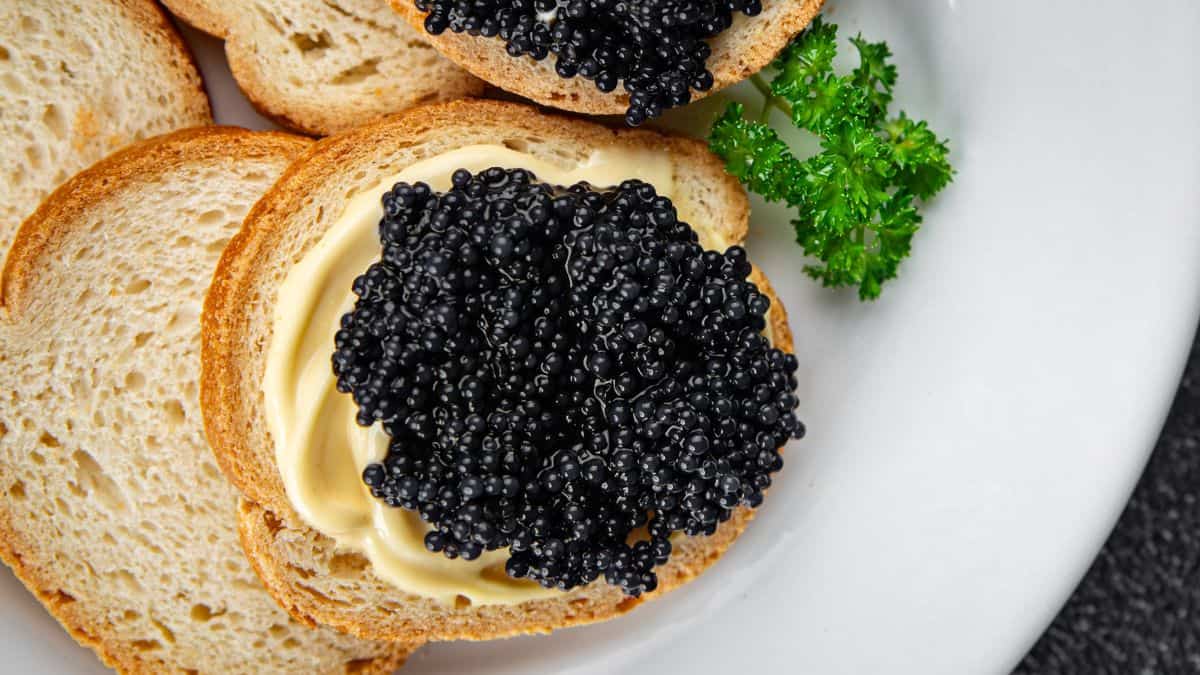
Caviar is another ingredient that is more about status than flavor. The salty fish eggs are expensive and often served in tiny amounts. They don’t add much to a dish unless you enjoy the texture.
Their flavor is easily lost when mixed with more potent ingredients. Many people feel it’s more of a decoration than a taste booster. Fresh seafood, like shrimp or scallops, often delivers more satisfaction at a fraction of the price.
White Truffles
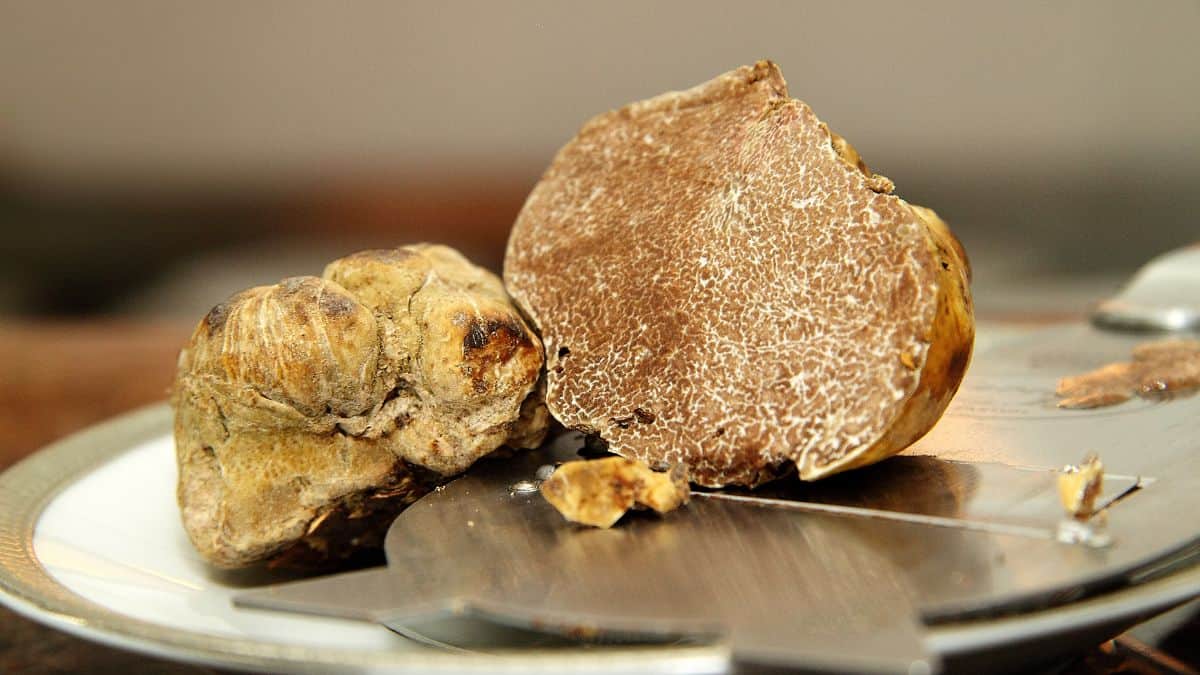
White truffles are prized for their rarity and intense aroma. They are shaved over pasta or risotto in very thin slices. However, their flavor is so delicate that it can fade quickly when cooked.
Many people end up paying a lot for something they barely taste. The effect is usually underwhelming unless you eat them fresh in a perfect setting. A simple garlic or herb sauce can often provide more memorable flavor.
Microgreens
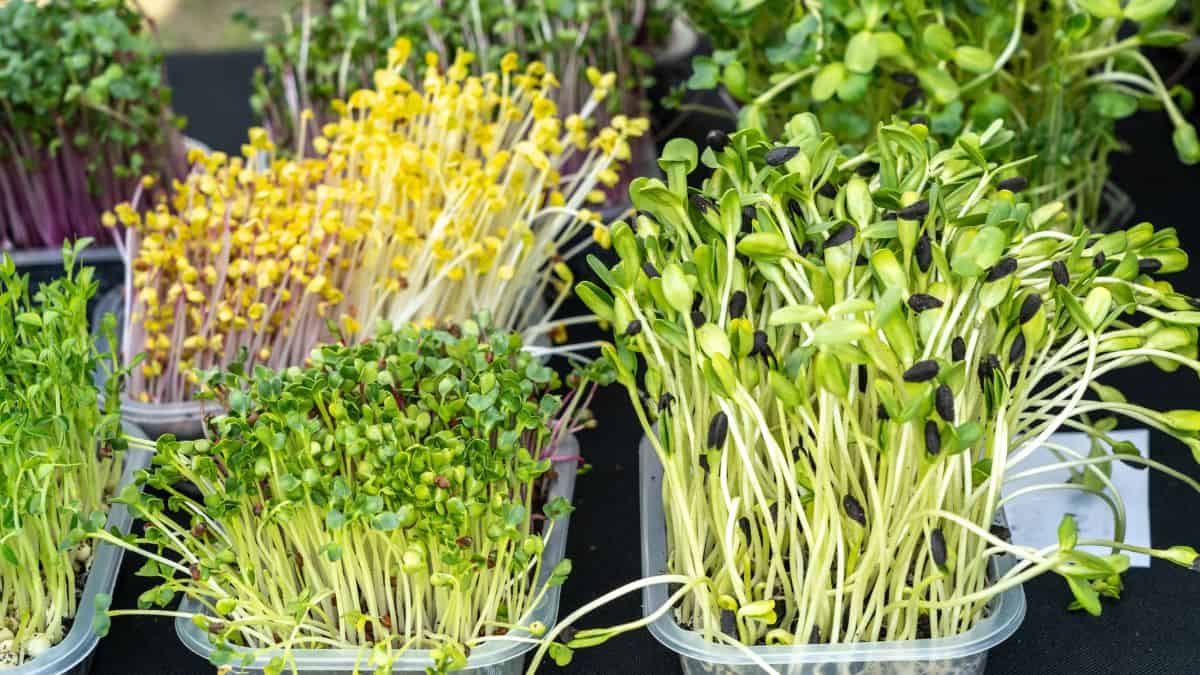
Microgreens are tiny sprigs of young vegetables used to garnish plates. They look stylish but add very little flavor. Sometimes they can even taste bitter, which distracts from the meal.
Restaurants use them to make plates look modern, but they don’t really improve the eating experience. For home cooks, they are usually an unnecessary expense. Regular herbs like parsley or basil bring both beauty and flavor without the fuss.
Squid Ink
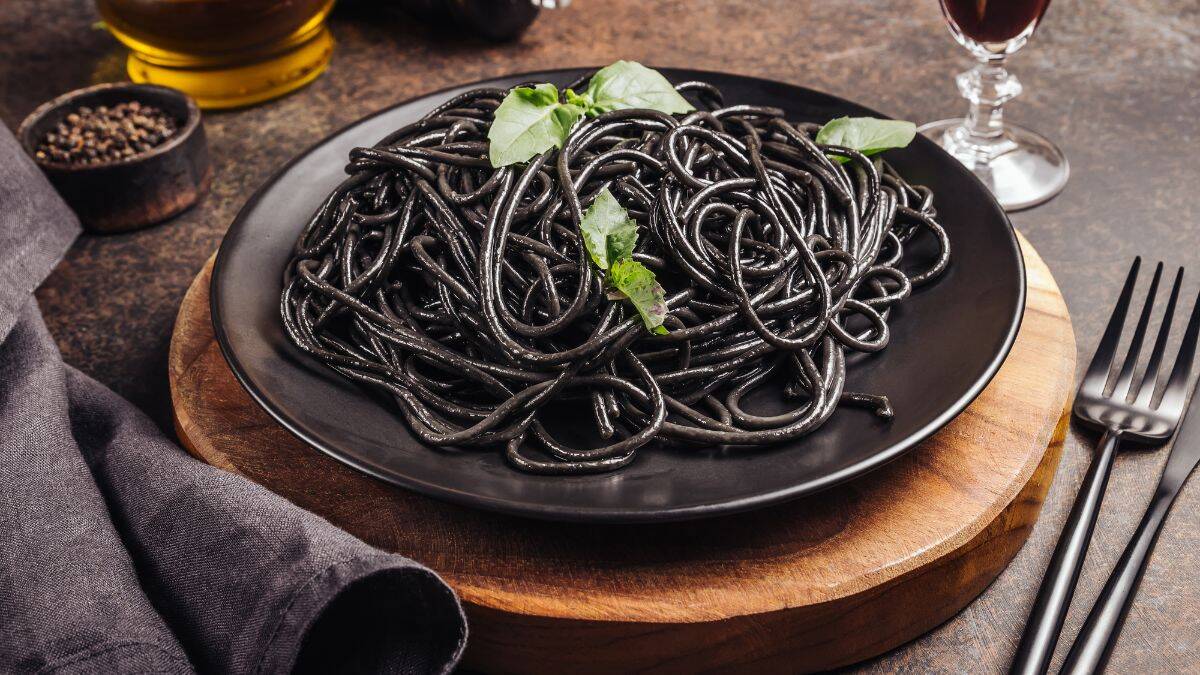
Squid ink is often used to make pasta or sauces turn black. While it looks striking, the taste is usually mild and sometimes unpleasantly briny. It can give food a slightly metallic flavor that doesn’t appeal to everyone.
Many people try it once for the novelty and never crave it again. The visual effect might impress, but the eating experience often disappoints. A flavorful tomato or cream sauce usually makes pasta more enjoyable.
Wagyu Beef Fat
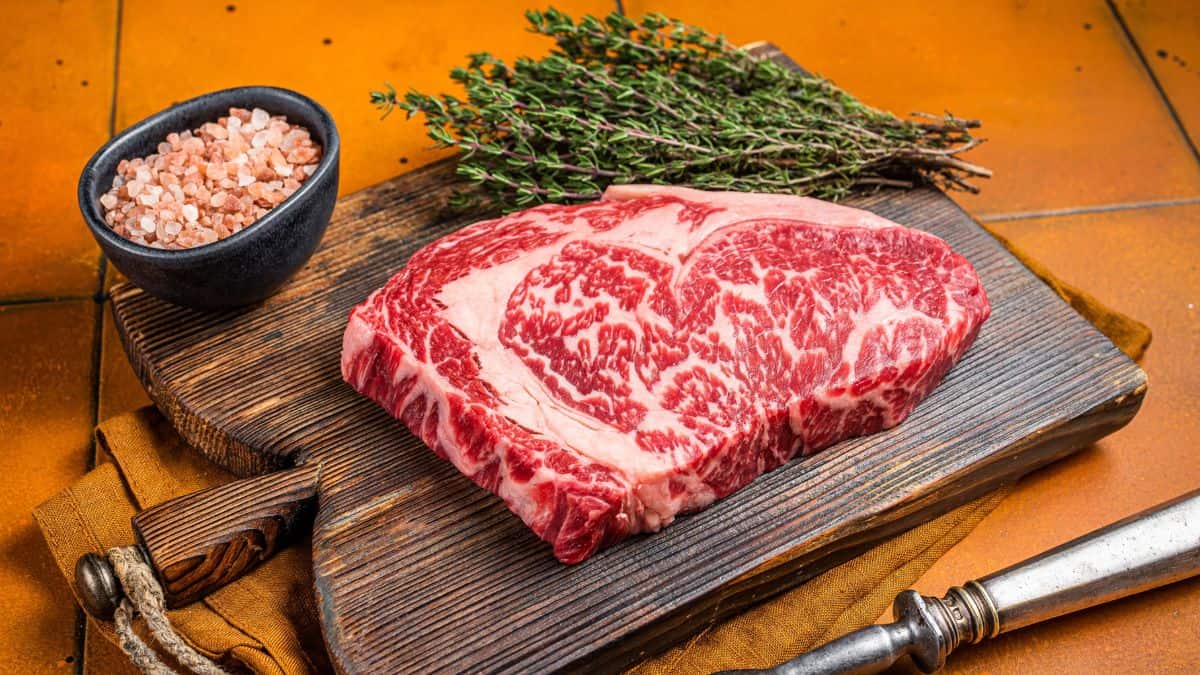
Wagyu beef is famous for its marbling and tenderness, but using only the fat is another story. Some chefs melt it into sauces or drizzle it over food. The result is often too greasy, masking the natural flavor of the dish.
Instead of elevating the meal, it can leave it feeling heavy. The meat itself can be excellent, but the extra fat rarely adds value. A lean cut of beef with proper seasoning often tastes better and feels cleaner.
Activated Charcoal
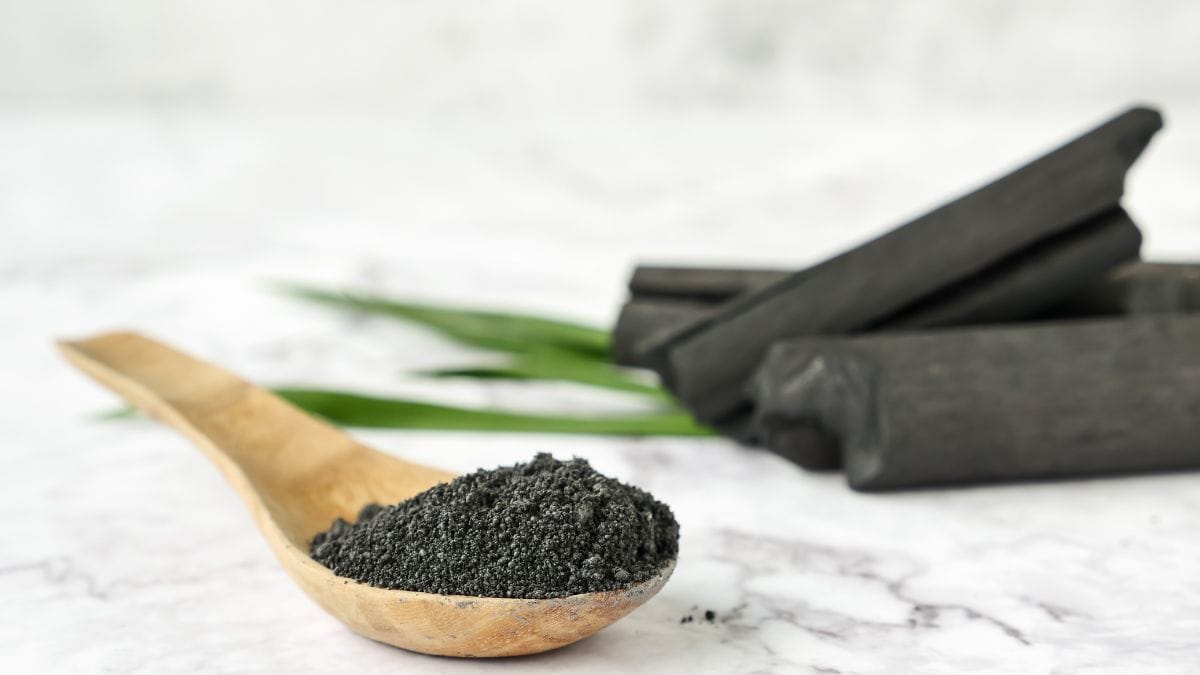
Activated charcoal has become trendy in ice creams, drinks, and breads. While it makes food look dramatic and black, it adds almost no flavor. In fact, it can leave a chalky texture that feels odd in the mouth.
Some health claims about it are also overstated. Many people try it once for the color but don’t go back for more. Natural flavors like cocoa or berries make food beautiful and delicious without the gimmick.
Black Garlic
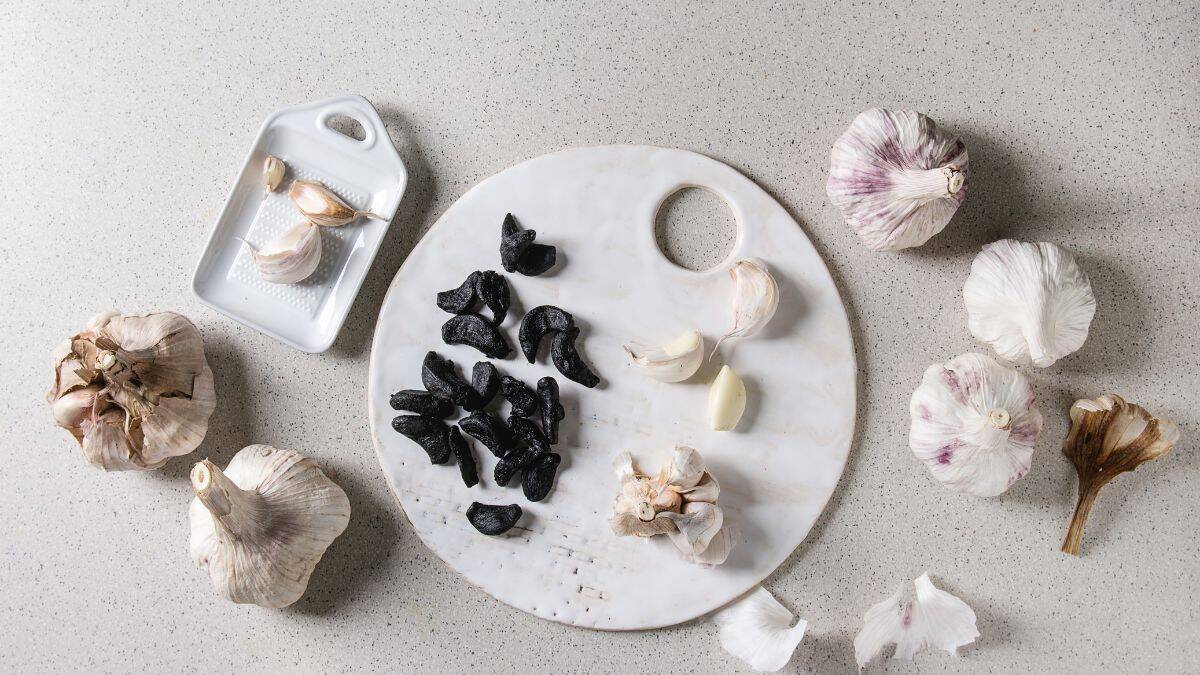
Black garlic is regular garlic that has been aged until it turns dark and soft. It sounds exotic, but the flavor can be disappointing. Instead of bold garlic taste, it has a mild sweetness that often disappears in cooking.
Chefs sometimes add it to sauces or dressings, but it rarely makes a dish taste better than fresh garlic would. The hype makes it seem magical, but in practice, it’s underwhelming. A clove of fresh roasted garlic usually gives stronger, tastier results.
Fancy Salts
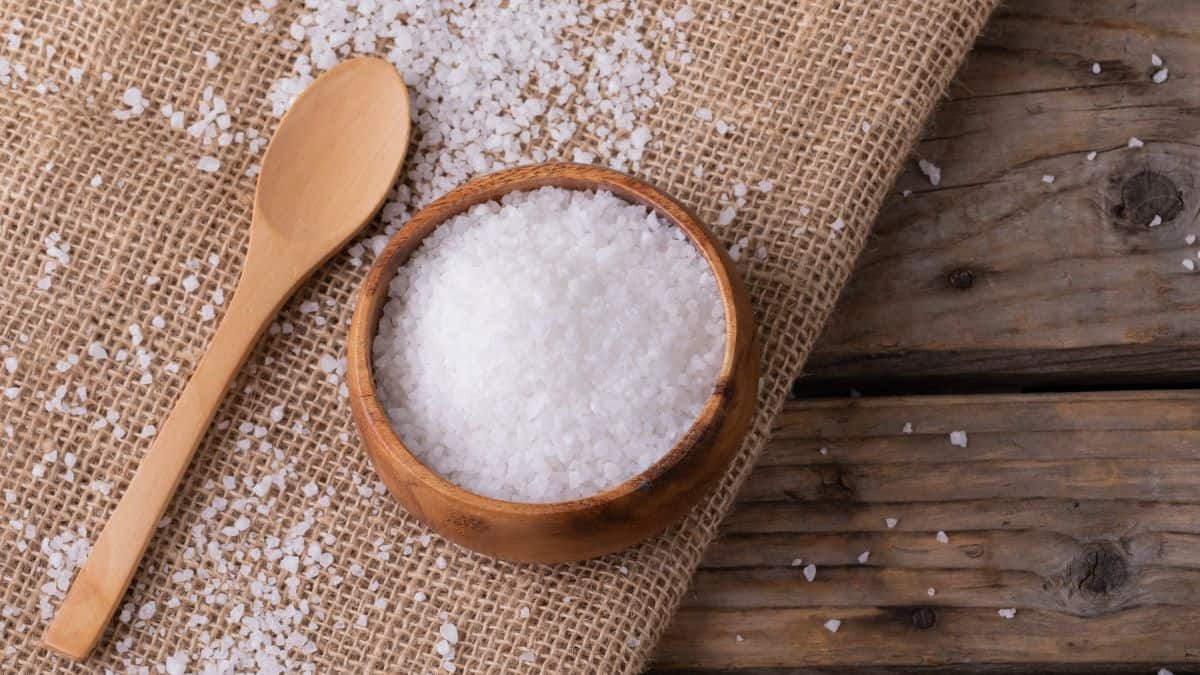
Pink Himalayan salt, black lava salt, and other gourmet salts look interesting. The truth is, they taste almost the same as regular salt. Most people can’t tell the difference once it’s mixed into food.
Buying them often just means spending more money for little change in flavor. They may look nice sprinkled on top, but their benefits are mostly visual. Standard sea salt usually works just as well, if not better.
Matcha Powder in Food

Matcha is a type of green tea powder that has become popular in desserts and drinks. While it works well in tea, it doesn’t always blend nicely into baked goods. It can leave a bitter, grassy flavor that overpowers sweet recipes.
Chefs use it to make foods look trendy with a green tint, but the taste often confuses people. A simple vanilla or chocolate flavor usually pleases more. Matcha belongs best in a cup, not a cake.
Rose Water

Rose water is used in baking and cocktails to add floral notes. Unfortunately, it often tastes like perfume. Too much can make a dish smell like soap or lotion. Many people find it distracting instead of delicious.
Chefs use it to create exotic-sounding desserts, but it rarely improves food. Citrus zest or vanilla extract usually gives a more pleasant flavor.
Liquid Nitrogen Tricks
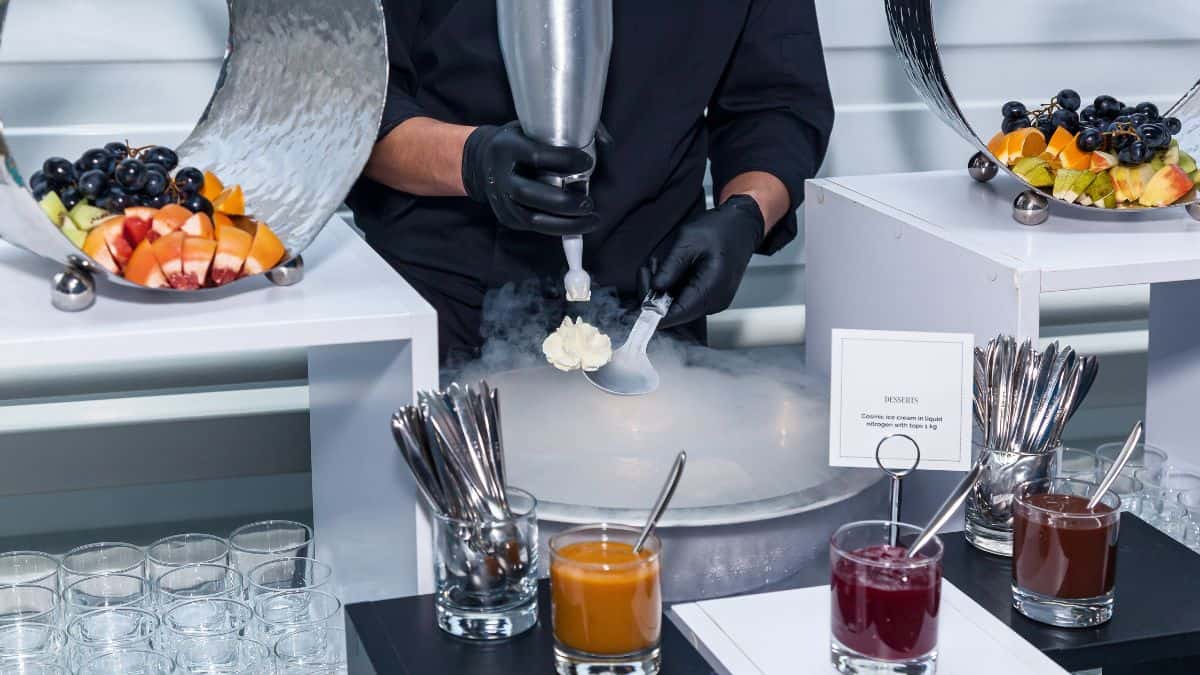
Some restaurants use liquid nitrogen to create smoky, frozen effects at the table. While it looks dramatic, it doesn’t actually improve the taste of food. In fact, it can make dishes overly cold or brittle.
The show is fun for a few seconds, but the eating experience is often disappointing. Diners usually remember the smoke more than the flavor. Warm, freshly prepared food tends to satisfy more than frozen tricks.
Ambrosia
I learned today that foi gras is just the duck or gooses' diseased liver. I never wanted to try it before, and that knowledge means I will actively avoid it forever.