
Food is part of our daily lives, but not every story about its origin is true. Over time, myths and tall tales about how certain foods started have been passed down. Some of these stories were created for marketing, while others just grew out of local folklore.
Want to Save This Recipe?
Enter your email & I'll send it to your inbox. Plus, get great new recipes from me every week!
By submitting this form, you consent to receive emails from Blue's Best Life.
These made-up origins can sound entertaining, but they often have little to do with reality. What people believe about a food’s past can sometimes shape how we view it today. Let’s look at some everyday foods with origins that are more fiction than fact.
Sandwich Stories That Don’t Add Up
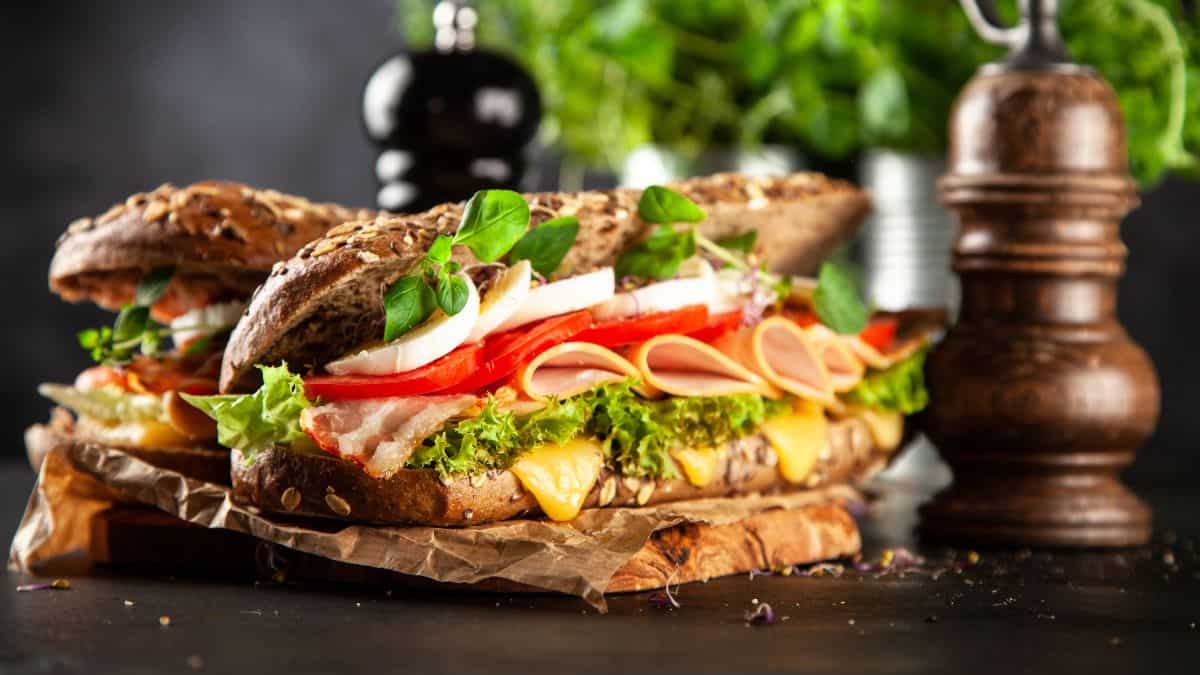
The popular tale says the sandwich was invented by the Earl of Sandwich who wanted to eat without leaving the card table. While it makes for a fun story, eating bread with fillings existed long before that time. Many cultures were already stacking meats and spreads on bread.
The Earl’s version likely just popularized the idea in England, not created it. Still, the story has stuck and shaped how we explain the name. The sandwich is now one of the most famous foods tied to a legend rather than fact.
The Tale of the Bagel’s Royal Gift
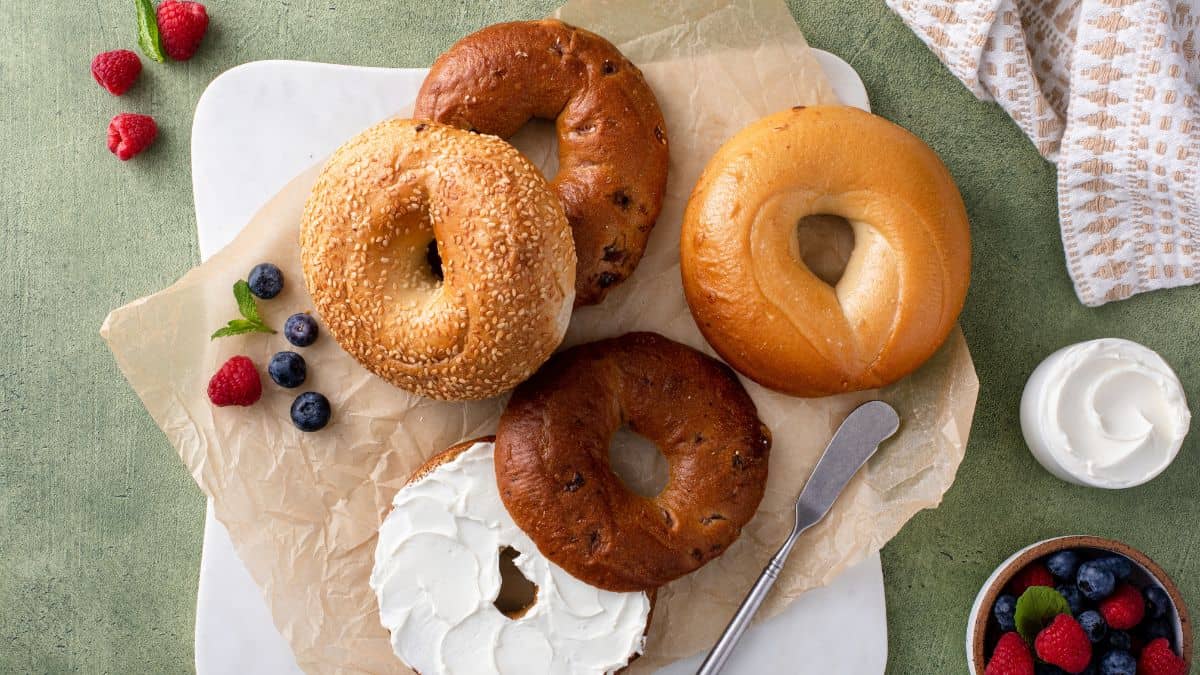
There is a story that the bagel was created in Poland as a gift to a king after a battle victory. It is said to be shaped like a stirrup to honor the king’s skills on horseback. Historians, however, found evidence of ring-shaped breads long before this event.
The story sounds nice but is more symbolic than true. Bagels became popular in Jewish communities through tradition, not a royal gift. Today, the myth still adds a charming flavor to the bagel’s history.
The Cookie Accident That Wasn’t
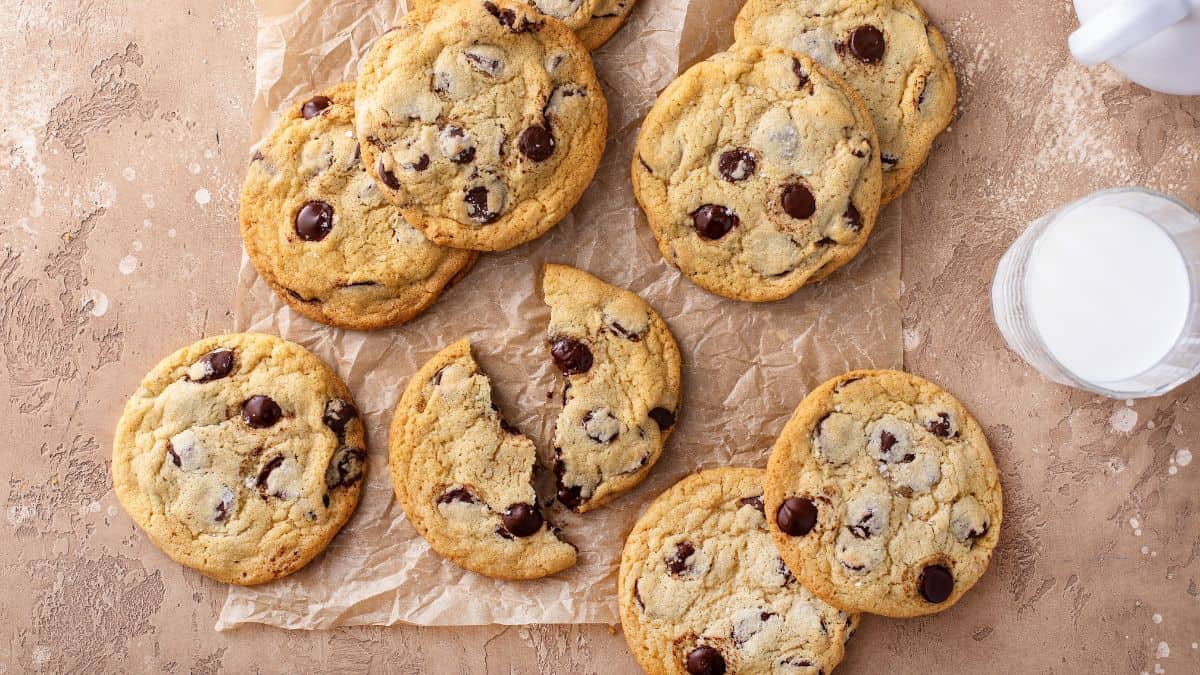
The myth says chocolate chip cookies were accidentally made when a baker ran out of regular chocolate. In truth, Ruth Wakefield of the Toll House Inn intentionally cut up chocolate bars to create the recipe. She wanted to try something new, not just fix a mistake.
The story of an accidental creation makes it sound more magical. Still, careful experimentation gave us this classic cookie. The real story shows how creativity beats coincidence.
Apple Pie and Its False American Roots

Many people think apple pie is purely American, but its roots trace back to Europe. Recipes for apple pie appeared in England and the Netherlands long before America even existed. The slogan “as American as apple pie” is more about patriotism than history.
This phrase spread during times when Americans wanted a symbol of tradition. In reality, apples themselves were brought over by European settlers. The pie we know today is a mix of many cultural influences, not a single American invention.
Fortune Cookies and the Wrong Country

Most people think fortune cookies are a Chinese tradition, but they actually started in California. The myth ties them to ancient Chinese culture, but they are not found in China at all. Instead, they were created by Japanese immigrants in the early 1900s.
Over time, American Chinese restaurants adopted them and popularized the myth. Many now see the fortune cookie as “Chinese” despite its American origin. This shows how culture and marketing can blur reality.
Carrot Myths About Vision

A well-known myth says carrots were promoted in World War II to explain why pilots had good night vision. The British military spread the story to hide their use of radar technology. People believed carrots gave super eyesight, and the myth stuck.
In truth, carrots are healthy but do not dramatically improve night vision. The story was clever wartime propaganda. Today, parents still tell kids that carrots make eyes stronger, even though it is mostly fiction.
French Fries That Aren’t Really French
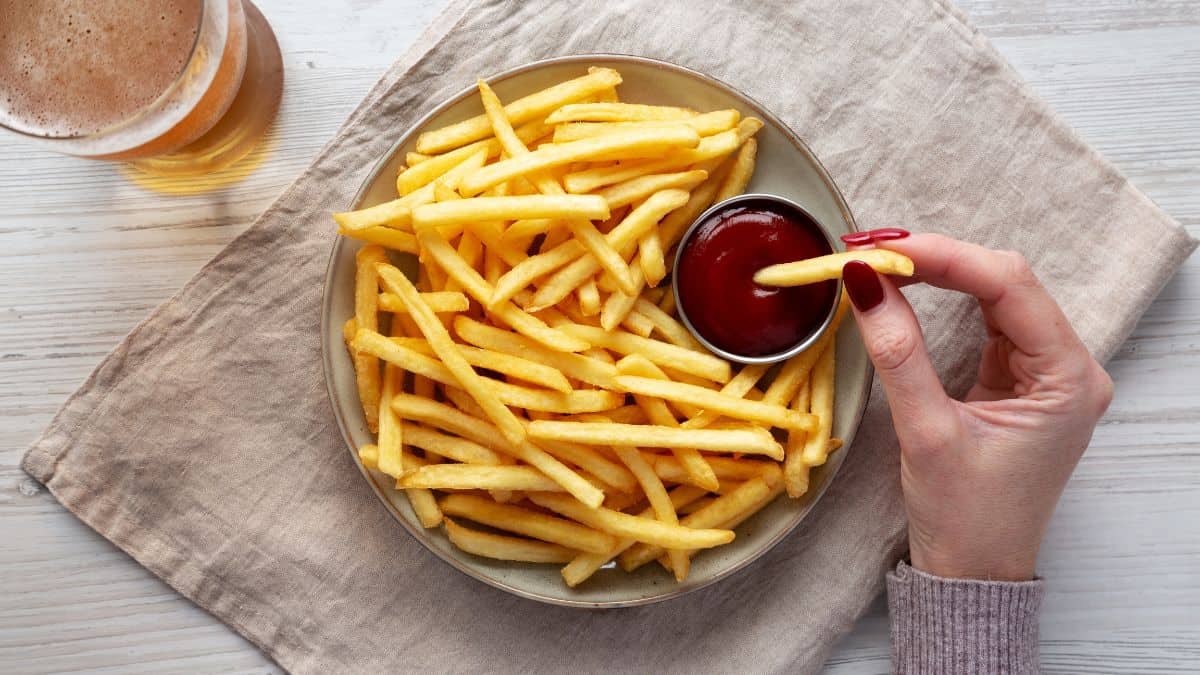
French fries are often linked to France, but their real roots may lie in Belgium. The story says villagers fried fish but switched to potatoes when rivers froze. France helped spread the dish worldwide, leading to the popular name.
The “French” label may have come from the language spoken in Belgium. Still, the myth makes people assume France invented them. The truth is a little blurrier, but the made-up part is the name itself.
Caesar Salad Without Julius Caesar

The Caesar salad is often thought to be linked to the Roman leader Julius Caesar. It was created by a restaurateur, Caesar Cardini, in Mexico during the 1920s.
Tourists loved the simple recipe, and the name stuck. The Roman connection is just a playful assumption. Over time, many people accepted it as truth. This shows how names can easily confuse a dish's history.
Nachos and the Invented Legend
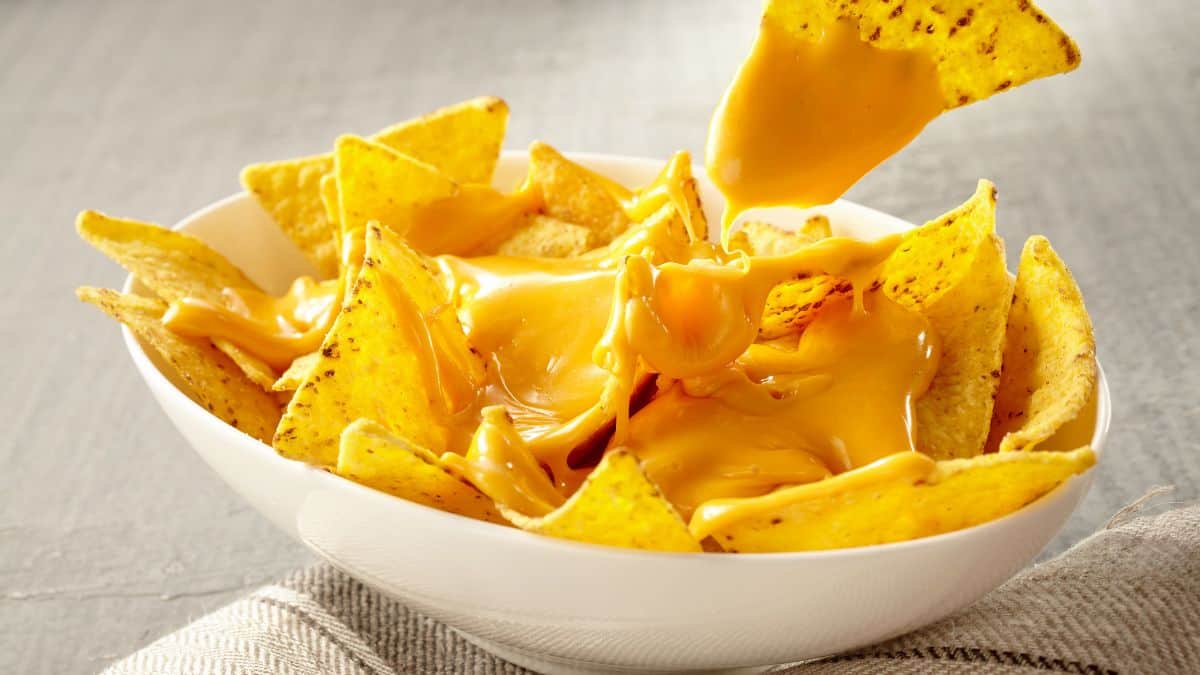
Some believe nachos came from ancient Mexican traditions, but they were a much newer invention. The story says Ignacio “Nacho” Anaya made them in the 1940s for hungry customers. He combined tortillas, cheese, and jalapeños as a quick fix.
Over time, the name “nachos” spread with different toppings added. The myth of deep history made them seem more authentic than they really are. In truth, they were more of a happy accident than an ancient recipe.
Popsicles and the Frozen Mistake

The common tale says a boy accidentally left soda powder and water outside in the cold, creating popsicles. While this has truth, the story is often stretched to make it sound more dramatic. The boy, Frank Epperson, did patent his invention later in life.
He built a business around it, which was not accidental at all. Thanks to marketing, the frozen treat spread worldwide. The myth of a simple mistake makes the story sound more fun than it really was.
Potato Chips and the Angry Chef Story
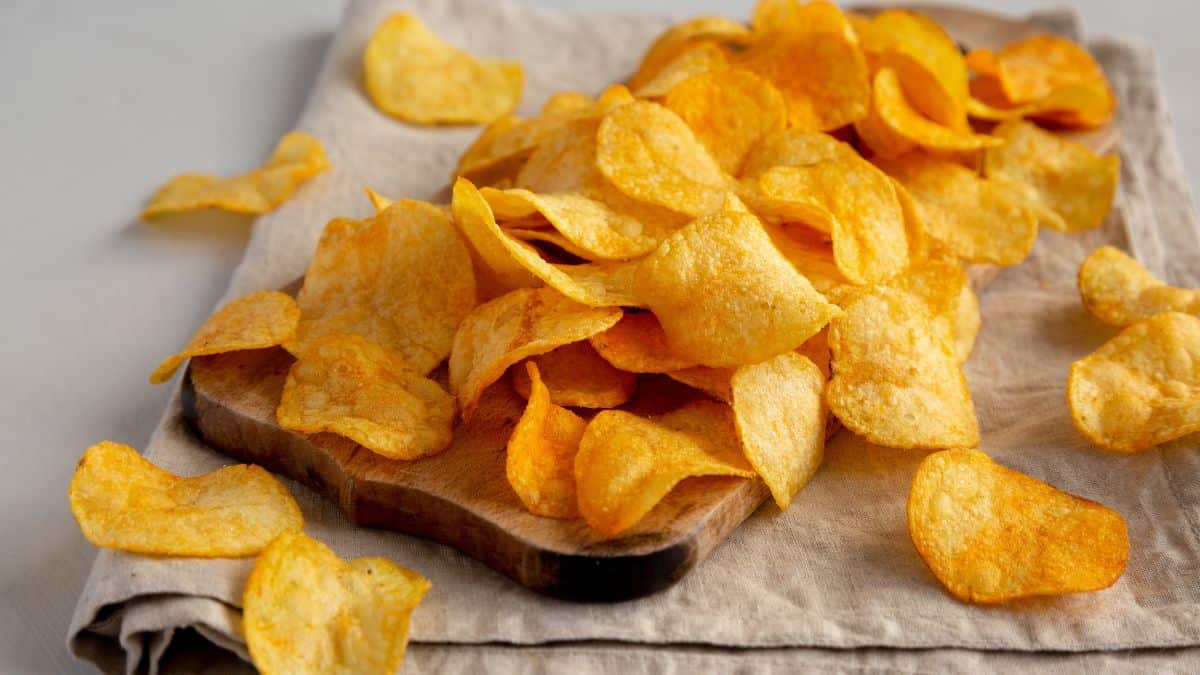
There is a story that potato chips were invented by a chef angry at a picky customer. He sliced potatoes very thin to annoy the customer, only to find they were loved. While it makes for a dramatic story, thin fried potatoes existed earlier.
The legend grew because people liked the colorful backstory. It gave potato chips a fun origin tale that helped sell them. The real history is less exciting, but the myth lives on.
Pretzels and the Monk’s Reward

The story says monks made pretzels to reward children for learning prayers. The twisted shape was said to represent folded arms in prayer. This tale has no real proof but has been repeated for centuries.
Pretzels likely originated from simple bread-making traditions. The religious tie was probably added later to give the snack meaning. Even so, the story adds a spiritual charm to the snack.
Brownies and the Forgetful Baker
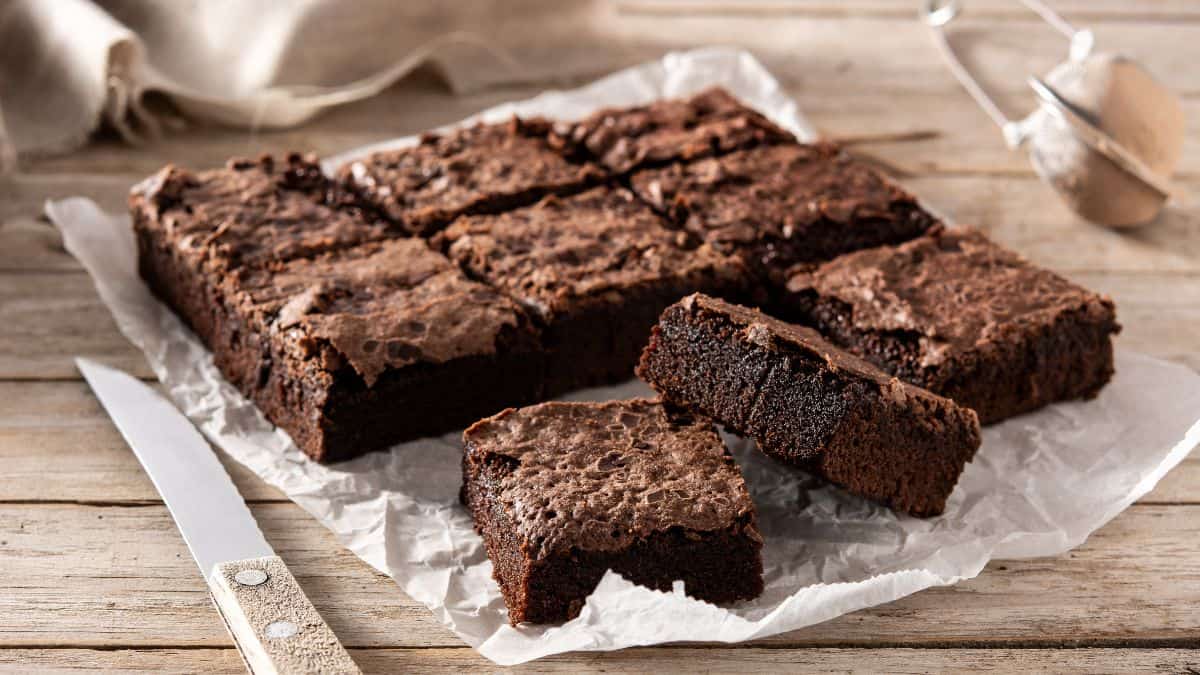
A common myth says brownies were invented when a baker forgot to add baking powder. While the flat, chewy texture could support this story, it is not true. Recipes for brownies were carefully crafted with intention.
The story spread because mistakes make better legends. People liked the idea that a sweet treat came from an accident. In reality, brownies were designed on purpose and tested like any recipe.
Popcorn and the Thanksgiving Tale

Some stories say popcorn was served at the very first Thanksgiving. While corn was part of Native American diets, popcorn itself was not recorded at the event. The story was later added to make the holiday feel more traditional.
Popcorn was already popular in Native cultures but not tied to pilgrims. The myth stuck because it fits nicely with the image of Thanksgiving. Today, people still imagine popcorn at that famous meal even though it was unlikely.
Spaghetti and Marco Polo’s Journey
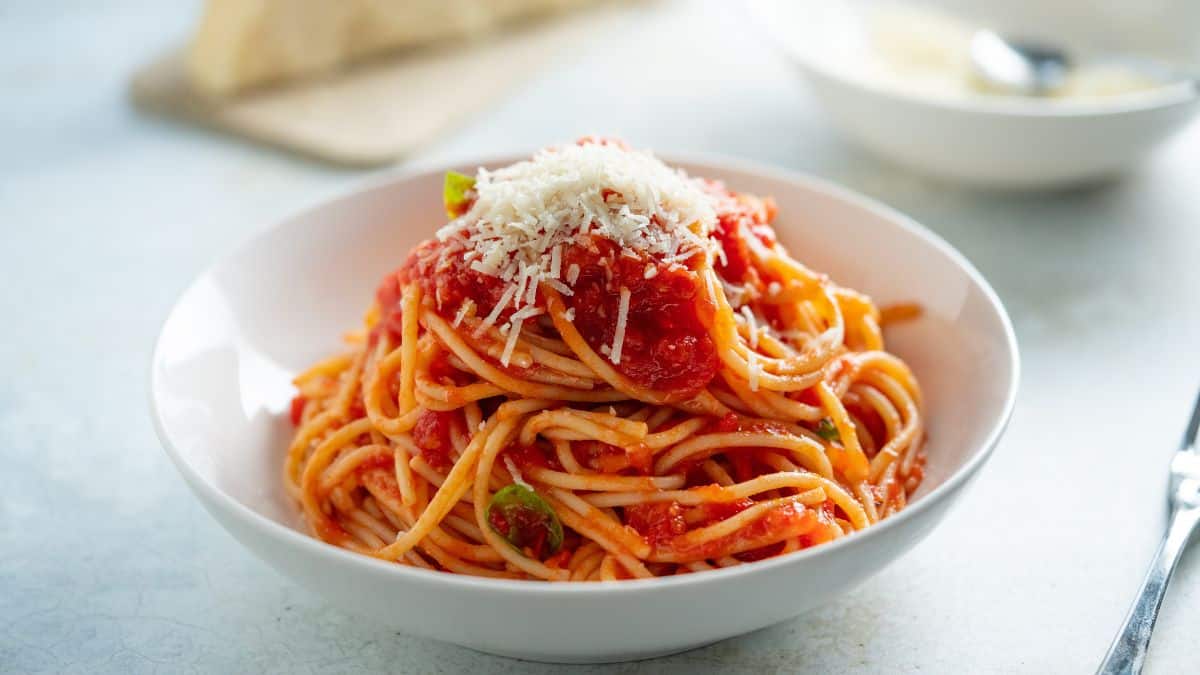
There is a myth that Marco Polo brought spaghetti to Italy from China. In truth, pasta existed in Italy long before Marco Polo’s travels. Ancient Romans already had forms of pasta in their diet.
The story was created to make history sound more adventurous. Marco Polo may have seen noodles in China, but he did not introduce spaghetti. The myth remains popular because it makes for a romantic food tale.
Leave a Reply