
Some stories about where our favorite foods came from sound amazing, but they’re not true. Over time, myths, jokes, and marketing tricks have made people believe things that never really happened. These made-up origins can be funny, strange, or just plain impossible.
Want to Save This Recipe?
Enter your email & I'll send it to your inbox. Plus, get great new recipes from me every week!
By submitting this form, you consent to receive emails from Blue's Best Life.
Some were invented to sell more products, while others became popular because they were repeated so often. Even though the real histories are different, the fake ones have their own charm. Here are some everyday foods with completely invented backstories.
Carrots Were Invented to Help People See in the Dark

One of the most popular carrot myths says they were made during World War II to help pilots see at night. The story claimed carrots gave soldiers super night vision. In reality, the British military used this rumor to hide their new radar technology.
While carrots do have vitamin A, which supports healthy eyesight, they don’t turn you into a night-vision hero. The myth was so convincing that people ate more carrots than ever before. It’s a clever example of food-based propaganda.
Croissants Were Created to Celebrate Victory Over an Army

Many people believe croissants were invented in Austria to celebrate a victory over the Ottoman Empire. The story says bakers made the pastry in the shape of the crescent moon on the Ottoman flag. While it’s a fun and dramatic idea, there’s no real proof it happened this way.
Croissants as we know them actually developed in France years later. The myth sticks because it sounds so deliciously historic. It’s a pastry with a patriotic twist that never really was.
Sandwiches Were Named After a Man Who Didn’t Want to Stop Gambling
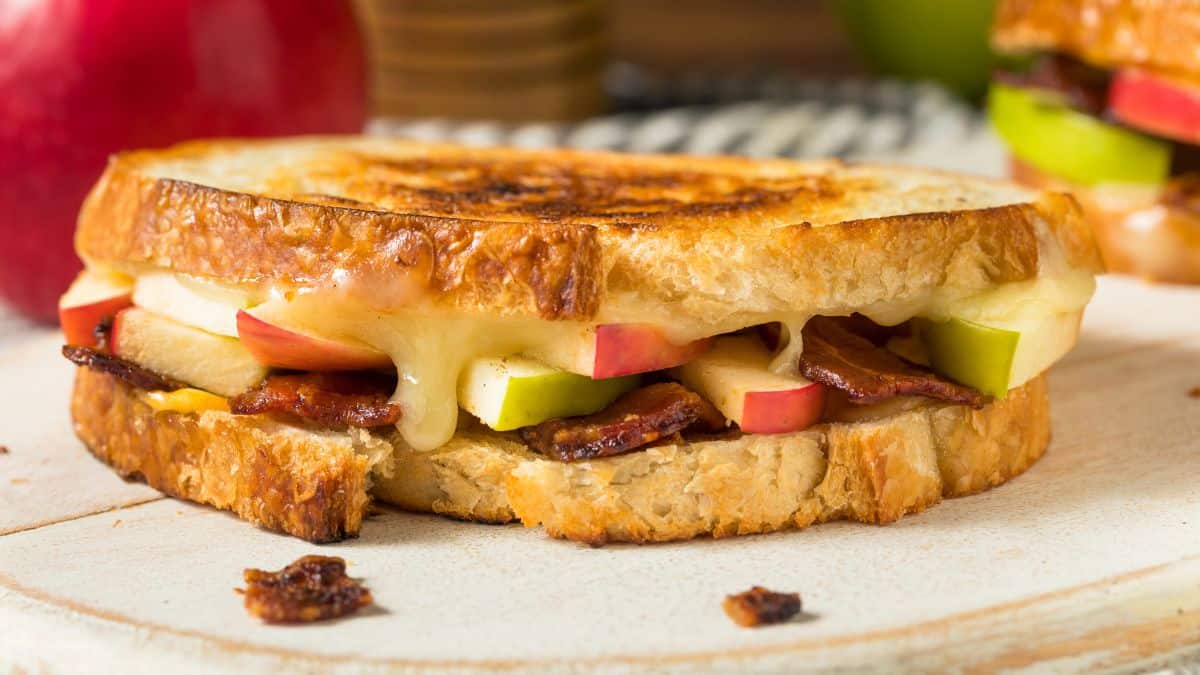
The story goes that the Earl of Sandwich asked for meat between bread so he could keep playing cards without using a fork. While the Earl was a real person, this specific tale is more legend than fact. The idea of eating meat and bread together existed long before he was around.
Still, the catchy story helped give the snack its name. People liked the image of a man so focused on cards he changed food history. It’s a mix of truth and embellishment.
Caesar Salad Was Created for Julius Caesar
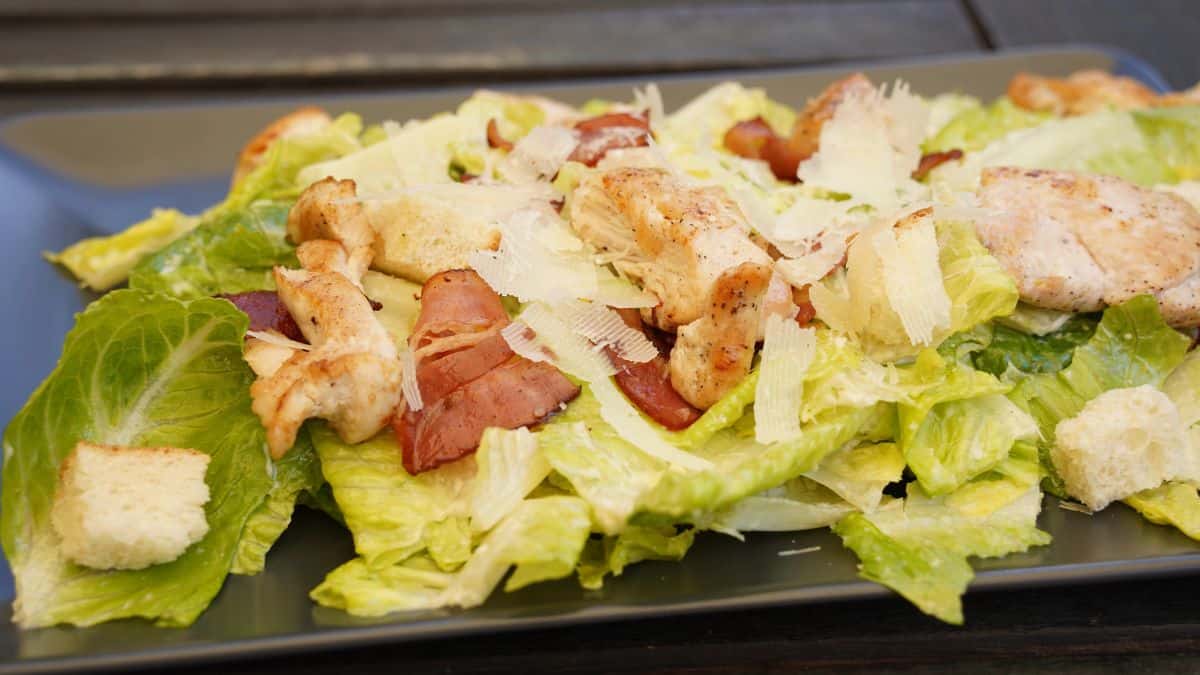
Many think Caesar salad was named after the famous Roman leader. In truth, it was created by a chef named Caesar Cardini in Mexico in the 1920s. The made-up link to Julius Caesar makes it sound ancient and grand.
The real origin is much more modern and simple. The myth probably spread because the name was too perfect to ignore. It’s proof that a name alone can spark a story.
Fortune Cookies Came from Ancient China
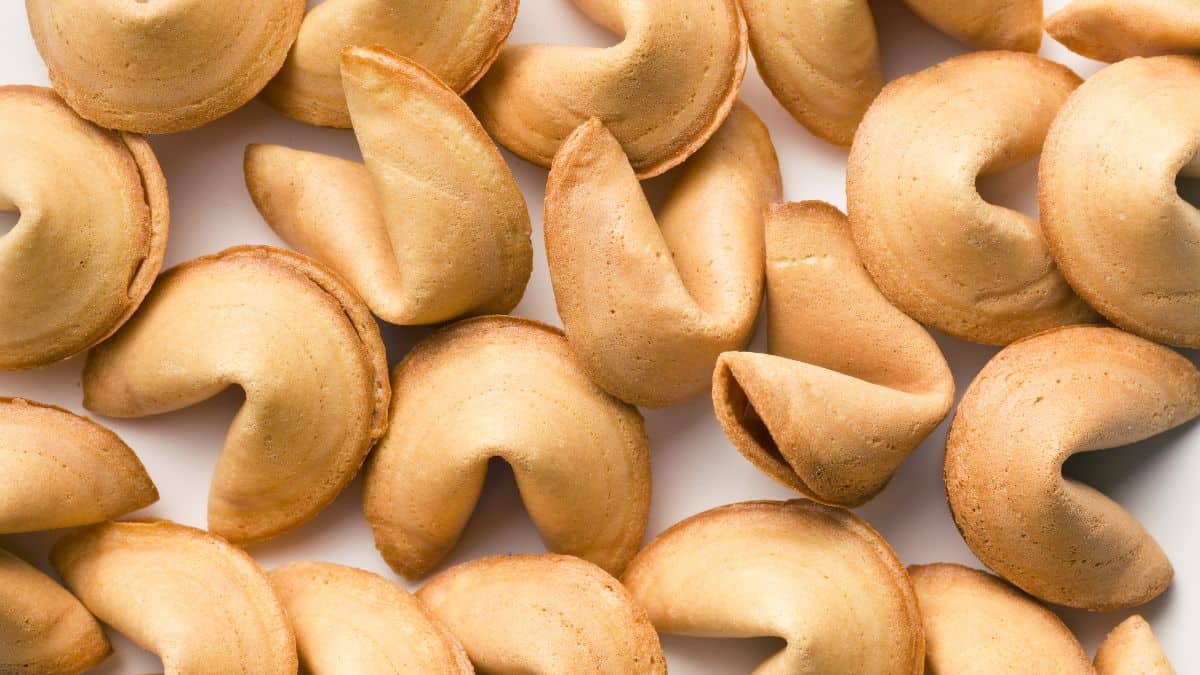
Most people assume fortune cookies have been part of Chinese culture for centuries. In reality, they were invented in the United States, most likely in California.
The myth may have started as a clever marketing trick to make them seem more authentic. Real traditional Chinese desserts are quite different. Still, their holding ancient wisdom is too fun to give up. It’s a dessert built on a dream.
French Fries Came from France
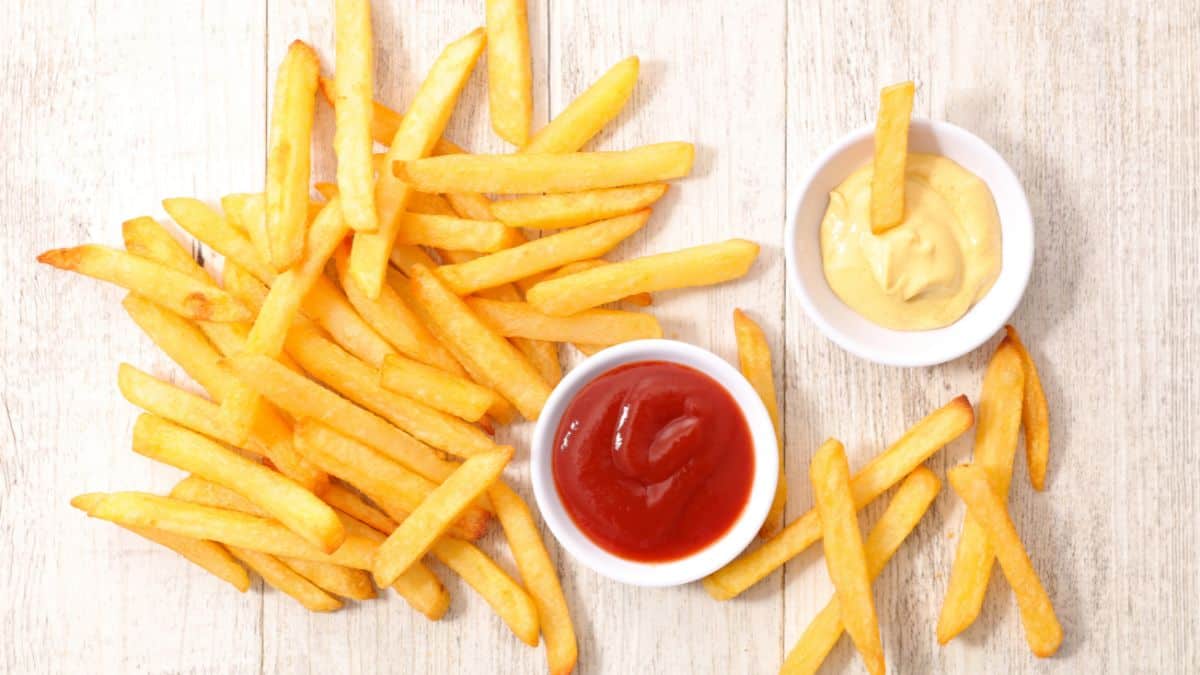
The name makes it easy to believe French fries were born in France. The truth is, Belgium claims to be their real birthplace. The “French” name may have come from the language spoken in parts of Belgium.
The false origin stuck because it was simple and sounded fancy. Now, the myth is so common that many never question it. It’s a crispy case of mistaken identity.
Apple Pie Is as American as It Gets

The saying “as American as apple pie” sounds like the dessert was invented in the United States. Apple pie recipes existed in Europe centuries before America was founded.
The myth grew because apple pie symbolized American culture during the 20th century. Its wholesome image made it the perfect patriotic food. People embraced it as their own, even if the history didn’t match. It’s a sweet slice of national pride.
Nachos Were Invented for Ancient Aztec Warriors
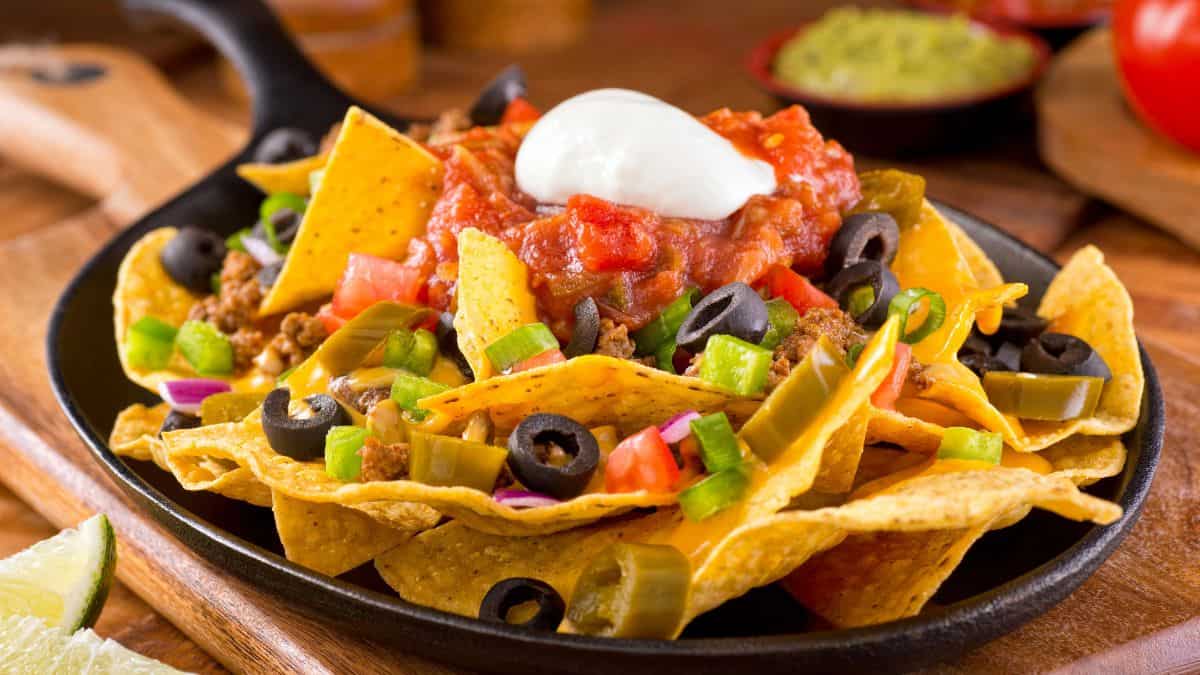
Some tall tales claim that nachos were eaten by ancient Aztec soldiers for energy. The truth is, they were invented in the 1940s by a restaurant worker in Mexico named Ignacio “Nacho” Anaya.
The Aztec version makes them sound historic and powerful. In reality, they were made quickly for hungry customers. The false history adds a sense of mystery and strength. But the real story is just as charming.
Hamburgers Came from Hamburg, Germany

It’s easy to believe hamburgers were invented in Hamburg, Germany. While there is a connection in name, the modern hamburger was developed in the United States.
The myth makes them sound like a direct German import. In reality, ground beef dishes existed there, but not in a sandwich form. The false origin gave the burger an international flair. It’s a tasty example of name-based confusion.
Popcorn Was a Snack at Ancient Roman Theaters

One fake story says popcorn was served to audiences in ancient Rome. In truth, popcorn was eaten by Indigenous peoples in the Americas thousands of years before movies even existed. The Roman theater connection is pure imagination.
Still, it’s easy to picture toga-wearing crowds munching away. The real history is just as impressive, but the false one is more playful. It shows how myths can cross continents and centuries.
Chocolate Chip Cookies Were a Baking Accident

The myth says a baker accidentally dropped chocolate chunks into dough, expecting them to melt completely. In truth, Ruth Wakefield of Toll House Inn knew exactly what she was doing when she created them.
The “happy accident” version makes the story sound magical and lucky. The real one is about skill and creativity. The myth is easier to tell in one sentence, which is why it spread. It’s a sweet case of fact getting sugar-coated.
Spaghetti Came from Marco Polo’s Travels
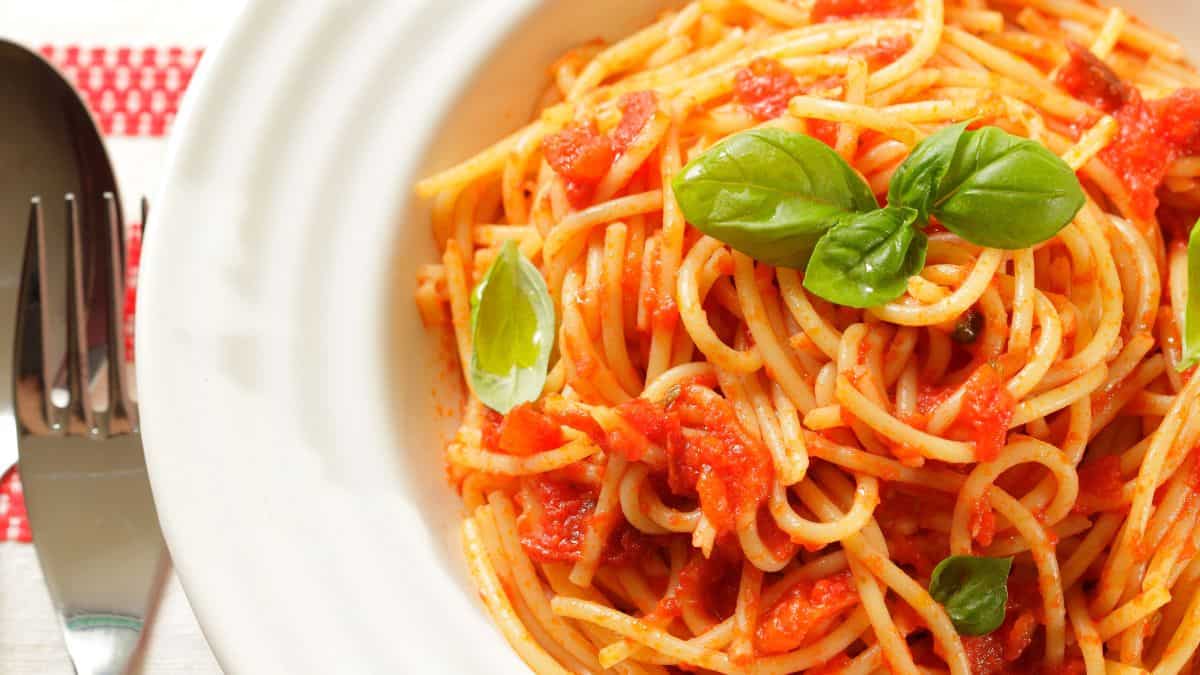
A popular story says Marco Polo brought pasta from China to Italy. While he did travel widely, pasta was already being made in Italy before his time. The myth paints him as the hero who introduced it to Europe.
It likely spread because people love a single, simple explanation for big cultural changes. The truth is more complex and less romantic. It’s a tangled tale, just like spaghetti itself.
Bagels Were Invented to Honor a King
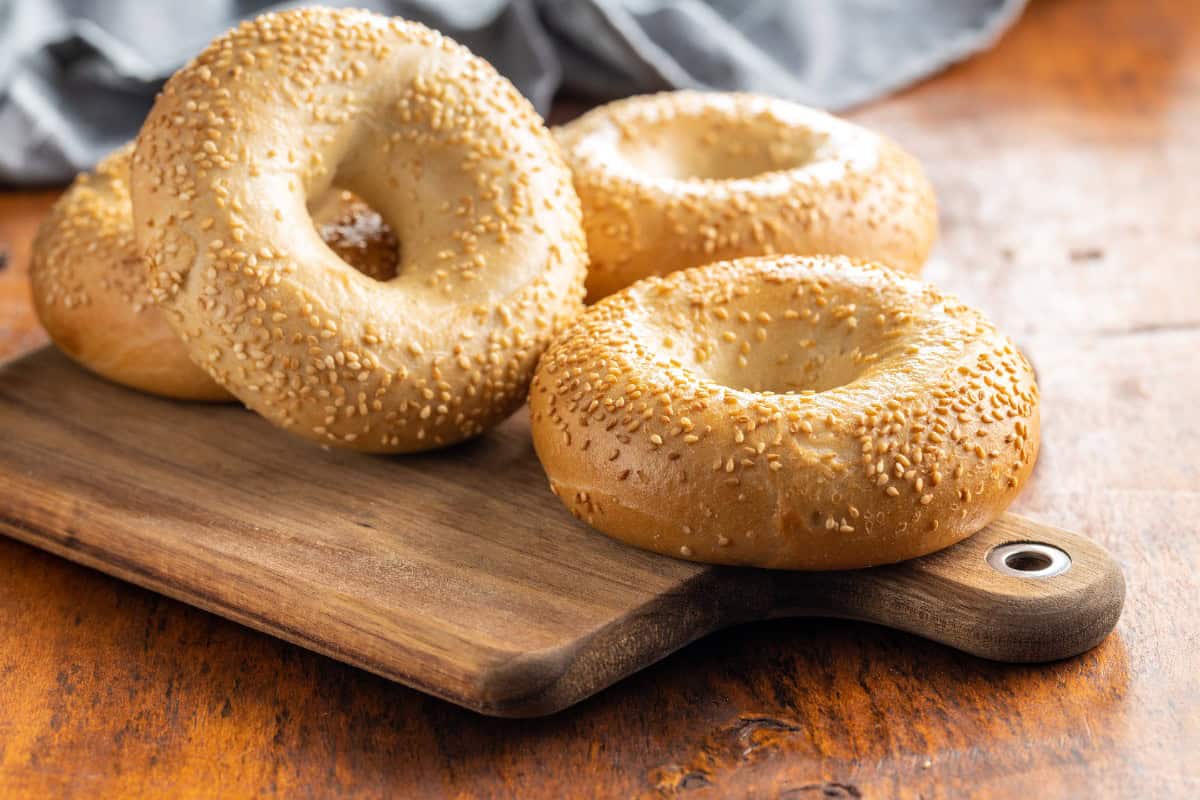
One tale claims bagels were made in Poland to honor a king who loved horseback riding. The round shape supposedly represented a stirrup. While charming, there’s no strong evidence this happened.
'Bagels have a long history, but the royal connection seems invented. It’s a story that gives a humble bread a noble twist. The real origin is more about community than kings.
Cowboys created Chili on the Trail

The cowboy origin story says chili was invented by cowboys cooking over campfires in the Old West. While chili was eaten there, its roots go back to Mexican and Spanish cooking.
The cowboy version became popular in books and movies. It made chili sound rugged and adventurous. The real history is tied to cultures blending over centuries. The myth just adds a little extra spice.
Ice Cream Cones Were First Made by Accident at a Fair

A familiar story says ice cream cones were invented when a fair vendor ran out of bowls and used rolled-up waffles instead. While this might have happened once, cones existed in other forms.
The fair story is fun because it feels spontaneous. It makes the invention seem like a happy accident that changed dessert forever. In reality, the cone had a slower, less dramatic rise. The myth just makes it tastier to remember.
Leave a Reply