
Cooking at home can be fun, healthy, and rewarding, but messing up without realizing it is easy. Many of the most common cooking mistakes are small habits we pick up over time that hurt our food's flavor, texture, or appearance. Whether you're a beginner in the kitchen or someone who cooks daily, there's always room to grow.
Want to Save This Recipe?
Enter your email & I'll send it to your inbox. Plus, get great new recipes from me every week!
By submitting this form, you consent to receive emails from Blue's Best Life.
Knowing what not to do is just as important as following a recipe. Catching these simple mistakes can take your cooking from just okay to delicious. Let’s break down some of the most common slip-ups and how to fix them.
Not Preheating the Pan

Starting with a cold pan means your food won’t cook evenly. Meat can stick or cook unevenly, and veggies might turn soggy instead of crisp. Preheating allows for better browning, which adds flavor and texture.
This is especially important for recipes that rely on a good sear. Give your pan a minute or two over the heat before adding anything. You’ll notice a big difference in how your food turns out.
Crowding the Pan

Trying to cook too much at once causes food to steam rather than brown. This is a big reason why your roasted vegetables or sautéed chicken might look pale and taste bland.
Air and heat need space to move around in the pan. Instead, cook in smaller batches for better results. It might take more time, but the extra crisp and flavor are worth it. A little patience goes a long way in the kitchen.
Using the Wrong Cooking Oil

Not all oils can handle high heat. Some oils, like extra virgin olive oil, can burn and turn bitter if used for frying. For high-heat cooking, go with avocado, grapeseed, or canola oil.
Save your expensive oils for salad dressings or finishing touches. Knowing the smoke point of your oil helps avoid burned flavors. A simple swap can completely change the taste of your food.
Skipping the Salt

Salt isn't just for flavor; it also brings out the best in other ingredients. A lack of salt could be the problem if your food tastes flat or dull. Seasoning as you go is better than dumping salt in at the end.
Each layer of food needs a little bit of love. Don’t wait until the dish is done to check for seasoning. A well-salted meal is the secret to restaurant-quality flavor.
Cutting Meat Right After Cooking
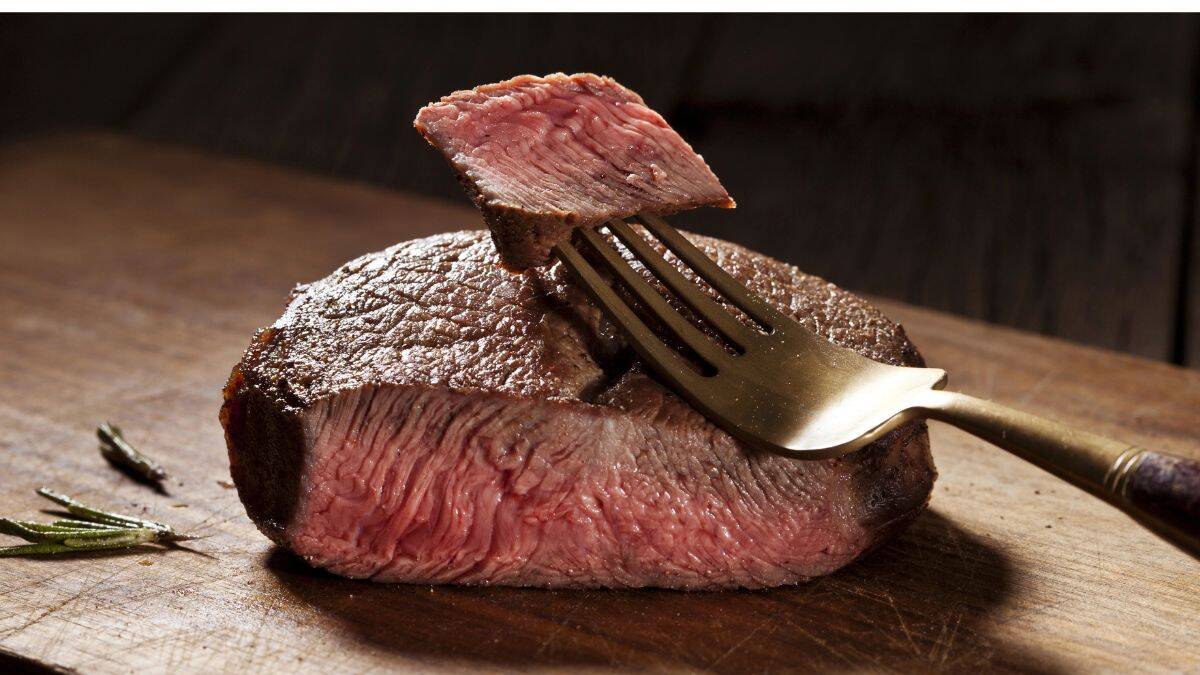
Slicing meat too soon lets all the juices run out, making the meat dry and less flavorful. Letting it rest allows the juices to settle and stay inside.
Rest time depends on the size; small cuts may need five minutes, and large roasts can need up to 15. Cover it loosely with foil to keep it warm. A short wait leads to a juicier, tastier bite.
Not Tasting as You Cook

Tasting your food while cooking is like checking your work as you go. It helps you know if you need more salt, spice, or sweetness. Waiting until the end might be too late to fix mistakes.
A spoonful here and there helps guide your adjustments. It’s a simple habit that leads to more balanced meals. Always keep a tasting spoon nearby.
Cooking Meat Straight from the Fridge

Cold meat doesn’t cook evenly and can stay raw in the center. Letting it sit at room temperature for 15–30 minutes helps it cook more consistently.
This is especially true for thick cuts like steak or pork chops. Room-temperature meat also gets a better sear. Don’t worry it won’t spoil in that short time. It just helps the cooking process along.
Boiling Instead of Simmering

Boiling is too harsh for most foods. It can break down delicate textures and turn stews or sauces watery. Simmering, which is a gentle bubbling, helps flavors develop more slowly and evenly.
Many recipes call for simmering, but people turn the heat up too high. Pay attention to the bubbles, slow and steady wins the flavor race. Lowering the heat can save your dish.
Not Reading the Whole Recipe First

Jumping into a recipe without reading it can lead to surprises halfway through. You might miss a step, forget to prep something, or run out of time. Reading ahead helps you stay organized and avoid stress.
It also lets you catch important tips or timing instructions. A quick five-minute read can make everything smoother. Don’t just skim, read it carefully before you start.
Using Dull Knives

Dull knives are dangerous because they slip more easily. They also make it harder to cut cleanly, especially with delicate foods. Keeping your knives sharp helps you work faster and safer.
Plus, it makes prep work more enjoyable. A sharp knife should glide through ingredients with little force. Take time to sharpen them or have them professionally done.
Ignoring Your Oven Temperature

Oven dials aren’t always accurate. If your cookies always burn or your casseroles cook unevenly, it might be the oven. Use an inexpensive oven thermometer to check the true temperature.
You might be surprised by how far off it is. Knowing the right temperature helps you bake and roast more confidently, and precision matters, especially in baking.
Using Wet Ingredients for Frying
Adding wet food to hot oil is a recipe for splatter and soggy results. Always pat your ingredients dry with a paper towel before frying. Moisture lowers the oil temperature, preventing a crisp crust.
This is key for frying fish, chicken, or even potatoes. Dry food equals crunchy food. It’s a small step with a big payoff.
Overmixing Baked Goods

Mixing too much dough or batter can make baked items tough or chewy. It can also develop too much gluten, especially in muffins, pancakes, or cakes.
Stop mixing as soon as the ingredients come together. A few lumps are okay, they’ll smooth out while baking. Less mixing often means a fluffier texture. Be gentle with your batter.
Not Measuring Ingredients for Baking

Unlike cooking, baking is a science. Too much flour or not enough baking powder can ruin a recipe. Always measure carefully, using the right tools.
Scooping flour with a cup directly from the bag packs it too tightly. Spoon it into the cup and level it off for accuracy. Precision leads to better, more consistent results.
Leaving Food Unattended

Walking away while something is on the stove can lead to burning, boiling over, or even fires. Stay close and keep an eye on what’s cooking. Multitasking too much can cause you to miss key moments in the recipe.
If you must leave, turn off the heat. Better to pause than ruin your food or your kitchen. Cooking needs attention, even when it's "just simmering."
Leave a Reply