
The Amish are known for their simple, wholesome way of life, which extends to their diet. They focus on natural, nutrient-rich foods often grown on their farms. These "superfoods" are packed with essential vitamins, minerals, and other nutrients that support overall health and well-being.
Want to Save This Recipe?
Enter your email & I'll send it to your inbox. Plus, get great new recipes from me every week!
By submitting this form, you consent to receive emails from Blue's Best Life.
If you want to add more natural and traditional foods to your kitchen, these Amish superfoods should be at the top of your list. Not only are they delicious, but they also offer a wide range of health benefits.
Raw Honey

Raw honey is a staple in Amish kitchens, and for good reason. It’s rich in antioxidants, has natural antibacterial properties, and can soothe sore throats. Unlike processed honey, raw honey retains all its beneficial enzymes and nutrients.
Raw honey is a great natural sweetener that can be used in tea, on toast, or in cooking. With its healing properties and delicious taste, it is a must-have superfood.
Oats
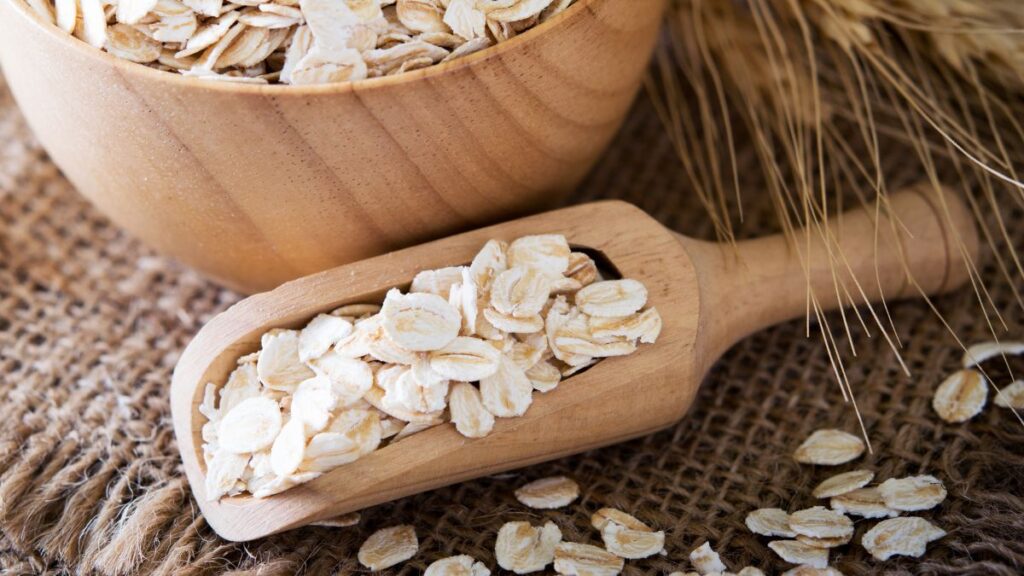
Amish households often start their day with hearty oats, and it’s easy to see why. Oats are packed with fiber, which helps support healthy digestion and keeps you feeling full for longer.
Oats are also rich in antioxidants and can help lower cholesterol levels. You can enjoy them as oatmeal, in baked goods, or even added to smoothies for an extra nutritional boost. This versatile grain is both nourishing and delicious.
Apple Cider Vinegar
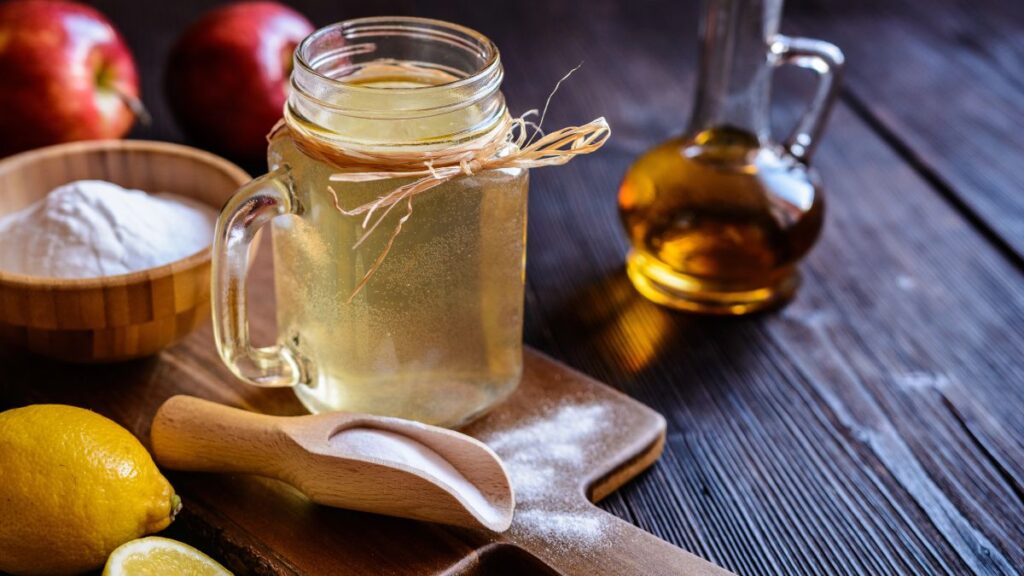
Apple cider vinegar is a powerful Amish superfood known for its numerous health benefits. It helps regulate blood sugar levels, aids in digestion and may support weight loss. The Amish often use it as a natural remedy for colds and sore throats.
Apple cider vinegar is a potent and health-boosting ingredient that can be incorporated into your diet by adding it to salad dressings or mixing it with water and honey for a refreshing drink.
Elderberries
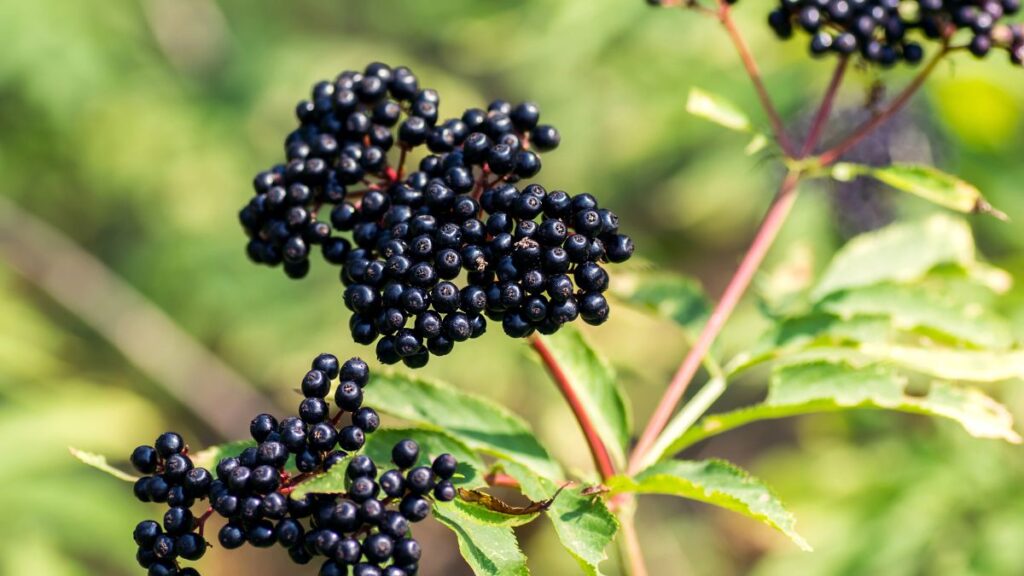
Elderberries are prized in Amish communities for their immune-boosting properties. They’re packed with antioxidants and vitamins, especially vitamin C, which helps support the immune system.
Elderberries are often made into syrups, jams, and teas to fend off colds and flu. Not only do they taste great, but they’re also a natural way to stay healthy during cold seasons. Adding elderberries to your kitchen can help keep you and your family well.
Spelt Flour
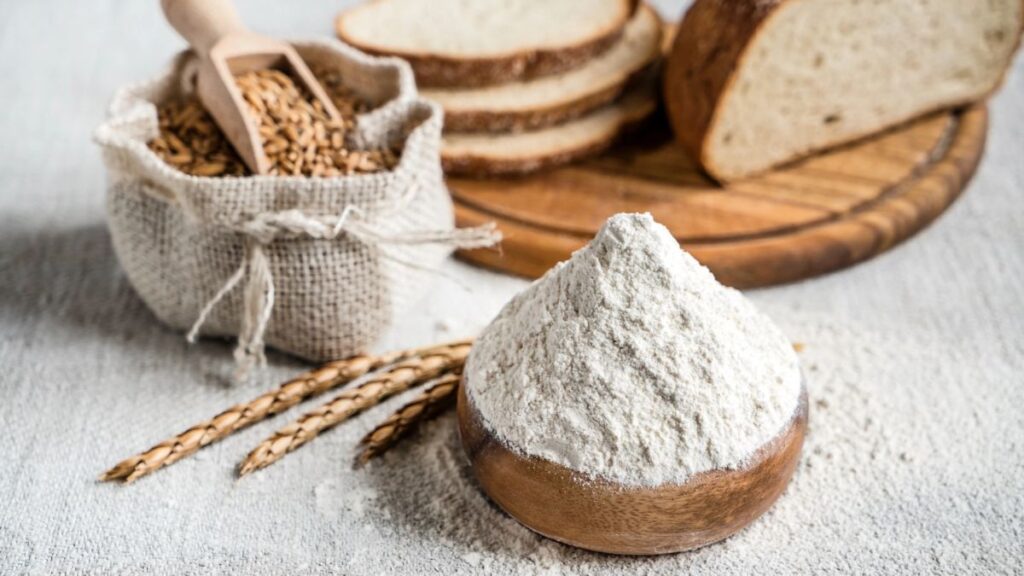
Spelt flour is an ancient grain that the Amish commonly use in baking. It’s more nutritious than regular wheat flour and is rich in fiber, protein, and essential minerals. Spelt flour is easier to digest than modern wheat, making it a great alternative for those with sensitivities.
You can use spelt flour in breads, pancakes, or pastries for a wholesome, nutty flavor. It’s a fantastic superfood to incorporate into your baking.
Butter
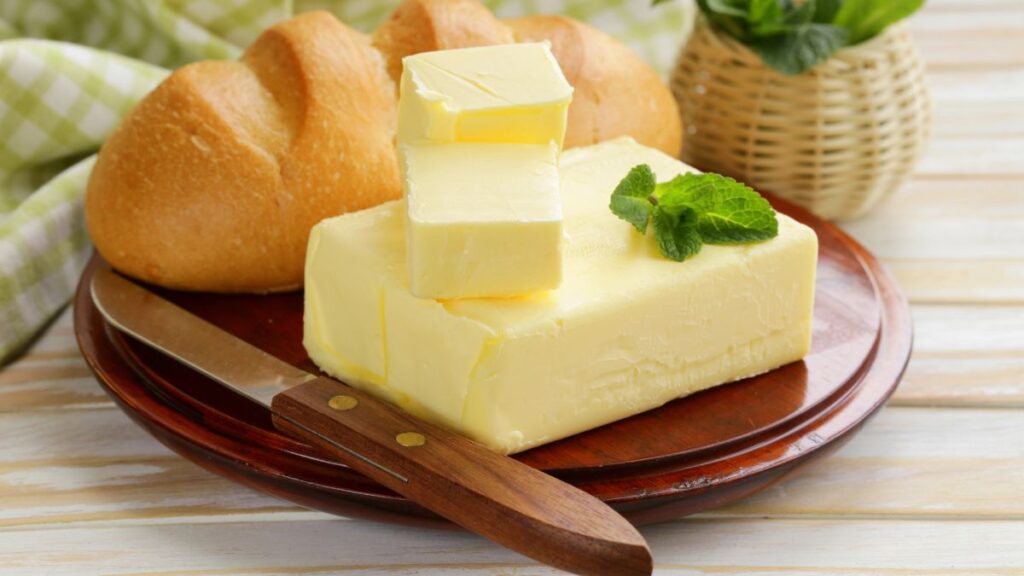
While butter may not seem like a typical superfood, the Amish know its value when it’s made naturally. Amish butter is often made from raw, grass-fed cow’s milk, which is rich in healthy fats and vitamins, especially vitamin A.
It’s a great source of energy and can enhance the flavor of many dishes. Unlike processed margarine, natural butter is a wholesome option that adds both taste and nutrition to your meals.
Beets
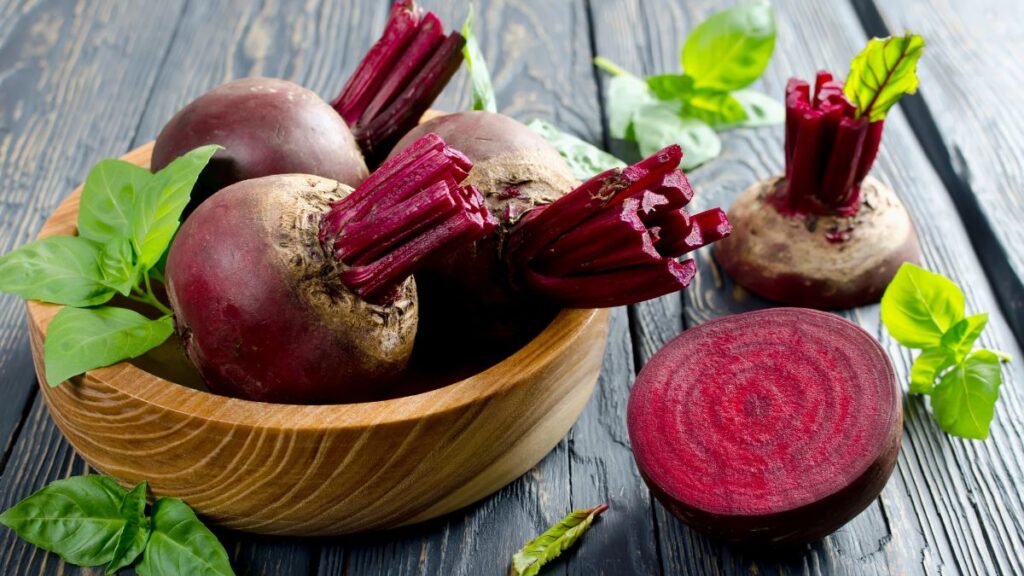
Beets are a favorite vegetable in Amish gardens, and for good reason. They’re full of essential nutrients like folate, potassium, and fiber. Beets also help improve blood flow and lower blood pressure.
You can enjoy beets roasted, in salads, or as a juice for a powerful health boost. Their sweet, earthy flavor pairs well with a variety of dishes, making them a versatile and nutritious addition to your kitchen.
Bone Broth
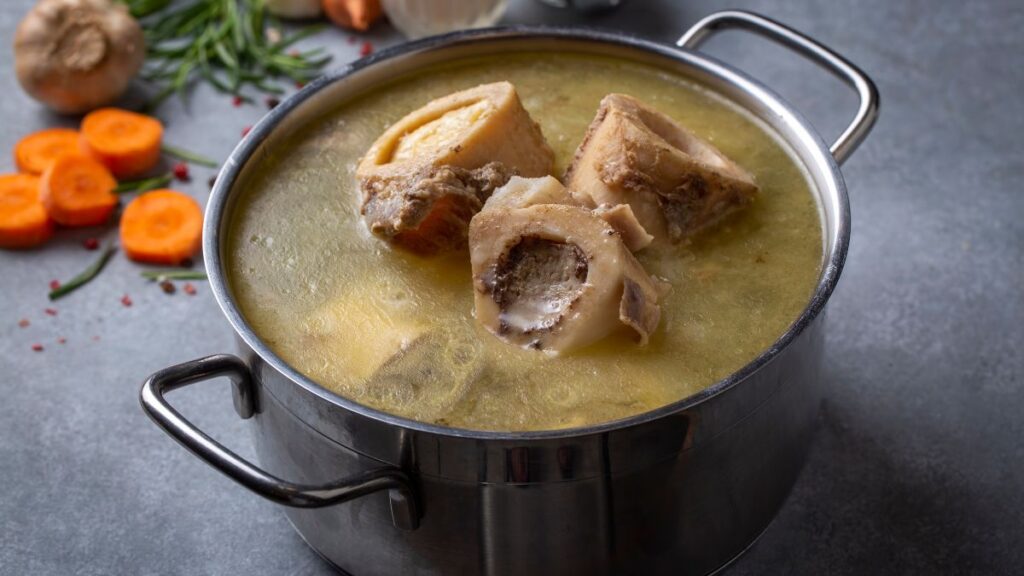
The Amish frequently make bone broth from the bones of farm-raised animals, creating a nutrient-dense, healing food. Bone broth is rich in collagen, amino acids, and minerals like calcium and magnesium.
It’s great for supporting joint health, digestion, and even skin health. You can use bone broth as a base for soups, stews, or even sip it on its own for a nourishing treat. It’s a superfood that adds depth and nutrition to many meals.
Kefir
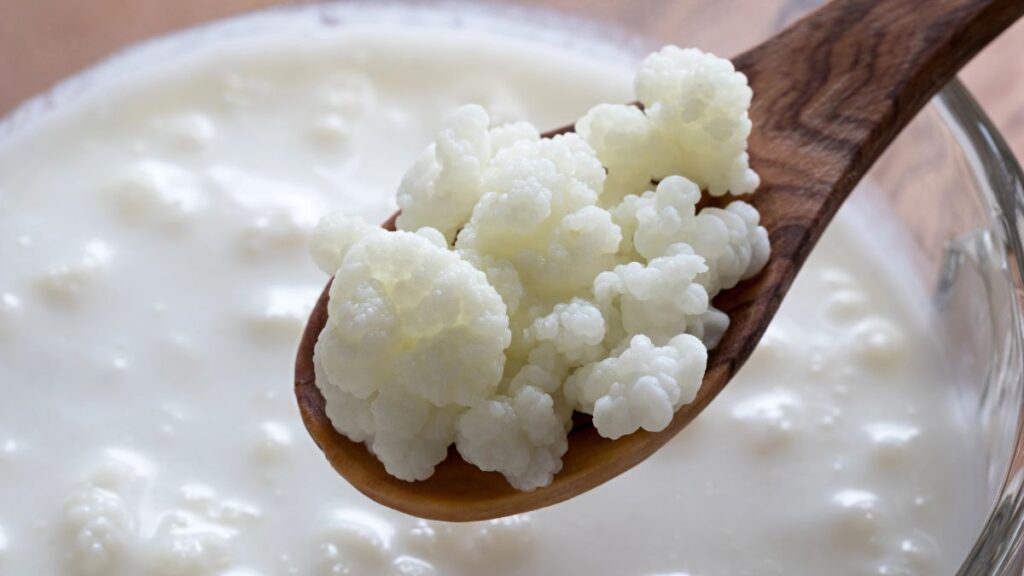
Kefir is a fermented dairy product that the Amish enjoy for its probiotic benefits. It’s packed with beneficial bacteria that support gut health and digestion. Kefir is also a good source of calcium and protein, making it a nutritious addition to your diet.
You can drink kefir on its own or add it to smoothies for a creamy texture. Its tangy flavor and health benefits make it a great choice for improving your overall well-being.
Blueberries
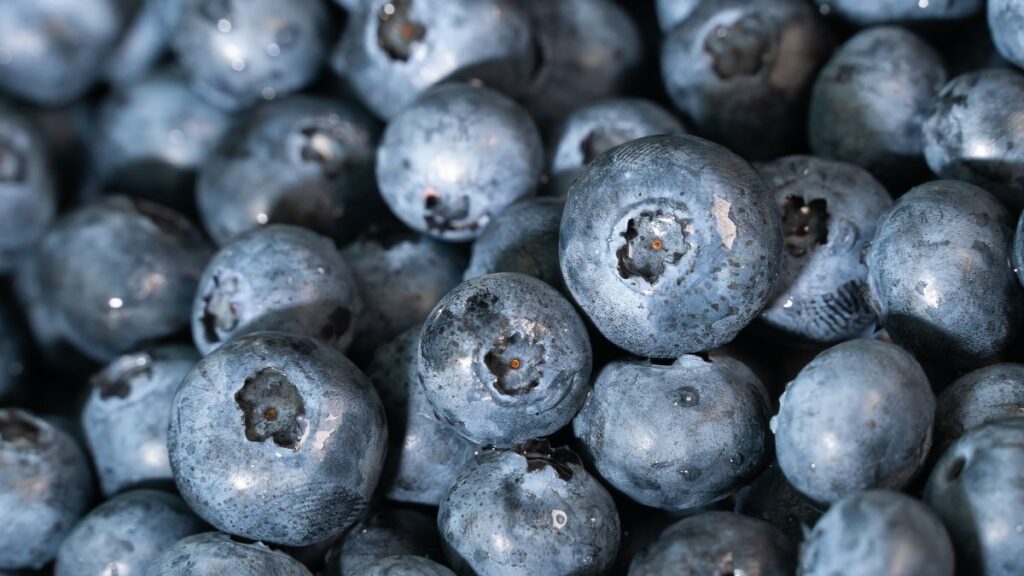
Blueberries are often grown in Amish gardens and are considered a powerhouse of nutrition. They’re rich in antioxidants, vitamins, and fiber, making them excellent for heart health and cognitive function.
Blueberries can be eaten fresh, added to yogurt or oatmeal, or used in baking. Their sweet taste and health benefits make them an easy and delicious superfood to include in your diet.
Cabbage
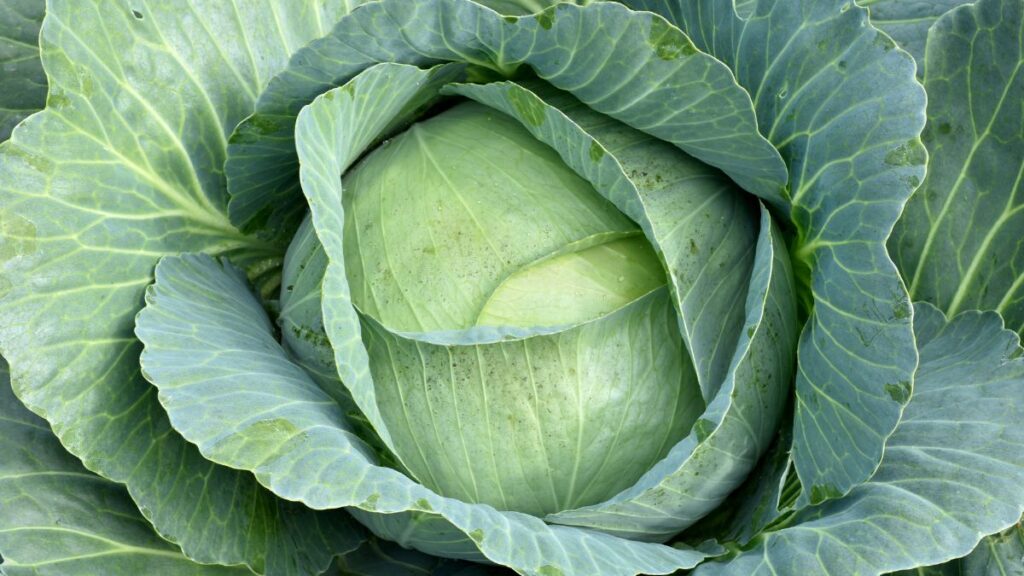
Cabbage is another staple in Amish cooking and is known for its incredible health benefits. It’s loaded with fiber, vitamins C and K, and antioxidants that promote digestive health and reduce inflammation.
Cabbage can be used in salads, soups or fermented to make sauerkraut. Its versatility and nutrient profile make it a fantastic addition to your meals. Plus, it’s easy to grow and store, making it a practical superfood.
Raw Milk
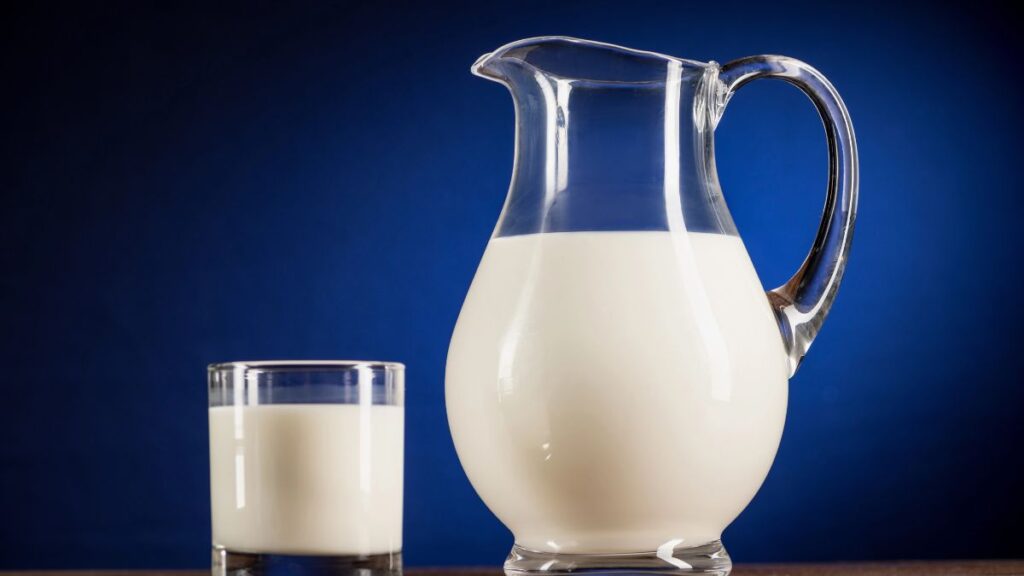
Amish communities often use raw milk, which is unpasteurized and comes straight from cows. It’s rich in vitamins, enzymes, and beneficial bacteria that support gut health. Raw milk is also higher in calcium and other minerals compared to processed milk.
While it may not be available everywhere, raw milk is a nutrient-dense option that the Amish have relied on for generations. Whether used in cooking or enjoyed on its own, it offers numerous health benefits.
Lard
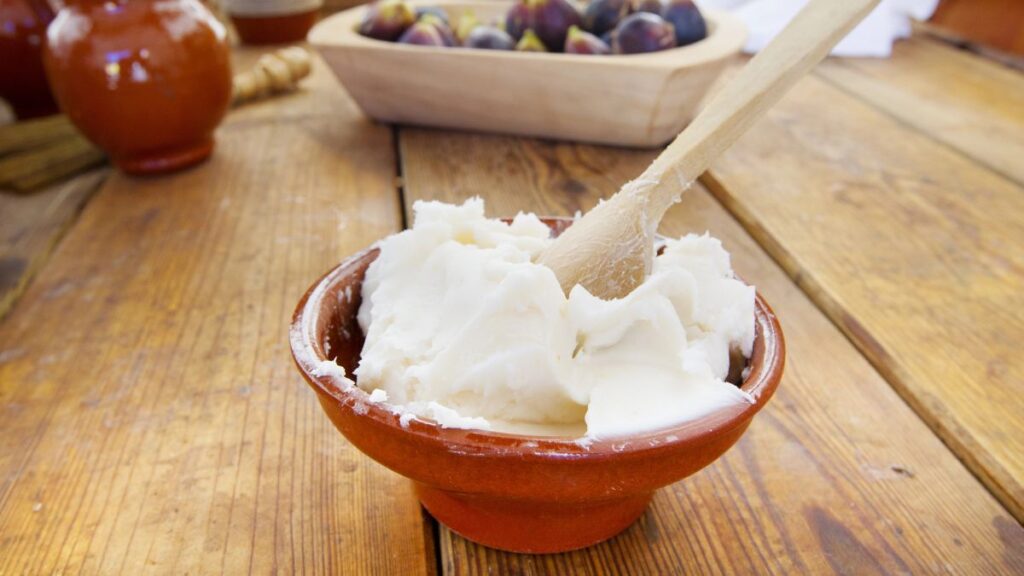
Lard, often made from pigs raised on Amish farms, is a traditional fat used in cooking. Unlike processed oils, lard from pasture-raised animals is rich in healthy fats and vitamin D. It’s stable at high temperatures, making it perfect for frying and baking.
Lard has been a staple in Amish kitchens for generations. It adds a rich flavor to many dishes. Incorporating natural lard into your diet can be a healthy alternative to processed fats.
Garlic
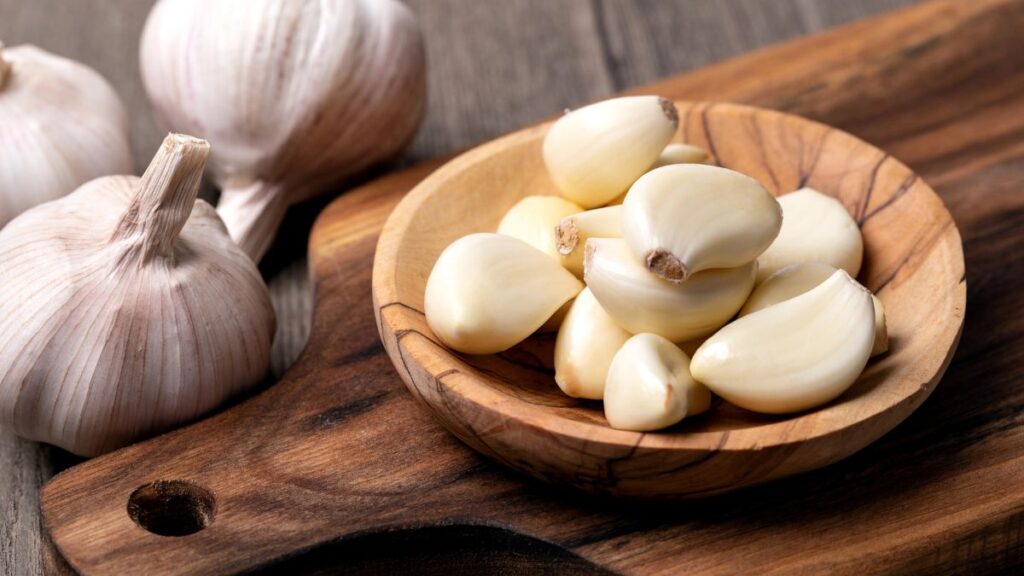
Garlic is a superfood that the Amish use regularly for its medicinal properties. It’s packed with antioxidants, has anti-inflammatory effects, and may help lower blood pressure and cholesterol levels.
Garlic can be added to almost any savory dish, giving meals a flavorful and health-boosting punch. Whether raw, roasted, or used in cooking, garlic is a must-have superfood for both flavor and wellness.
Maple Syrup
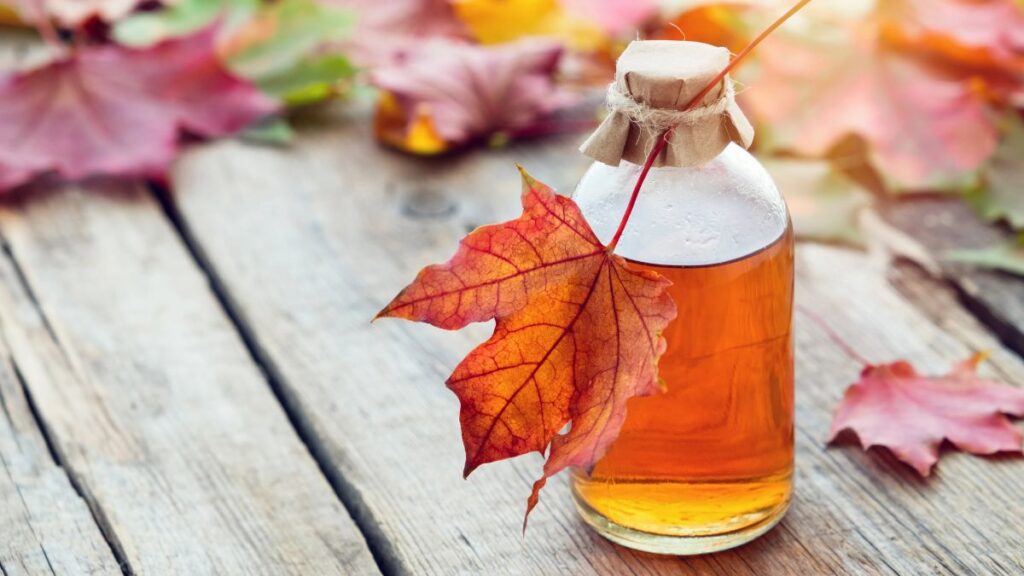
The Amish often produce their own maple syrup, a natural sweetener rich in minerals like manganese and zinc. Unlike refined sugar, maple syrup provides nutrients along with its sweetness.
Maple syrup is a great alternative to processed sugars and can be used in baking, pancakes, and even savory dishes. With its natural sweetness and health benefits, it's a delicious superfood to keep in your kitchen.
Leave a Reply