
Ever confidently ordered something at a restaurant only to have the waiter smirk because you butchered the name? You’re not alone. Some of our favorite foods come with names that sound like verbal gymnastics routines.
Want to Save This Recipe?
Enter your email & I'll send it to your inbox. Plus, get great new recipes from me every week!
By submitting this form, you consent to receive emails from Blue's Best Life.
But behind every mispronunciation is a story, often one involving old-world languages, colonial chaos, and a few Americans who just gave up halfway through the correct pronunciation. Let’s dig into the delicious drama behind twelve foods that have been tongue-tied for centuries.
Croissant

Ah, the “cwa-sahnt,” or as most of us say in line at Dunkin’, “cruh-sant.” This flaky French pastry was born in Vienna before the French made it fabulous. Austrians baked the original crescent-shaped kipferl to celebrate victory over the Ottoman Empire, the shape symbolized a defeated Turkish crescent moon.
The French then swaggered in, added more butter than legally necessary, and perfected the art of lamination. Somewhere between the bakery and your mouth, the name got mangled. Blame our inability to whisper like a Parisian, we chew our vowels the way we chew the pastry.
Bruschetta
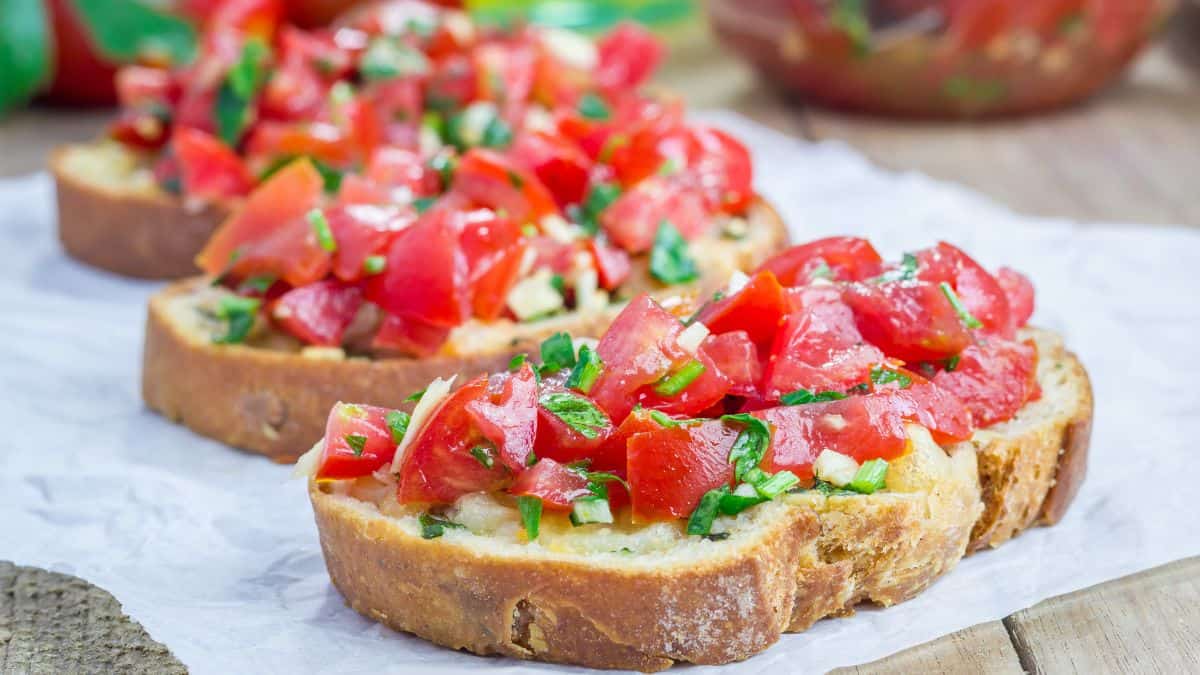
The Italian word “bruschetta” has caused lifelong panic at Italian restaurants. Americans tend to say “broo-shetta,” but Italians insist it’s “broo-sketta.” The “ch” is hard, like a punch to the ego of anyone who’s ever been corrected mid-order.
This simple grilled bread topped with tomatoes, garlic, and olive oil was originally a peasant snack, a way to use up stale bread without admitting it was stale. Farmers rubbed the bread with garlic and drenched it in oil, creating the most elite “oops, dinner’s late” meal ever. Then came the name confusion, proving once again that even carbs can cause international tension.
Pho

Vietnam’s national soup is pronounced “fuh,” not “foe,” which is an unfair trick. French colonial influence likely shaped its name, since “feu” means fire in French, fitting for a dish that can make your eyes water and your soul sweat. But when pho hit Western menus, we panicked and rhymed it with “go.”
The broth simmers for hours, and the name confusion’s been simmering ever since. The irony? No one in Vietnam cares how you say it as long as you finish the bowl. We, however, will continue arguing about it between sips of Sriracha-spiked broth.
Gyro
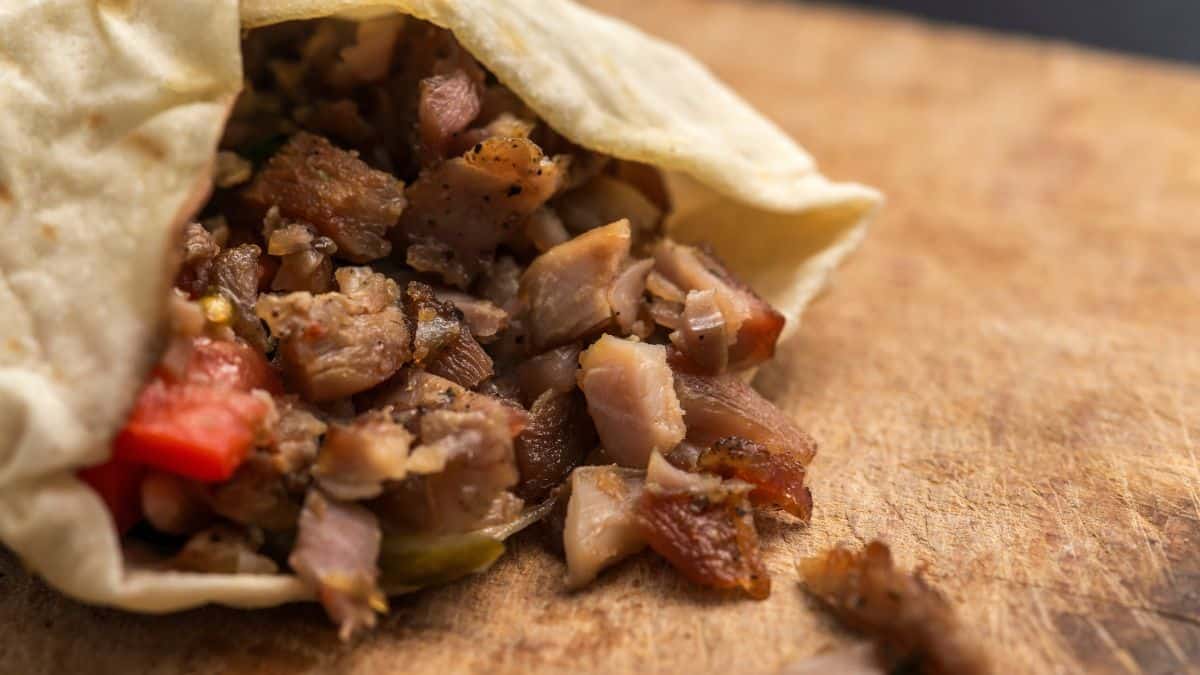
If you’ve ever stood at a food truck debating whether it’s “jee-ro,” “guy-ro,” or “yee-ro,” you’ve lived the full gyro experience. The Greek word means “turn,” as in that glorious spinning cone of meat that hypnotizes late-night eaters everywhere. When Greek immigrants brought gyros to America in the 1970s, pronunciation chaos ensued.
Chicago delis tried teaching the proper “yee-ro,” but we were too busy drooling over tzatziki sauce to care. Somewhere between the pita and the hangover cure, we decided “guy-ro” was good enough. Zeus probably sighs whenever someone says it wrong, but he’ll take it if you add extra onions.
Quinoa

Quinoa, pronounced “keen-wah,” has been humbling health nuts for years. Native to the Andes, this “ancient grain” (technically a seed) was sacred to the Inca Empire long before it became the $12 side dish at your local salad bar. When Spanish colonizers banned it for being too pagan, quinoa went underground, literally.
Centuries later, it resurfaced on Whole Foods shelves with a vengeance and a name that mocked anyone who tried to say it. Every time someone calls it “kwin-oh-ah,” somewhere an Incan farmer rolls his eyes. It’s the revenge of the superfood, one tongue-twister at a time.
Gnocchi

Few words strike more fear into diners' hearts than “gnocchi.” It’s not “guh-nock-ee” or “nuh-kee.” It’s “nyo-kee,” which sounds like the sound you make when trying to swallow one whole. These pillowy potato dumplings originated in Northern Italy, where grandmothers have shaped them with fork tines since before forks were cool.
The dish’s soft texture and rich sauces have seduced generations, but the name’s been mangled from Manhattan to Milwaukee. Italians pronounce it effortlessly, while we stammer like we’re reading IKEA instructions. Still, even when you say it wrong, it’s delicious, like edible comfort shaped by angels with floury hands.
Worcestershire Sauce

The name “Worcestershire” feels like a cruel spelling bee prank. Invented in the English town of Worcester (pronounced “WUSS-ter”), the sauce got its extra syllables for reasons no one fully understands. Two chemists, Lea and Perrins, tried to recreate an Indian sauce but botched it so badly they shelved it.
Months later, they rediscovered the bottle, now fermented into something magical. They bottled it up and accidentally created a global staple. Today, we pour it on steaks while pretending we know how to pronounce it. Truth is, no one does, not even the British. Just mumble “Wuss-ter-shire” and pour with confidence.
Acai

The acai bowl looks innocent enough, but its pronunciation has ended friendships. It’s “ah-sigh-EE,” not “ah-kai,” no matter how many yoga instructors say otherwise. Harvested from the Amazon rainforest, acai berries were once a staple food for Indigenous tribes. Then the West discovered them, blended them with coconut flakes, and priced them like they’re made of sapphires.
Now the name is a linguistic smoothie no one can agree on. Even worse, we pay fifteen dollars for something that’s 80% banana. The irony is as thick as the puree itself, beautiful, misunderstood, and slightly overpriced.
Edamame
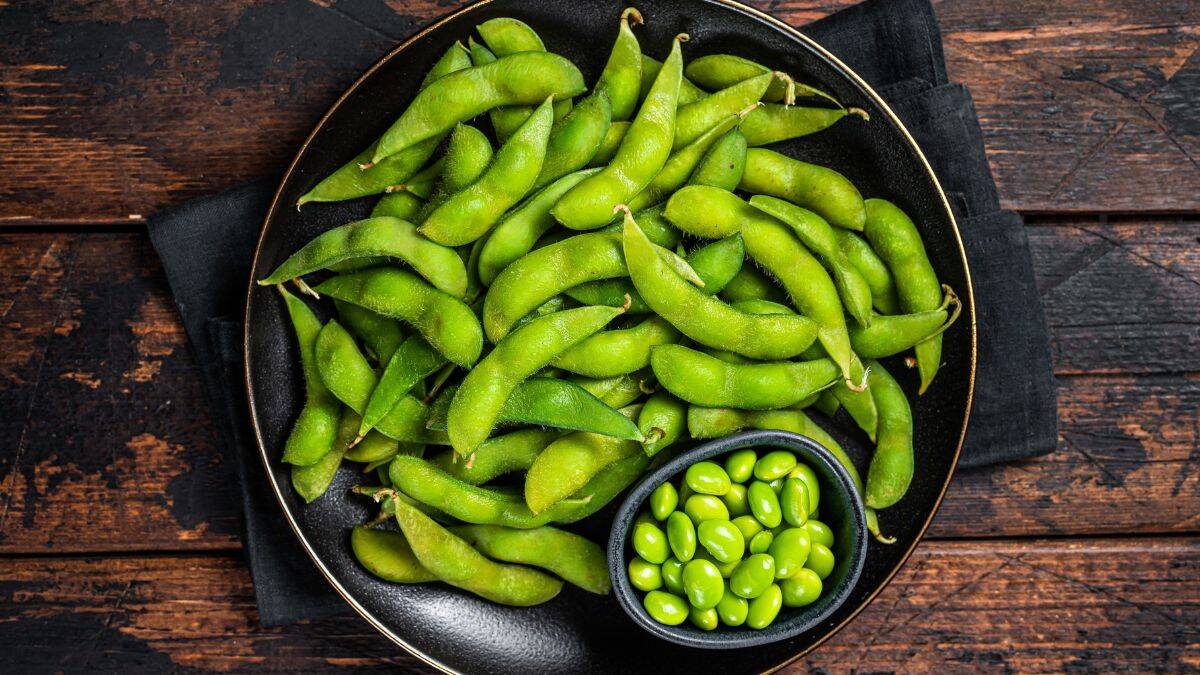
These soybeans have been tripping up sushi-goers since the ’90s. It's “eh-dah-MAH-may,” not “ed-uh-mamey.” The name translates to “beans on a branch” in Japanese because that’s literally what they are: steamed green pods still clinging to their stems. Centuries ago, Japanese monks snacked on them during long meditations, proving that even enlightenment requires a protein hit.
When edamame hit Western menus, we mangled the pronunciation with the enthusiasm of people who had just discovered chopsticks. But no matter how you say it, it’s still the snack that makes you feel healthy even when you just ate forty pods in silence.
Charcuterie

“Shar-koo-tuh-ree,” say it slowly, like you’re describing something scandalous. The French term originally referred to the art of curing meats, not the $80 Instagram board covered in grapes and crackers. Centuries ago, charcutiers were serious artisans who perfected sausages, pâtés, and terrines.
Fast forward to 2025, and we’re arranging salami roses next to pretzels from Target. The name survived, but the meaning evolved into “I have guests coming and anxiety.” Somewhere, a French butcher weeps softly into his prosciutto while Americans debate whether hummus counts as meat.
Espresso

It’s “espresso,” not “expresso,” no “x,” no excuses. The word comes from the Italian for “pressed out,” describing how hot water is forced through fine coffee grounds. In Italy, espresso is a sacred ritual, a quick, standing shot before work.
When the coffee craze hit America, we added pumpkin spice and mispronounced it into oblivion. Now even coffee chains have given up correcting people. Somewhere in Rome, a barista cringes every time a tourist asks for an “expresso to go.” It’s fast, yes, but not that kind of express.
Tzatziki

This Greek yogurt and cucumber sauce might be refreshing, but its name sounds like a sneeze in progress. It’s “tsaht-SEE-kee,” which feels like you’re starting a car. The sauce originated in the Ottoman Empire and spread across the Mediterranean like culinary wildfire. Greeks perfected it, pairing it with lamb, pita, and basically anything edible.
But when it hit American menus, chaos ensued. People stared at the word like it was encrypted. Some gave up entirely and just said, “that white sauce.” Still, tzatziki doesn’t hold grudges, it just cools your tongue while mocking your pronunciation.
If you’ve ever had trouble ordering one of these, congratulations. You’re part of a global club of well-meaning food lovers with messy mouths.
Language evolves, accents clash, and sometimes your croissant sounds like a truck part. That’s half the fun of eating across cultures: we may not always get the name right, but at least we show up hungry.




Leave a Reply