
Reading food labels can feel tricky, especially when they’re packed with unfamiliar terms and confusing claims. You might find yourself wondering if a product is truly healthy or just cleverly marketed.
Want to Save This Recipe?
Enter your email & I'll send it to your inbox. Plus, get great new recipes from me every week!
By submitting this form, you consent to receive emails from Blue's Best Life.
Knowing how to decode these labels helps you make better choices for your health and your family’s well-being.
Check the serving size carefully

You might think a package contains one serving, but the label could list multiple servings. Always look at the serving size first to understand the nutritional info correctly.
Serving sizes are based on typical consumption, not the entire package. If you eat more than one serving, you need to multiply the nutrition numbers accordingly.
This helps you avoid underestimating calories, sugar, or fat. Being aware of serving sizes gives you better control over your food choices.
Identify hidden sugars like maltose

You might not realize maltose is sugar because it isn't always labeled clearly. It often appears under different names like malt syrup or barley malt.
Checking ingredient lists carefully helps you spot these hidden sugars. If you see terms ending in "-ose," like maltose or dextrose, that's a clue you're dealing with sugar.
Being aware of these sugar variants can help you make better choices, especially if you’re watching your sugar intake. Knowing what to look for makes decoding food labels easier and more effective.
Understand "natural flavors" ambiguity

When you see "natural flavors" on a label, it means the flavor comes from a natural source like plants or animals. But the exact ingredients aren’t listed, so you don’t know what’s really inside.
These flavors can include anything from essential oils to fermented materials. That means “natural” doesn’t always mean simple or healthy.
If you have allergies or dietary restrictions, it's best to be cautious. You can contact the manufacturer to ask for more details if needed.
Look for preservatives like sodium benzoate
When you check food labels, keep an eye out for preservatives like sodium benzoate. This additive helps extend shelf life and prevent spoilage.
You might see it listed under names like E211. It’s commonly found in beverages, salad dressings, and sauces.
Knowing about preservatives can help you decide if a product fits your preferences. If you want fewer additives, choosing items without these chemicals is a good idea.
Recognize additives such as carrageenan

When you see carrageenan on a food label, it’s an additive derived from seaweed. It’s often used to thicken or stabilize products like dairy and plant-based milk.
Knowing this helps you understand why some foods have a creamy texture without extra fat. Some people prefer to avoid it due to potential digestive issues.
If you’re curious or sensitive, checking for carrageenan can guide your choices better. It’s one of many additives worth spotting so you know exactly what you’re eating.
Decode saturated vs. trans fats
You’ll find both saturated and trans fats listed on food labels, but they are different types of fats. Saturated fats come from animal products and some plant oils. They can raise your bad cholesterol if eaten in excess.
Trans fats are often found in processed foods made with partially hydrogenated oils. These fats can increase bad cholesterol and lower good cholesterol, which is not ideal for your heart.
Look for “partially hydrogenated oils” in the ingredients to spot trans fats. Even if the label says 0 grams trans fat, small amounts may still be present if this ingredient is listed. Try to limit both fats to keep your diet heart-friendly.
Spot misleading claims like "zero cholesterol"
When you see "zero cholesterol" on a label, remember that it usually applies only to the product itself. This doesn’t mean the food is automatically healthy or low in fat.
Some plant-based oils, for example, naturally contain no cholesterol but can still be high in calories.
Also, keep in mind that your body produces cholesterol on its own, so "zero cholesterol" isn't always a health guarantee.
Look beyond these claims and check the full nutrition facts to understand what you’re really getting.
Know the difference between organic and non-GMO

You might see “organic” and “non-GMO” labels on food and wonder if they mean the same thing. They don’t. Organic foods are grown without synthetic pesticides, fertilizers, or GMOs.
Non-GMO means the food was made without genetically modified organisms, but it could still use pesticides or synthetic chemicals.
If you want to avoid GMOs, look for the non-GMO label. If you want food grown more naturally, choose organic. Understanding this helps you make choices that match your values and needs.
Read ingredient order from highest to lowest
When you look at a food label, check the ingredients list closely. The ingredients are always listed in order by weight, from the most to the least.
This means the first few ingredients make up the biggest part of the product. If sugar is near the top, for example, that product has a lot of sugar.
Knowing this helps you make better choices. You can spot hidden sugars, fats, or other ingredients that might affect your diet.
Watch out for artificial sweeteners
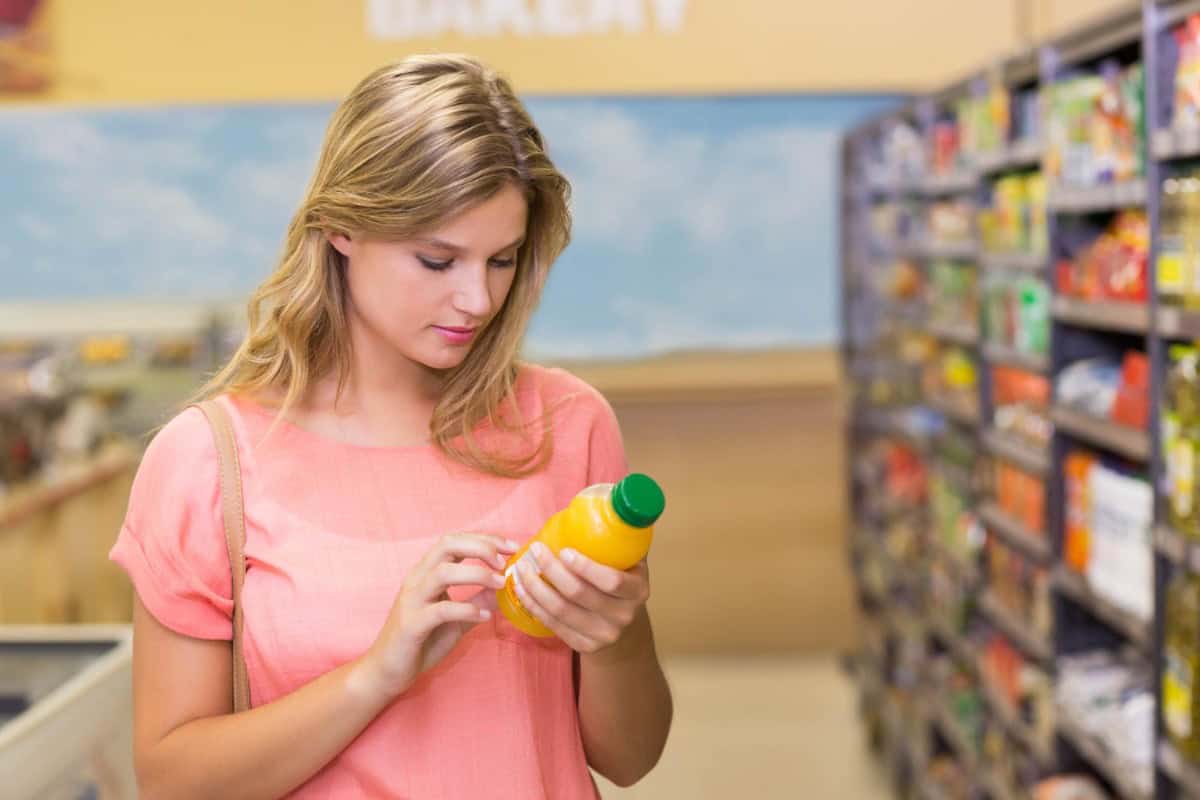
When checking food labels, be on the lookout for artificial sweeteners like aspartame, sucralose, and saccharin. These are often added to reduce sugar content while keeping sweetness.
You might find them in diet sodas, sugar-free snacks, and even some yogurts. Knowing their names helps you decide if you want to include or avoid them in your diet.
Some people prefer natural sweeteners, while others use artificial ones to cut calories. Reading labels carefully gives you control over what you consume.
Leave a Reply