
Vegetables are a vital part of any healthy diet, but not all vegetables are created equal. Some are packed with nutrients that offer a range of health benefits, while others might not provide as much value.
Want to Save This Recipe?
Enter your email & I'll send it to your inbox. Plus, get great new recipes from me every week!
By submitting this form, you consent to receive emails from Blue's Best Life.
Eating the right vegetables regularly can boost your immune system, improve digestion, and even reduce the risk of chronic diseases. However, some popular vegetables don’t offer as many health benefits as you might think.
Vegetables You Should Eat Regularly: Spinach
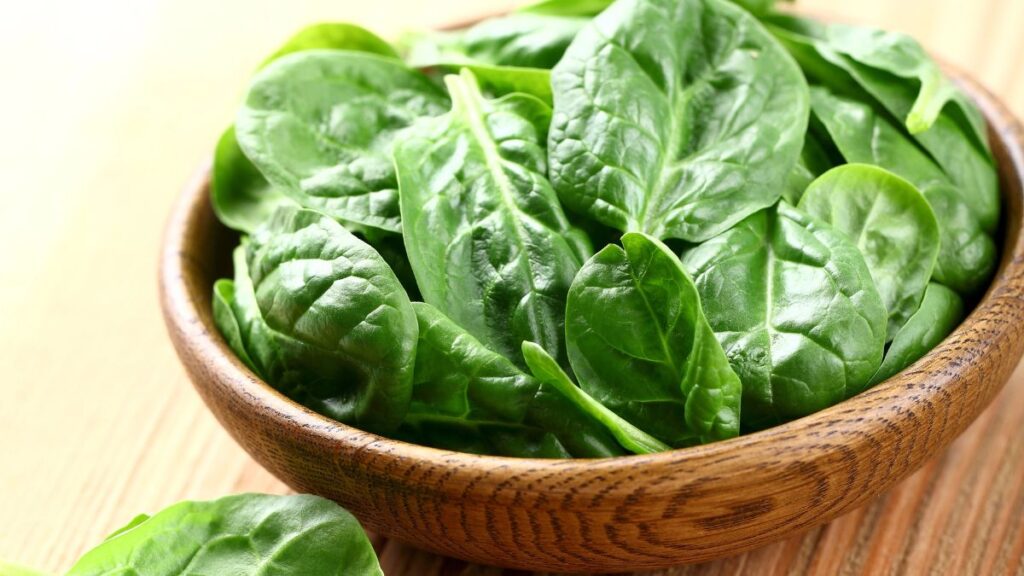
Spinach is one of the most nutrient-dense vegetables you can eat. It's packed with vitamins A, C, and K, as well as iron, magnesium, and antioxidants. Eating spinach regularly can help improve eye health, lower blood pressure, and boost your immune system.
It's also low in calories, making it a great addition to salads, smoothies, and sautés. Whether you eat it raw or cooked, spinach is a must for a balanced diet.
Broccoli
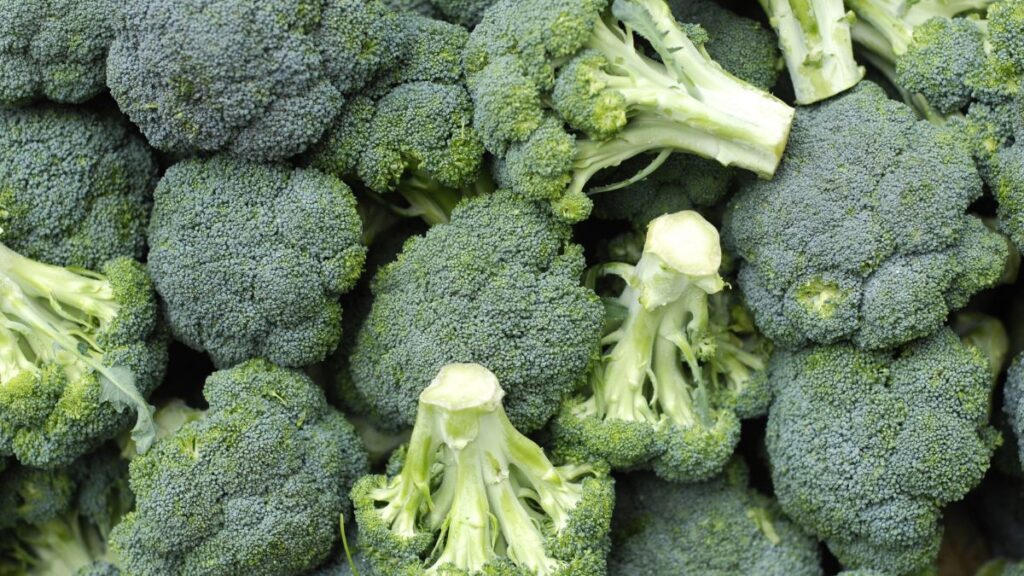
Broccoli is known for its powerful health benefits, especially when it comes to preventing diseases. Rich in vitamins C and K, fiber, and antioxidants, broccoli supports heart health, aids digestion, and may help reduce the risk of certain cancers.
It's also an excellent vegetable for boosting your immune system. Steamed, roasted, or added to stir-fries, broccoli is a versatile veggie that you should include in your meals regularly.
Carrots

Carrots are famous for their high levels of beta-carotene, which the body converts into vitamin A. This nutrient is essential for good vision, skin health, and a strong immune system. Carrots are also rich in fiber, helping with digestion and keeping you feeling full longer.
Whether you eat them raw, roasted or blended into soups, carrots are a crunchy, sweet vegetable that should be part of your regular diet.
Sweet Potatoes

Sweet potatoes are loaded with vitamins, especially vitamin A, fiber, potassium, and antioxidants. Their natural sweetness makes them a great substitute for regular potatoes, and they offer far more nutrients.
Sweet potatoes can improve blood sugar levels, support gut health, and provide long-lasting energy. Baked, mashed, or roasted sweet potatoes are a delicious and nutritious addition to any meal.
Bell Peppers

Bell peppers, especially the red variety, are incredibly high in vitamin C—more than oranges! They also contain vitamins A, B6, and folate. Eating bell peppers regularly can support immune function, improve skin health, and help fight inflammation.
They add a vibrant color and sweet flavor to salads, stir-fries, and salsas, making them a tasty and healthful choice for daily consumption.
Kale
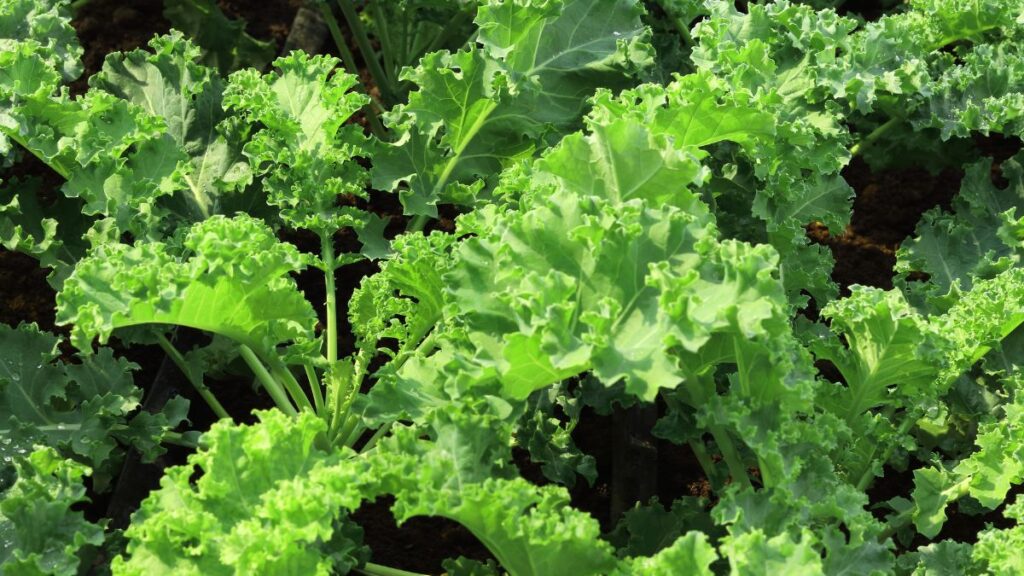
Kale is often called a superfood for a reason. It's loaded with vitamins A, C, and K, along with calcium, fiber, and antioxidants. Kale helps reduce cholesterol, supports bone health, and strengthens the immune system.
Whether you add it to smoothies, salads, or soups, kale provides a nutrient boost that’s hard to beat. Regular consumption of kale can help prevent chronic diseases and improve overall health.
Cauliflower

Cauliflower is a highly versatile vegetable that’s low in calories but high in nutrients. It's a great source of vitamins C, K, and B6, as well as fiber and folate. Cauliflower can help support weight loss, improve digestion, and reduce the risk of heart disease.
You can roast it, steam it, or even turn it into a low-carb alternative for rice and pizza crust. It’s a vegetable that can be enjoyed in various forms while delivering plenty of benefits.
Brussels Sprouts

Brussels sprouts are part of the cruciferous family, like broccoli and kale, and share many of the same health benefits. They're rich in fiber, vitamins C and K, and antioxidants that help fight inflammation and reduce the risk of cancer.
Roasted Brussels sprouts are especially delicious and provide a crunchy, flavorful addition to any meal. Eating them regularly can improve heart health and aid digestion.
Garlic
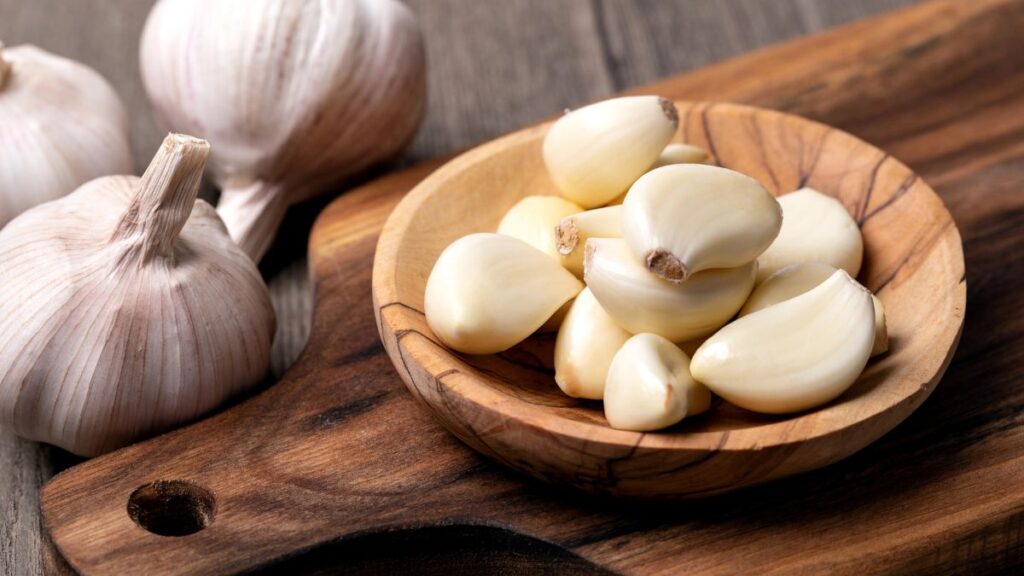
Garlic is more than just a flavor booster; it’s a vegetable with powerful health benefits. Known for its ability to boost the immune system, garlic also helps reduce blood pressure and lower cholesterol levels.
It's packed with antioxidants and has anti-inflammatory properties, making it a must for promoting overall health. Whether raw or cooked, adding garlic to your dishes regularly is a great way to improve your health.
Beets
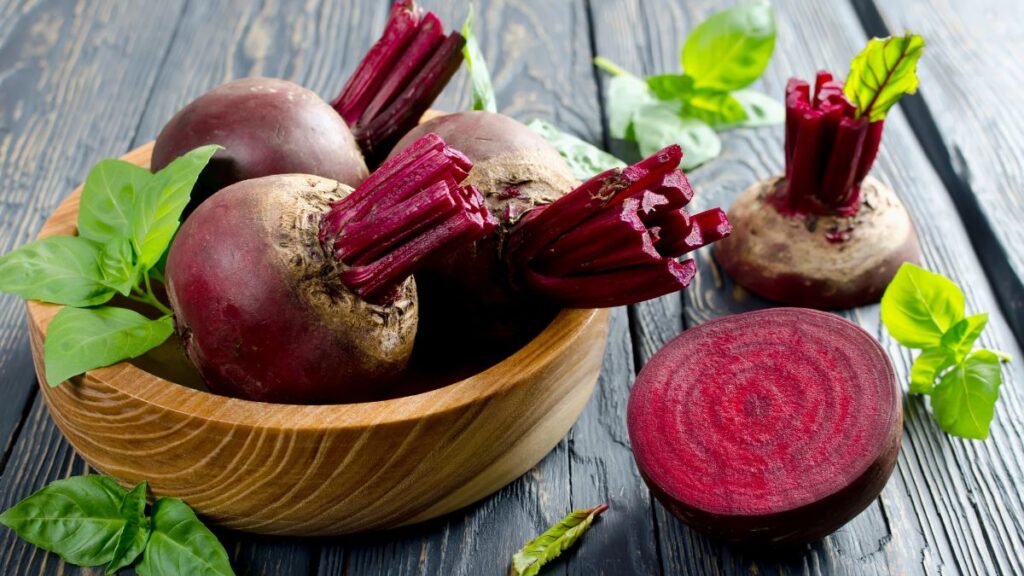
Beets are packed with essential nutrients, including folate, manganese, and potassium. They are especially good for improving blood flow and lowering blood pressure, thanks to their high nitrate content.
Beets also support liver health and help fight inflammation in the body. Roasted, steamed, or juiced, beets are a vibrant, nutrient-dense vegetable that should be eaten regularly.
Vegetables You Can Skip or Eat Less Frequently: Iceberg Lettuce

Iceberg lettuce is often used in salads and sandwiches, but it doesn’t offer much in terms of nutrition. It’s mostly water, with very few vitamins or minerals compared to darker leafy greens like spinach or kale.
While it can add a refreshing crunch to your meal, it's not a vegetable that provides significant health benefits. If you're looking for nutrient-dense greens, opt for romaine, arugula, or spinach instead.
Celery

Celery is low in calories and water-rich, but it doesn’t offer a lot of nutritional value. While it's good for adding crunch to snacks and salads, it’s not a vegetable you need to eat frequently.
Celery contains some fiber and small amounts of vitamins, but overall, it doesn’t provide the same health benefits as other vegetables like broccoli or carrots. If you enjoy it, feel free to eat it, but don’t rely on it as a primary source of nutrients.
Cucumbers

Cucumbers are mostly water and don’t have a high nutrient content. While they can be refreshing and hydrating, cucumbers offer very little in terms of vitamins and minerals.
They’re often used in salads and as a crunchy snack, but they don’t provide as many health benefits as other vegetables. If you're looking for more nutrients, consider adding tomatoes or bell peppers to your salad instead.
Radishes
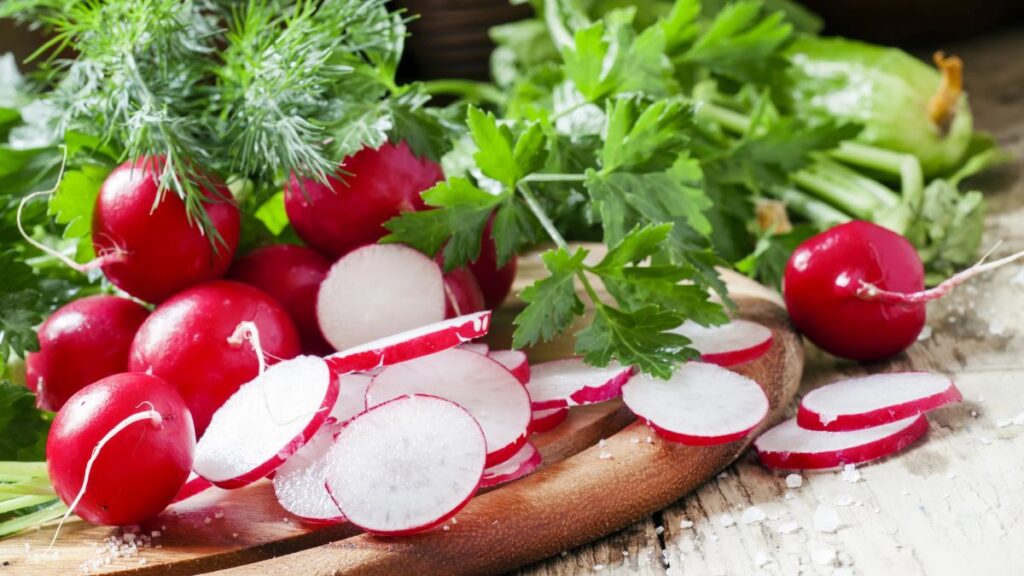
Radishes are often used as a garnish or in salads, but they aren’t very nutrient-dense. While they do contain small amounts of vitamin C and fiber, their overall nutritional value is fairly low compared to other vegetables.
Radishes can add a bit of spice and crunch to your meal, but they aren’t necessary for a healthy diet. You can enjoy them occasionally, but they’re not vegetables you need to eat on a regular basis.
White Potatoes

White potatoes are a staple in many diets, but they aren’t as nutrient-dense as other vegetables. While they do provide some potassium and fiber, they are high in starch and can cause blood sugar spikes.
Sweet potatoes or other root vegetables like carrots or beets offer more vitamins and minerals. If you eat potatoes regularly, try swapping them for more nutrient-rich options to get more benefits from your meals.
Leave a Reply