
Eating out can be a hit or miss experience. Sometimes, you walk into a place and get good vibes, but other times, something feels off even before you order.
Want to Save This Recipe?
Enter your email & I'll send it to your inbox. Plus, get great new recipes from me every week!
By submitting this form, you consent to receive emails from Blue's Best Life.
Knowing the signs that you might end up at a bad restaurant can save you time, money, and a disappointing meal.
The place is quiet during normal meal times

If you walk into a restaurant at lunchtime or dinner and it’s eerily quiet, that’s usually not a good sign. Most spots with solid food attract a crowd, especially during peak hours.
A lack of customers could mean the food isn’t worth the price or the service is slow. Sometimes, it’s just a new place trying to find its footing, but often, regular diners avoid it for a reason.
So if it feels like you’re on a deserted movie set instead of a restaurant, you might want to think twice before ordering.
Waitstaff barely makes eye contact or seems uninterested

When your server avoids eye contact, it’s usually not a good sign. It can mean they’re distracted, overwhelmed, or simply not invested in your experience.
If the waitstaff seems rushed or uninterested, it might affect how well they take your order or handle requests. You might get slower service or mistakes in your meal.
Menus look worn out and have stains or handwritten corrections

When you pick up a menu and notice it’s falling apart, that’s usually a bad sign. Worn edges, stains, or smudges can mean the restaurant doesn’t prioritize cleanliness or attention to detail.
If the menu looks like it’s been used by hundreds without care, you might worry about the kitchen’s standards too. A neat, clean menu often reflects better overall management.
Food takes forever to arrive after ordering

When you’ve placed your order and the waiting time feels way longer than it should, that’s usually a red flag. It often means the kitchen is either disorganized or understaffed.
You might start to wonder if they’re actually cooking your food fresh or just struggling to keep up. Long waits can also kill your appetite and mess with your overall dining mood.
Sometimes, kitchens get slammed, but if it happens every single time you visit, it’s probably not a one-off. Slow service is an annoying way to find out the place might not take your dining experience seriously.
The smell inside is off or overly chemical-like

When you walk into a restaurant and the smell hits you as strange or artificial, it’s usually a red flag. You want to smell fresh food, not a mix of harsh cleaners or synthetic scents.
Overpowering chemical smells can mean the place relies too much on strong air fresheners or masking agents. This often covers up odors from bad cleaning practices or food that isn’t fresh.
If the air smells like bleach or heavy perfume instead of something appetizing, it’s a sign they’re trying to hide something. A good restaurant tends to have a neutral or pleasant natural aroma.
Condiments are expired or look homemade in a bad way

If you notice the ketchup or mustard packets look old or dried out, that’s a red flag. Expired condiments can mean the restaurant isn’t keeping up with basic freshness standards.
Sometimes condiments come in jars or bottles labeled as homemade, but they don’t taste right. If the sauce smells off or looks lumpy, it might have been sitting around too long or prepared without care.
The dining area has sticky tables and grimy floors

If you sit down and notice the tables are sticky, that’s a red flag. It suggests they aren’t cleaned well between guests. You want to feel comfortable where you eat, not like you’re sticking to the furniture.
Grimy floors tell a similar story. When a restaurant doesn’t keep basic things clean, it usually means the kitchen might not be any better. Watch for dirt, spilled food, or trash lying around. It’s a pretty clear sign the place cares less about hygiene.
The chef seems rushed and stressed in open kitchens
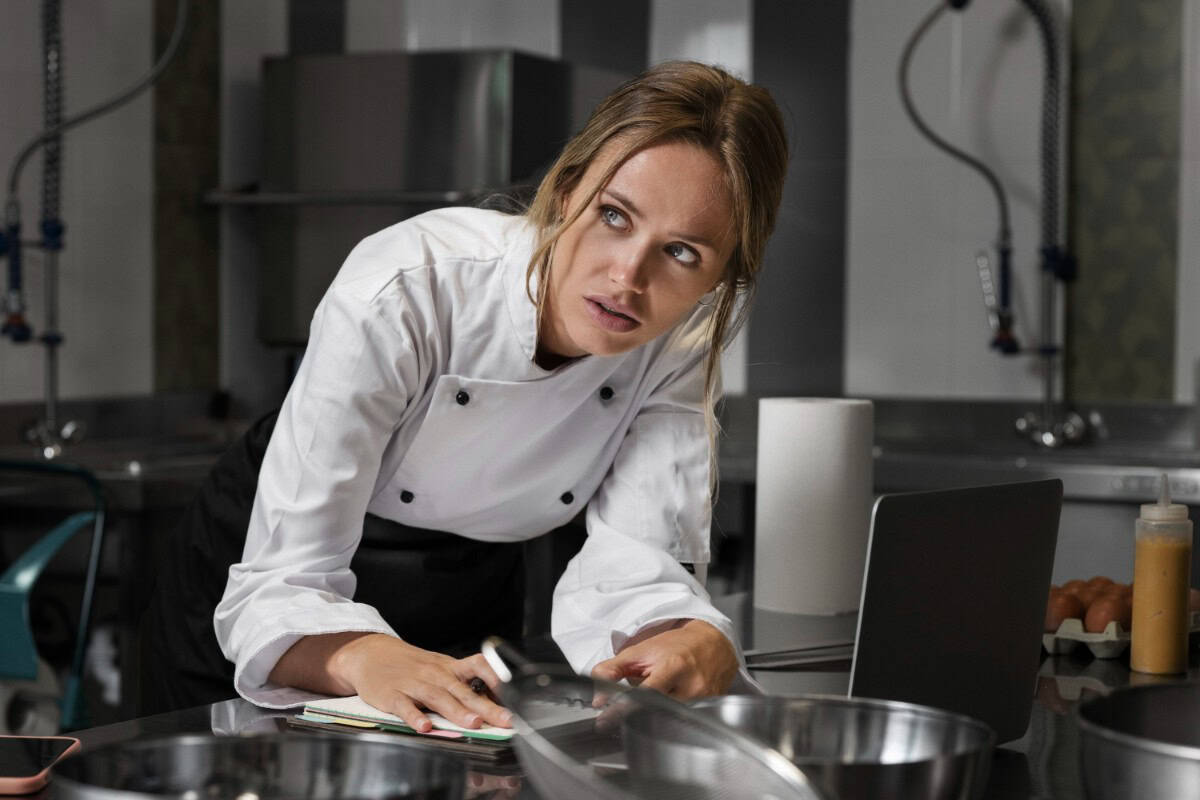
If the kitchen is visible and you notice the chef moving too fast or looking really stressed, that’s a red flag. It can mean they’re overwhelmed or not well-prepared for the service.
You might see mistakes piling up, like wrong orders or dishes left unfinished. When the chef’s rush affects the cooking, the food quality often suffers.
On the flip side, a calm and focused chef generally means the kitchen runs smoothly. So, keep an eye on their vibe during your visit. It’s a subtle way to gauge what’s happening behind the scenes.
Ingredients are visibly old or wilted on your plate

If you notice your salad leaves look limp or brown, that’s a red flag. Fresh ingredients should be crisp and vibrant, not soggy or dull.
Sometimes, veggies or herbs might even have dark spots or wilted edges. That usually means they’ve been sitting around too long before making it to your plate.
Old ingredients don’t just look bad—they can affect taste and texture. If your food feels off, it’s probably because some components aren’t fresh.
The restrooms are dirty or unkempt

You walk into the restroom and notice trash on the floor or overflowing bins. That’s not a great sign. It usually means the staff isn’t paying attention to basic cleanliness.
Dirty sinks, grimy mirrors, or stuck doors show a lack of care. If the place can’t keep the restroom in shape, what does that say about the kitchen?
A quick restroom check can save you from a disappointing meal. If it’s gross there, it’s probably best to find somewhere else to eat.
Leave a Reply